BANSHU HAMONO: Ono's Scissors and the Story of "101"
For more than 230 years, household blades and sickles from Ono, Hyogo, have been loved across Japan as "Ono scissors" and "Ono sickles." After our visit to this town in western Hyogo, there are two numbers we want to share: 73 and 101.

73: the state of the craft
After Seki, Sakai and Tsubame-Sanjo, Japan's three great blade-making regions, comes Banshu in Hyogo. Each region has its strengths; Ono's specialty is not kitchen knives, but scissors and sickles.

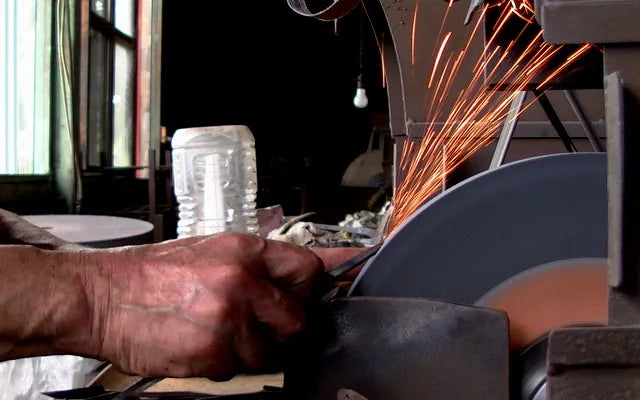
We first spoke with Mr. Tanaka, chairman of the Ono hardware wholesalers' cooperative that runs the BANSHU HAMONO brand and works for the town's blade industry as a whole. He told us a startling number: 73. It is the average age of Ono's blade craftsmen. Many are older still, and still working. At this rate, there may soon be no craftsmen left, and the region could cease to exist as a blade-making town. Of all the places we have visited, this was where we felt the crisis most keenly.


Bringing in a fresh perspective
The cooperative's answer was to bring in an outside view. It asked Shinya Kobayashi, an Ono-born designer, to produce the town's blades. Happy to help his hometown, he took on the job and rebranded Ono's blades as BANSHU HAMONO.

101: one percent of color
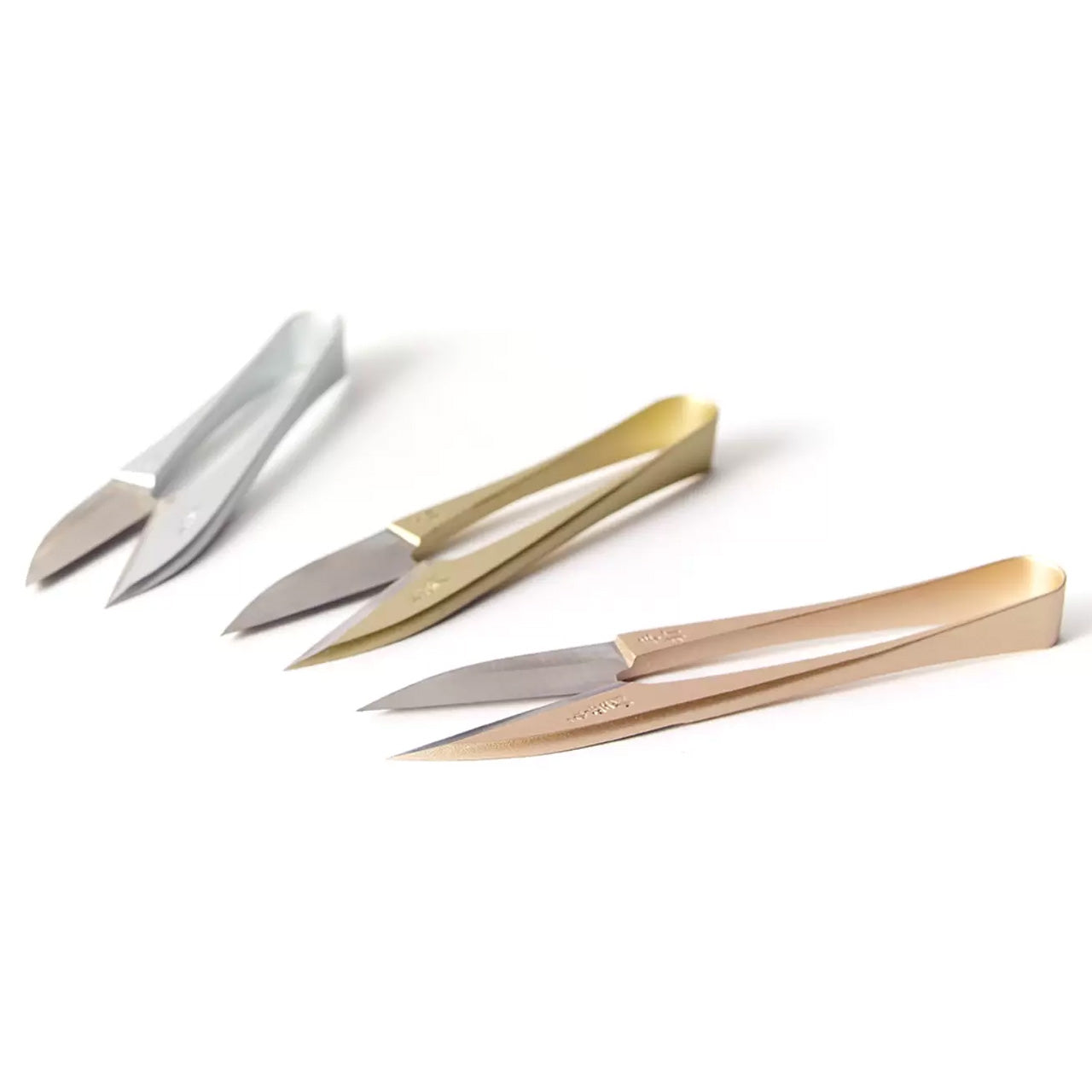
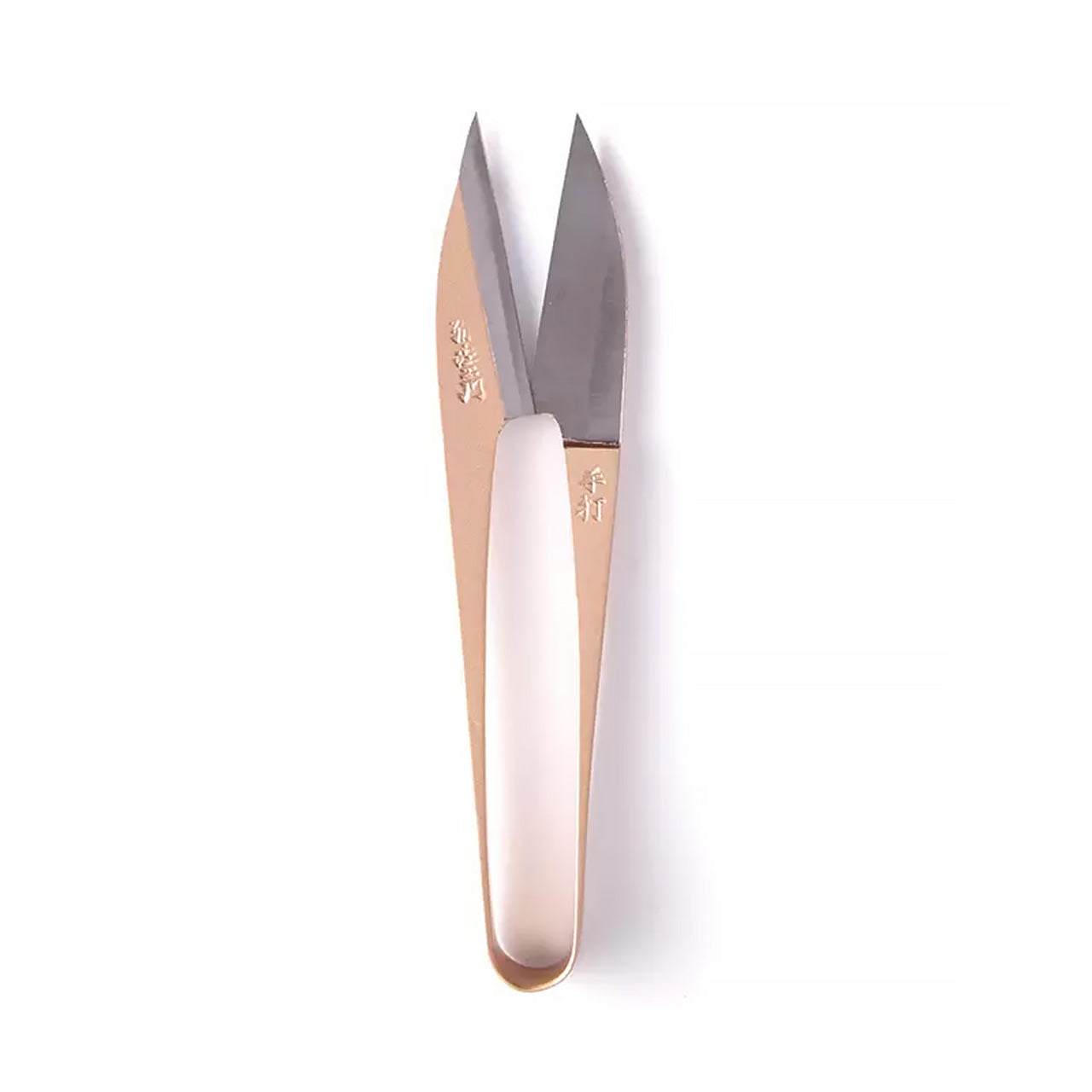
Talking with Mr. Tanaka, Mr. Kobayashi said: "Banshu blades are already complete." Forms refined over centuries did not need to be redesigned. Instead, he proposed adding one percent of new color to a perfected form. That became the 101 Series: traditional thread snips and tailor's shears unchanged in shape, with just a touch of color. Coloring scissors had never occurred to the craftsmen or the industry. It is a tiny change, but in a long history, a completely new one that may transform how Ono makes blades.


Across the sea
Mr. Kobayashi made overseas markets a priority, something the cooperative had never imagined. They trusted him, and the response has been strong: exhibitions in New York, London, Paris and Amsterdam have been well received, and inquiries from abroad keep growing.
Finding successors
Equally urgent is finding successors. The 101 Series forged thread snips are all made by Mr. Mizuike, a craftsman in his seventies and the only person in the world who can forge thread snips from start to finish. His skill cannot be replaced, and learning it takes years. The cooperative and Mr. Kobayashi are working hard to find apprentices, and a few have begun to come forward, though, as Mr. Mizuike says, there is still much to do to support them.
Update: Since our visit, Mr. Mizuike's apprentice, Mr. Terasaki, has taken up the craft. Having mastered the techniques his teacher drilled into him, Mr. Terasaki is now the one who hand-forges the 101 Series thread snips, carrying this rare skill into the next generation.


What we want to cherish
Cheap scissors will cut just fine. But things made to last carry real value: the maker's care, the attachment that grows as you use them, and the act of maintaining them and passing them on. Choosing what we use, with that in mind, may be what keeps a craft region alive. Our thanks to everyone in Ono who made time for us.