chanto: Hikone's Buddhist Altar Craft Reborn as Colourful Café Tableware
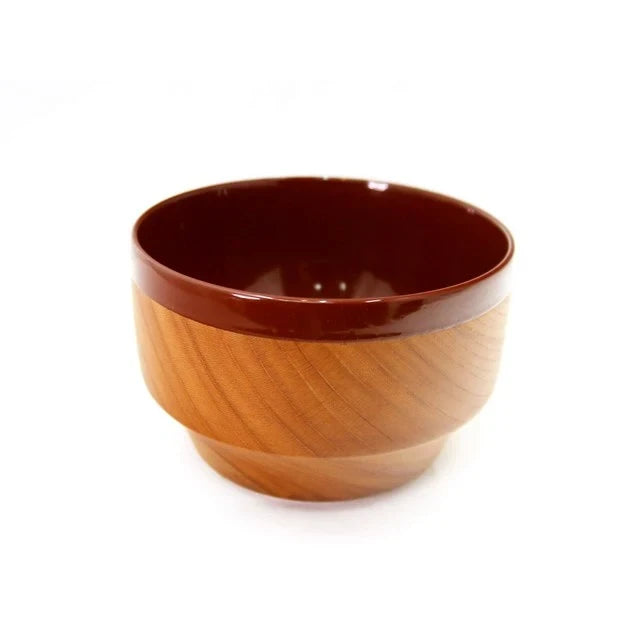
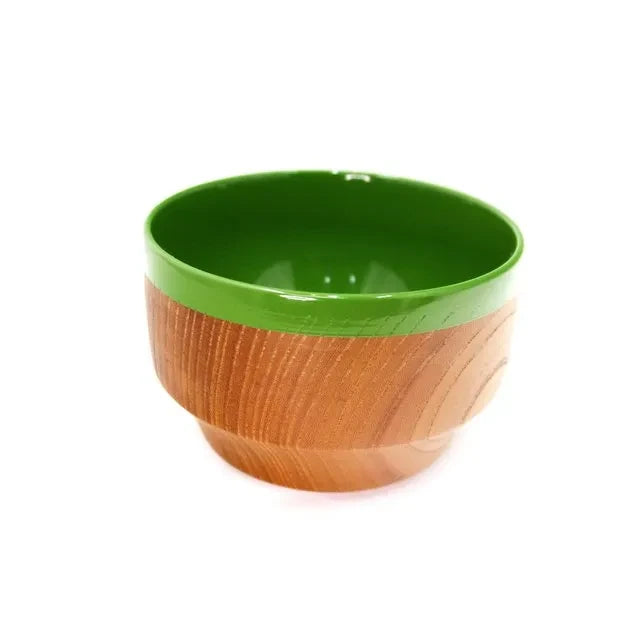
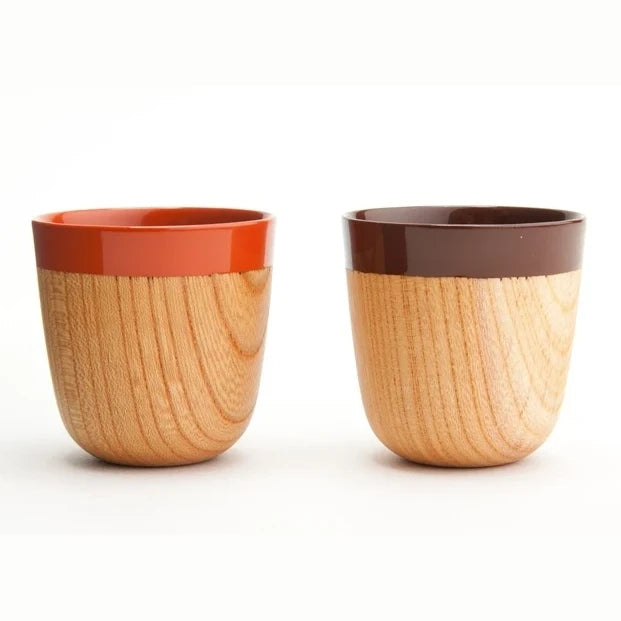
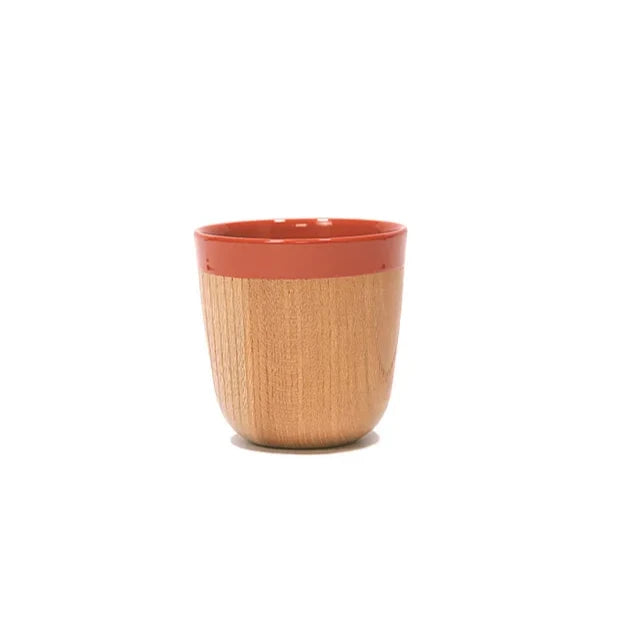
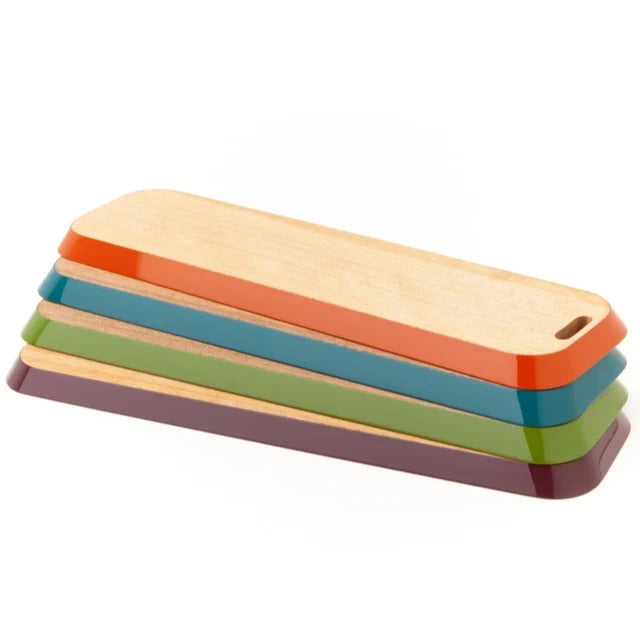
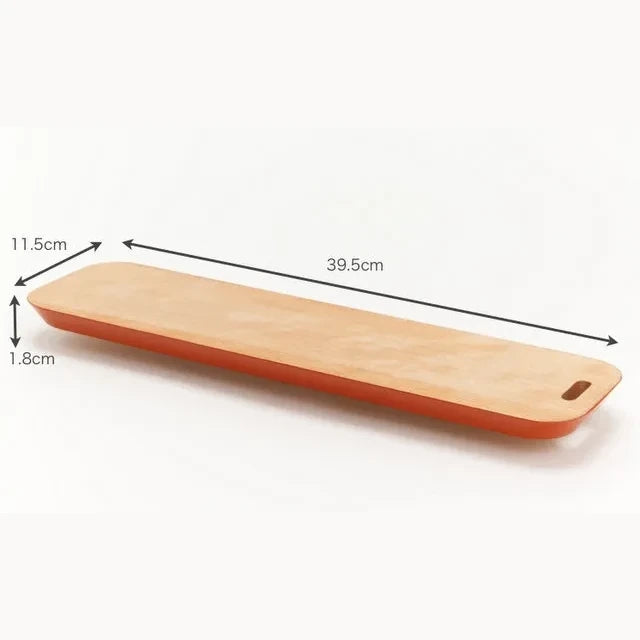
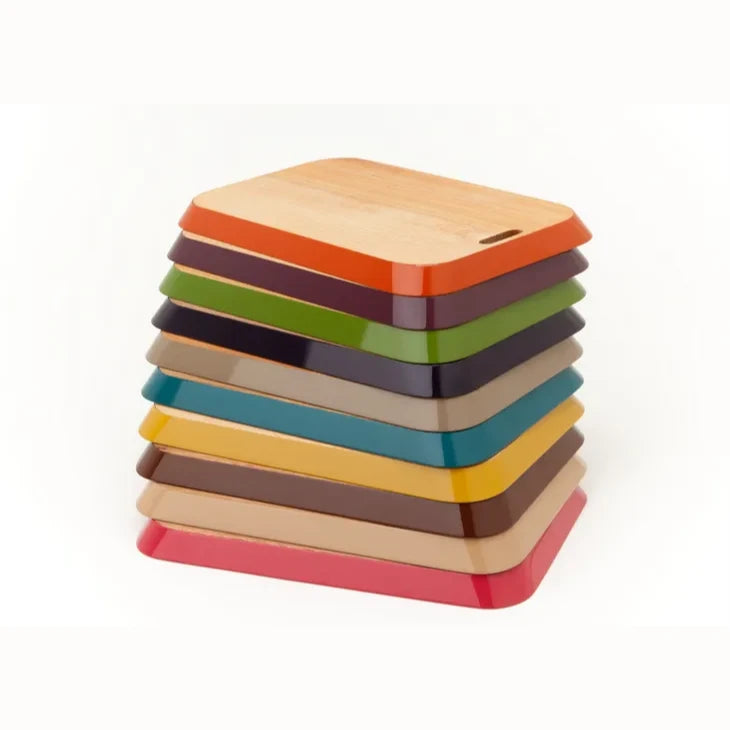
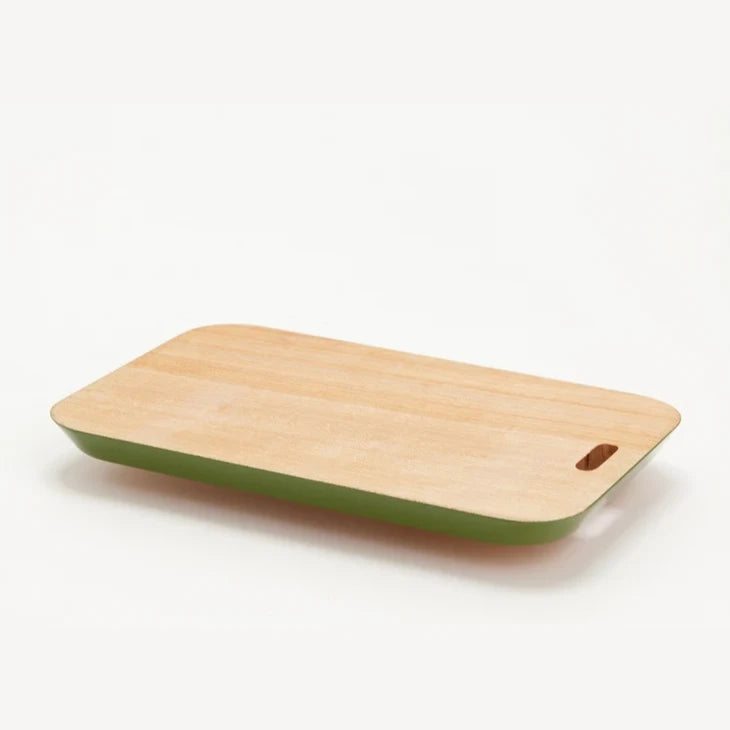
In the Hikone dialect of Shiga Prefecture, chanto describes the act of straightening your back, focusing, and doing things properly. It is also the name of a lacquerware brand launched by Inoue, a Buddhist altar maker in Hikone with more than 100 years of history, together with designer Takumi Shimamura. The brand turns the town's long-standing altar-making skills into colourful, café-style tableware for everyday life.
A Buddhist altar shop beside Hikone Castle
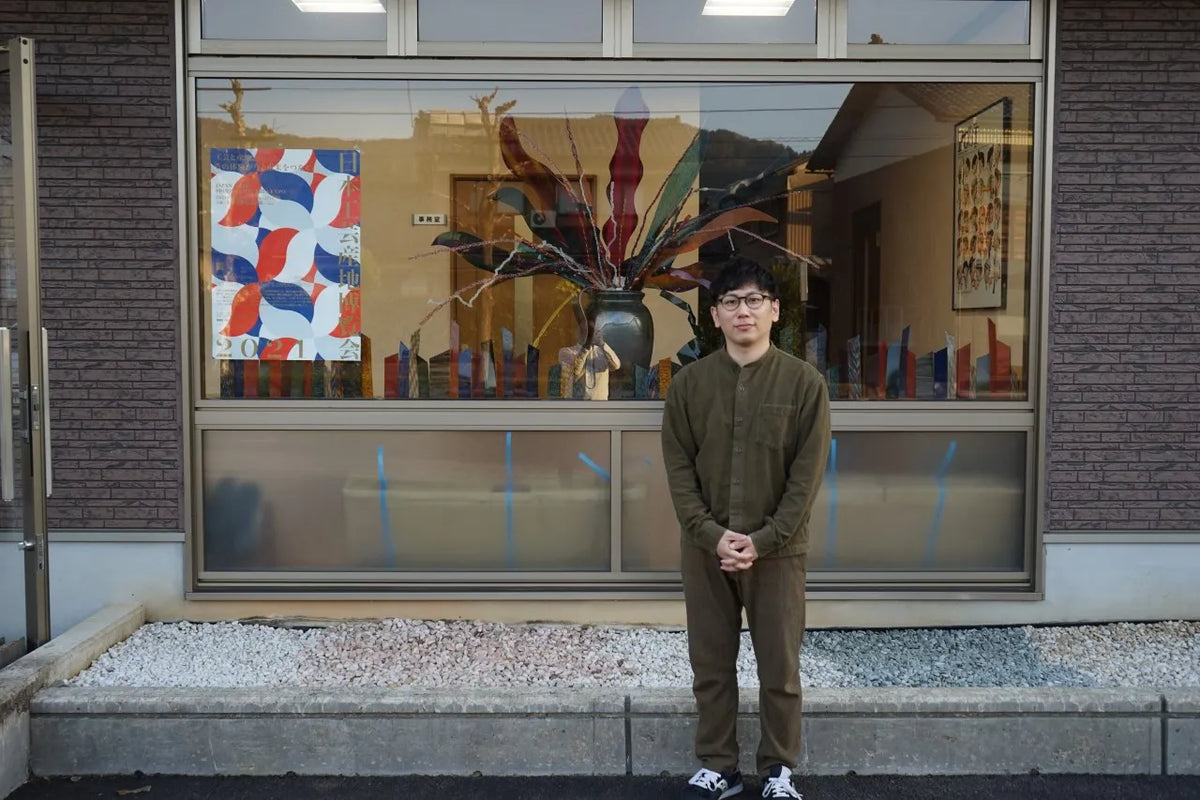
chanto was born in the heart of Hikone, just a short walk from Hikone Castle. Looking at the traditional wooden shopfront, it is hard to imagine that such modern, bright tableware comes from here. This is, in fact, a Buddhist altar shop that has been in business for over a century.

From samurai armour to Buddhist altars
Hikone has been a centre of Buddhist altar making for some 300 years. Its roots lie in armour: long ago, the Hikone domain needed armour for its samurai, including the red-lacquered armour of the Ii clan, famous as the Ii no akazonae (the Ii "red brigade"). Making it required a wide range of skills, from urushi lacquering and woodworking to gold leaf, carving and metal engraving.
As times changed and the demand for armour fell, these highly refined skills were applied to making Buddhist altars. Today, times are changing again, and demand for new altars is declining.
The birth of chanto
Mr. Inoue, the fourth-generation head of Inoue, felt that things could not go on as they were. He began to look for fields where these skills, which reach the level of art, could live on. After much trial and error, he decided on a new direction: café-style tableware.
The resulting pieces combine woodworking and lacquering backed by generations of experience with the contemporary designs of Takumi Shimamura. Bringing together a tradition of more than 300 years and the present day, the new brand was named chanto.

Lacquerware for a younger generation
Urushi is the natural lacquer made from the sap of the lacquer tree, applied in thin coats to wood to create a beautiful, durable finish. In Japan, many people think of urushi as something formal and a little intimidating, reserved for special occasions rather than daily use, and not something younger people tend to own.
Mr. Inoue wanted chanto to be different from conventional lacquerware: a new kind of lacquer brand that young people would want to use. The result is the colourful, modern lacquerware of chanto.

Colours that only experience can reproduce
These colours are, in fact, the fruit of craftsmanship refined over many years. The coloured lacquers used for chanto have a distinctive vividness that instantly catches the eye.

Reproducing exactly the same colour of lacquer again and again is one of the hardest things to do. The mix has to be adjusted subtly depending on temperature and humidity, yet without consistent colour there is no product. What makes it possible is the intuition of a craftsman, built up over many years.
chanto's lacquers are mixed by a certified traditional craftsman of urushi lacquering. Very few craftsmen anywhere in Japan can produce the same colour this consistently when the mix is so affected by the environment.

For now, chanto's coloured lacquers depend on the skill of a single person. The goal is for the techniques of chanto, and of traditional crafts more broadly, to be passed on smoothly to the younger generation. In that sense, chanto's effort to change how people see urushi will only become more important.
Common misconceptions about urushi
Many people believe that urushi causes skin rashes or is difficult to care for. These ideas are simply mistaken. Unlike raw lacquer, cured urushi will not irritate your skin when you touch it. Apart from not putting it in the microwave or dishwasher, caring for lacquerware is much the same as caring for any other tableware.

It is true that lacquerware is not inexpensive. But why is it priced as it is? Because each piece takes a great deal of time, work and craftsmanship. And because it is made with such care, well-made lacquerware can be cherished and used for many years. chanto's pieces are no exception. When you consider that they can be used for generations, the price is well worth it.

"japan": a natural finish worth rediscovering
Urushi is a natural, eco-friendly coating made from tree sap, and it deserves a fresh look. In English, lacquerware is even called "japan"; around the world, urushi is regarded as Japan's signature finish. As a natural material, it attracts strong interest in Europe and North America too, and it is without doubt one of Japan's finest crafts.
It would be a great loss if misconceptions caused one of Japan's traditions to fade away. Having moved from Buddhist altars into tableware, chanto continues to bring a fresh perspective and new energy to the world of lacquerware.

Our sincere thanks to Mr. Inoue and everyone at Inoue for sharing their story with us.