HIZEN5: Glass Pens from Five Pottery Towns in Saga
Saga Prefecture, once known as the province of Hizen, is the birthplace of Japanese porcelain and home to famous wares such as Arita, Karatsu and Imari. To help people enjoy Hizen pottery more casually, kilns from five towns (Karatsu, Imari, Takeo, Ureshino and Arita) teamed up with the prefecture to create HIZEN5. Local producers and eight kilns work together to combine traditional skills with fresh ideas. We visited the three kilns that make the glass pens we carry.

New connections across pottery towns
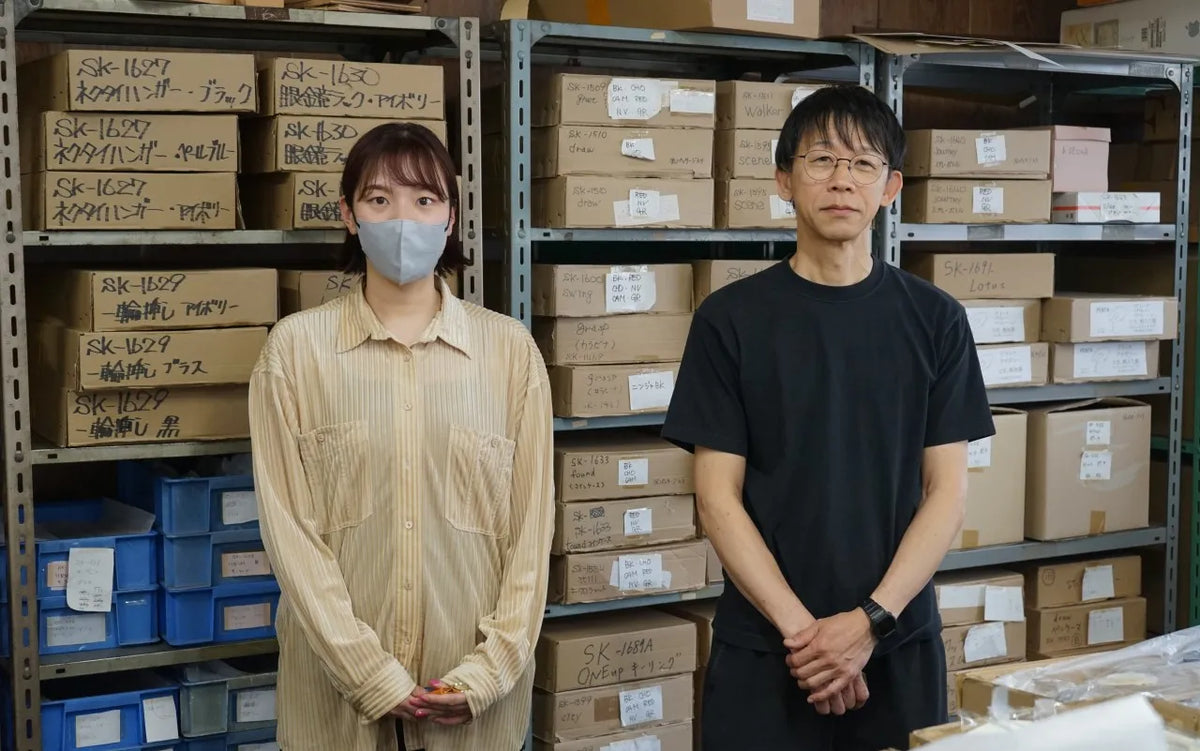
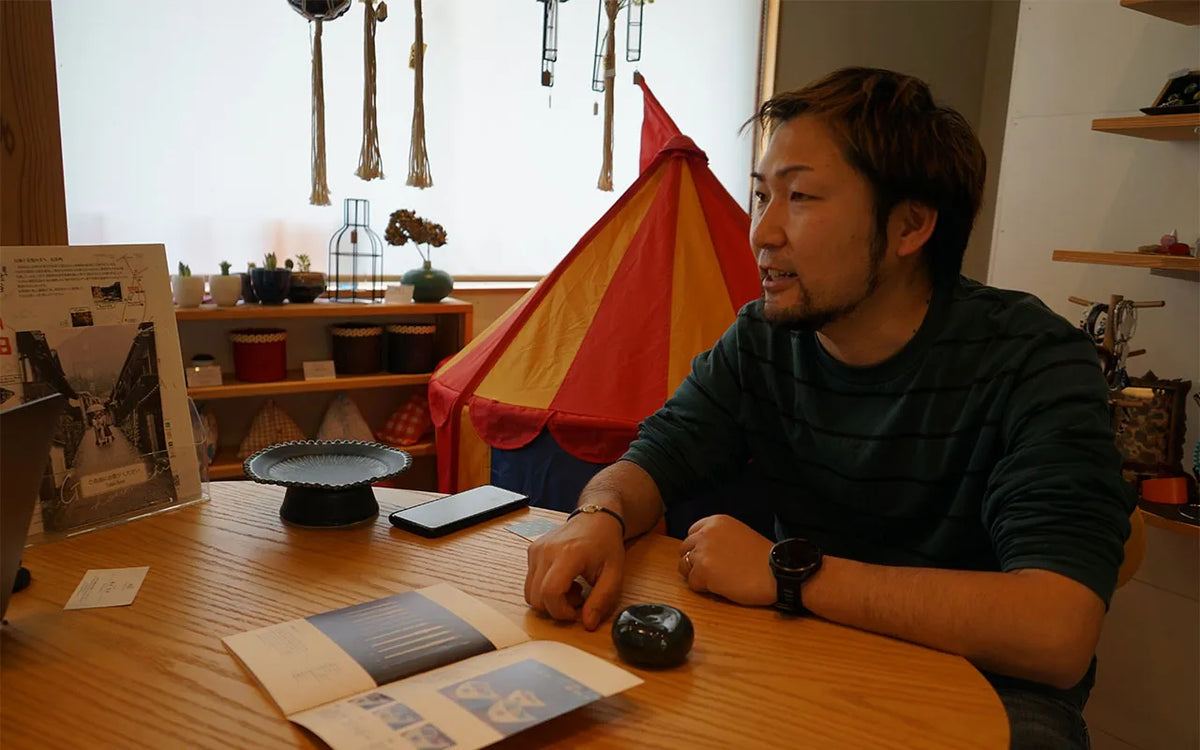
Our guide was Mr. Kusumoto, HIZEN5's producer for Arita, who runs a ceramic accessory shop there and acts as a go-between for the kilns. "HIZEN5 began as a prefectural project to present pottery to young people from a new angle," he says. Its first products, around 2018, were ceramic accessories.

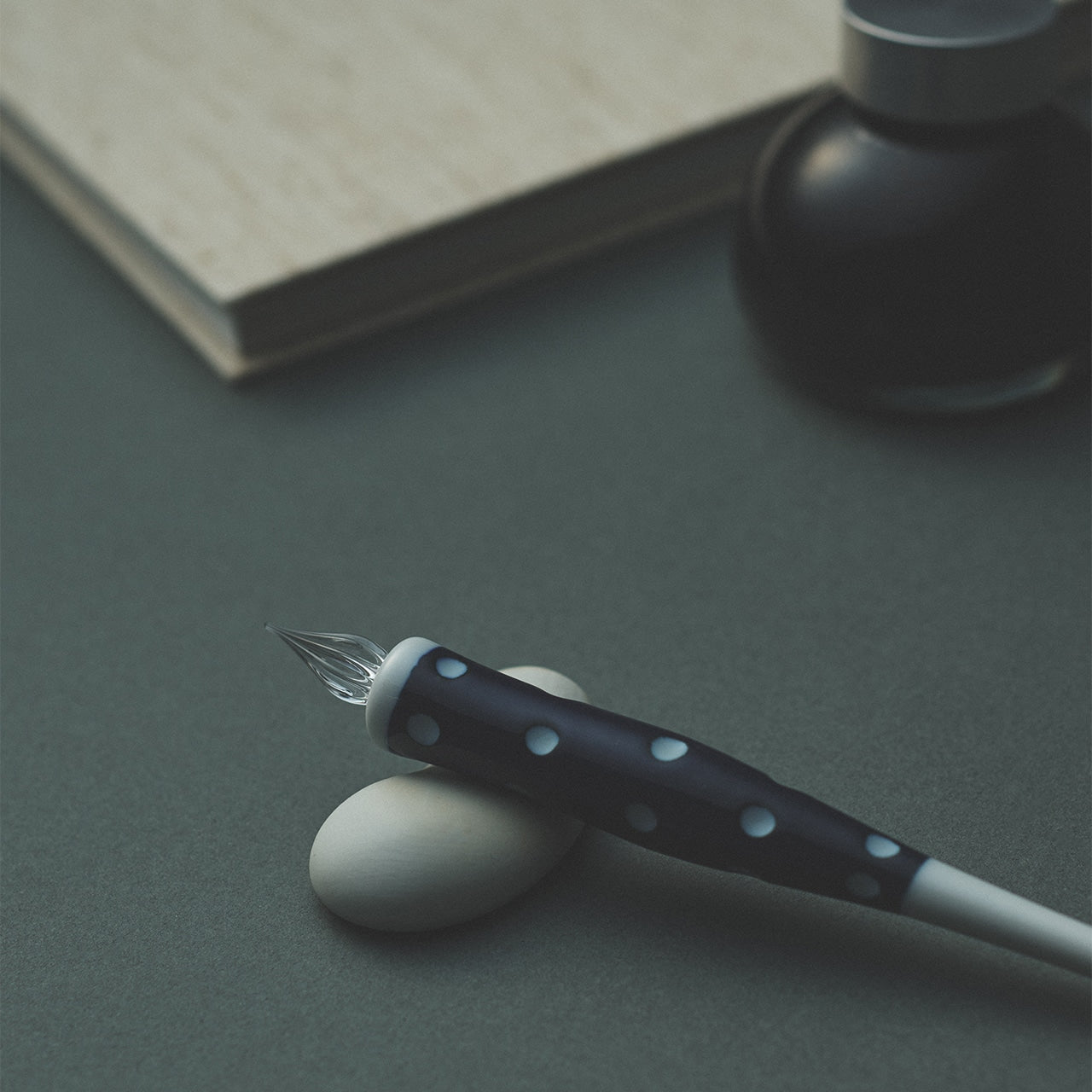
In the past, even kilns in the same town rarely shared information, let alone factory tours. That changed around 2016, when Arita celebrated 400 years of porcelain making and a major anniversary project brought makers together. Through those connections, Mr. Kusumoto gathered kilns willing to join HIZEN5. Today the brand focuses on glass pens: a shared glass nib with a ceramic grip, shaped by hand or in molds, each reflecting its town and kiln. For kilns from different towns to make the same product together is truly new.

The challenge is independence. The project still relies on prefectural funding, and the kilns must put their main business first. Yet all of them are positive about HIZEN5, which inspires them in new ways.
Arita ware: the Arita Pen
Our first stop in Arita was Bunshogama, a kiln that specializes in stationery and interior pieces. Its gallery is filled with charming ceramic goods. The kiln began when the president's father went independent to make ceramics other than tableware, starting with light switch and outlet covers.

Cute as they look, these pieces demand great precision: each must fit its fittings exactly, or it must be remade. Clay shrinks in firing, differently in height and width and with every change in conditions, so molds are often remade. "They're incredibly precise," says Mr. Kusumoto. "For the glass pen, I knew it had to be them."

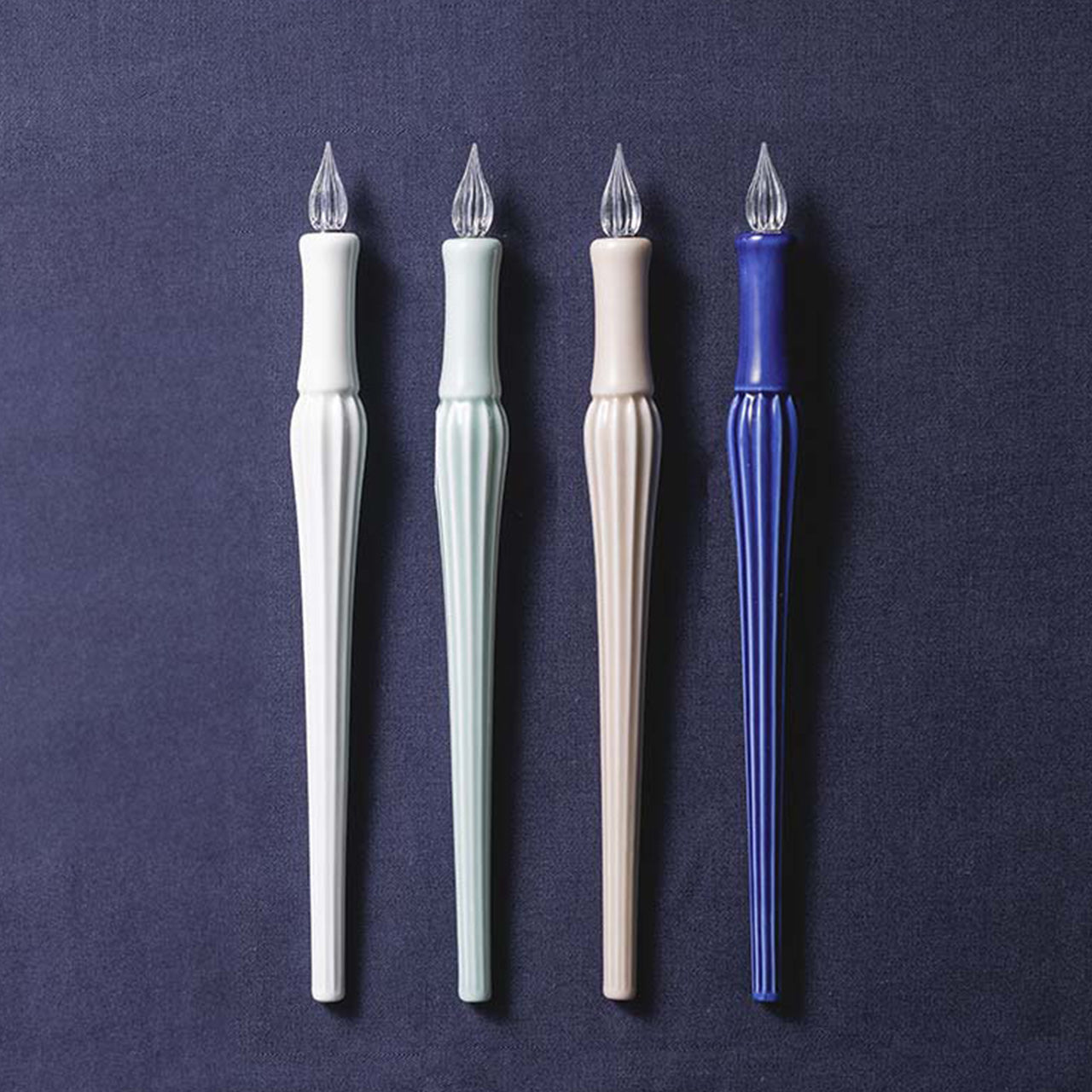
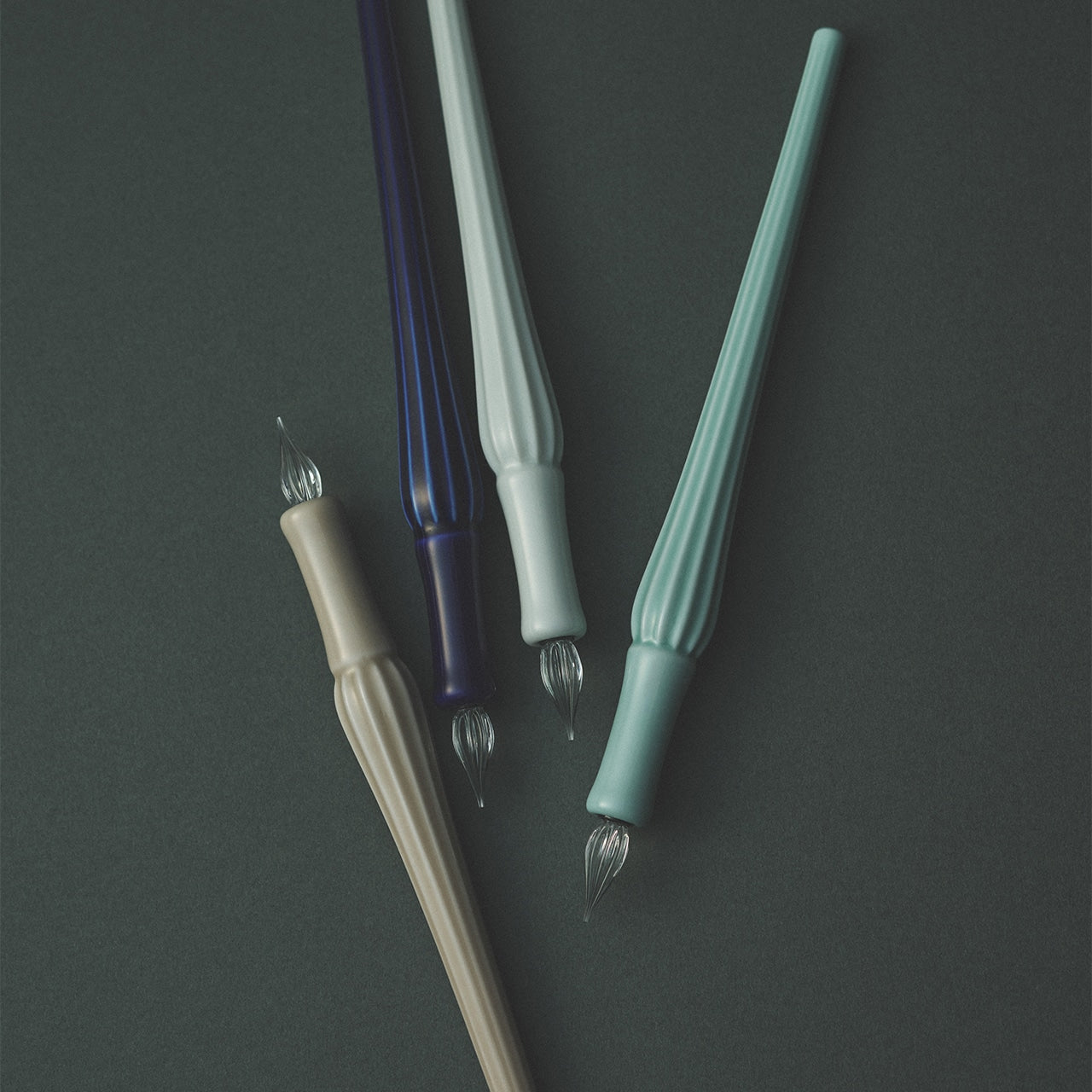
Mr. Morita, the president, designed the Arita Pen around one priority: "a form that sits comfortably in your hand." He studied shapes by gripping wooden sticks one after another, and worked hard on the length and the vertical carving on the grip. Long, thin pieces tend to warp in the kiln, "but I pushed to make it a little longer." "If we were going to do this, I wanted to make something other kilns would admire."

Hizen Yoshida ware: polka dots carved by hand
Next we visited Soesen Seitosho in Ureshino, a town known for its hot springs and green tea. Founded in 1947 and now run by third-generation president Mr. Soejima, it is known for the polka-dot pottery that has become a symbol of Hizen Yoshida ware.

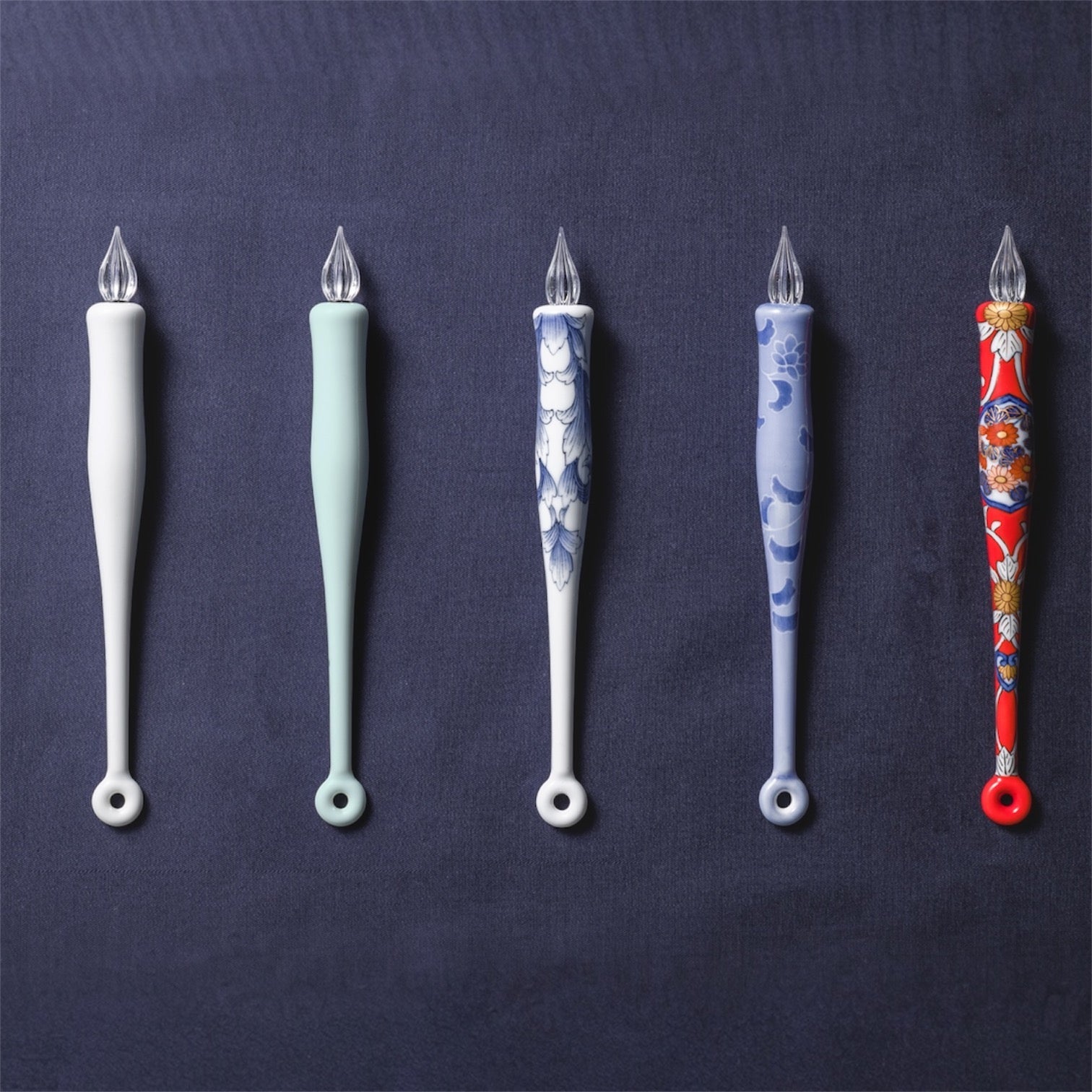
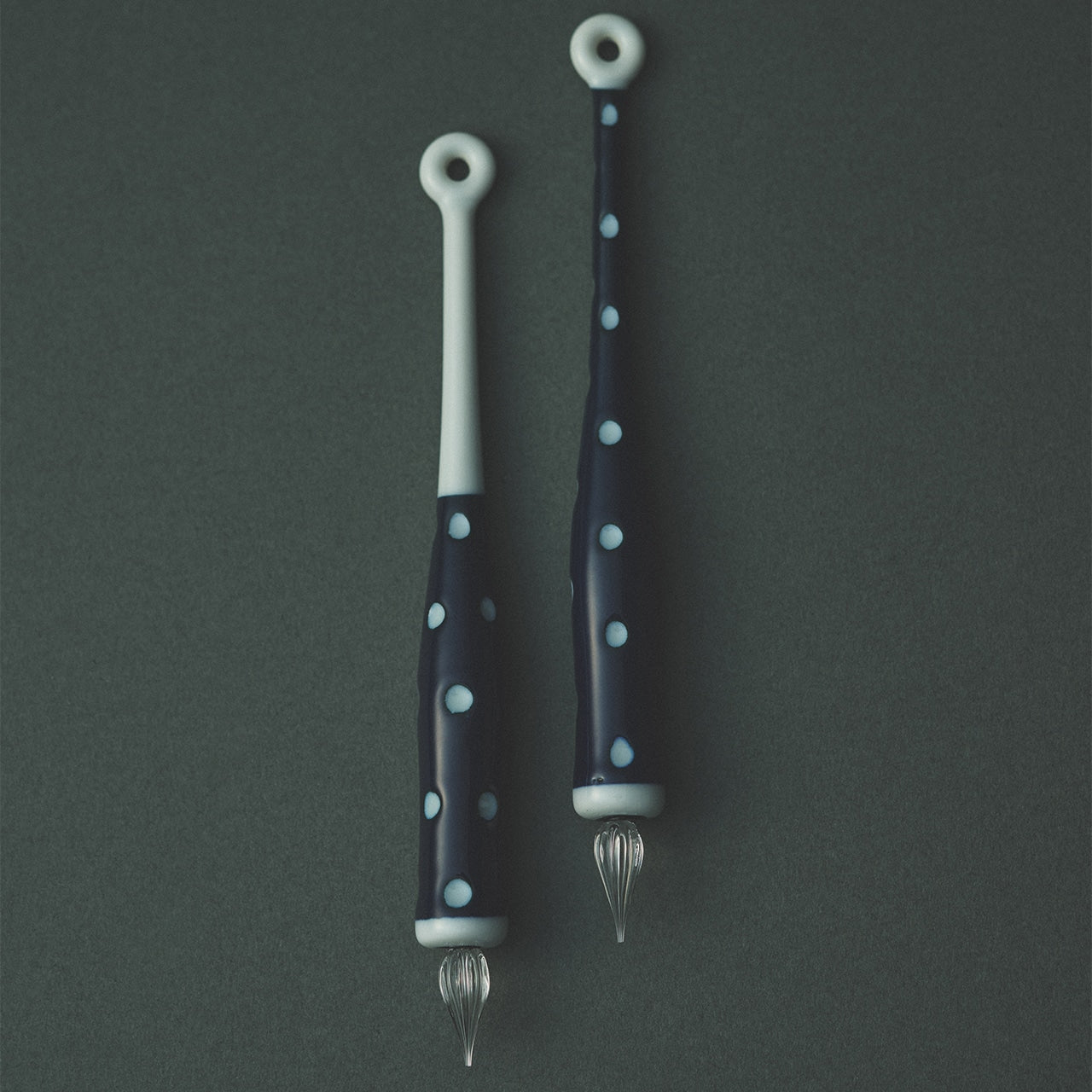
The dots are made by kakiotoshi: a layer of slip colored with indigo gosu pigment is carved away in circles with a rotating, drill-like tool, so each dot is slightly recessed. Today Soesen appears to be the only kiln still carving dots this way. "Everyone else stopped to make things that sold better. We were the last ones who didn't," Mr. Soejima says. He calls the technique an asset of the whole industry: "Others could do it, but it takes manpower and it's a hassle, so nobody wants to."

He carves every Ureshino Pen himself, placing each dot perfectly without any guide marks. Because the pens are so thin, the vibration often snaps them; sometimes half of ten break. He welcomes HIZEN5: "Taking on challenges raises our technical level." Kilns that once kept to themselves are now drinking companions who share skills and worries.

Imari ware: the Imari Pen in Nabeshima style
Our last stop was Hataman Toen at the foot of Okawachiyama in Imari, the "village of secret kilns" that made porcelain for the Tokugawa shoguns in the Nabeshima clan's official kilns. Founded in 1926, the kiln carries on the refined Nabeshima style.


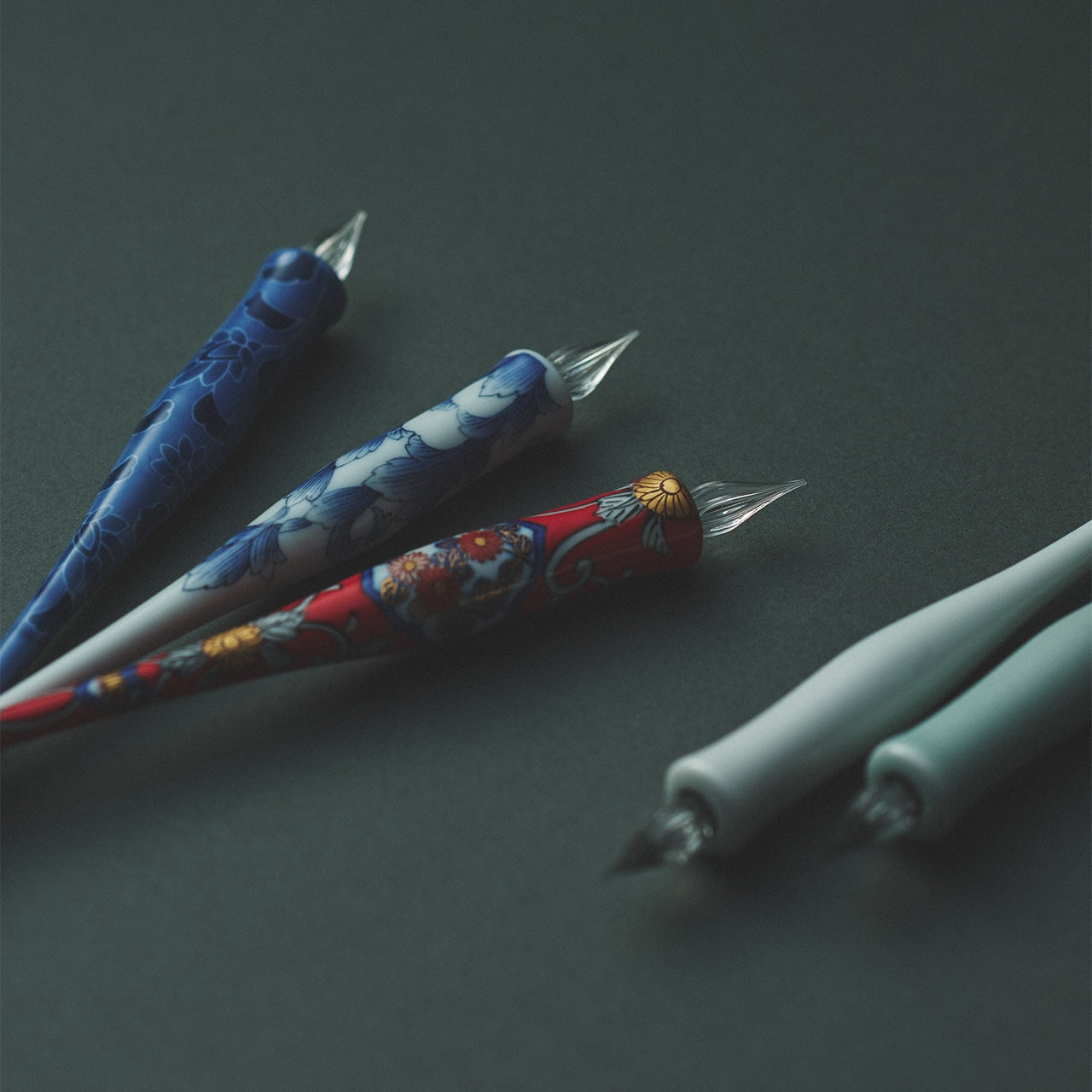
The Imari Pen is painted entirely by hand. Outlines are drawn in cobalt-blue gosu and fired at about 1,300°C, then red and yellow overglaze is added and the piece is fired again: three firings in all. In the painting room, the only sound was a radio as craftspeople worked in silence. Even "red" comes in dozens of shades, each chosen for its place.


The glass pens have brought a new audience: people who come to Imari porcelain through stationery. The kiln's chairman steered it toward "protecting tradition while making new things," from perfume bottles to a leather-textured porcelain he spent five years developing. "New things, refined and improved, become history in turn."

Five towns, one spirit
Each kiln was powerful and distinctive, yet all shared the same drive to carry tradition forward while trying something new. As HIZEN5 looks abroad and works toward standing on its own, we see the same spirit that has driven Hizen's pottery towns to push each other for centuries. Our thanks to everyone who welcomed us.