JINSUI: Reinventing the Tokoname Teapot
Tokoname, on the Chita Peninsula in Aichi, makes about 90% of Japan's teapots. Its pottery, Tokoname ware, is one of Japan's Six Ancient Kilns and the oldest of them, dating back more than 1,200 years. We visited JINSUI and its president, Mr. Watanabe, whose TOKI teapots combine strength and delicacy with a quiet, dignified beauty.


Tokoname's distinctive red
Tokoname's Pottery Footpath winds past chimneys, kilns and walls built of pottery, with beckoning-cat sculptures around every corner. Tokoname ware is known for its distinctive vermilion color, which comes from iron-rich clay, and teapots are its signature.

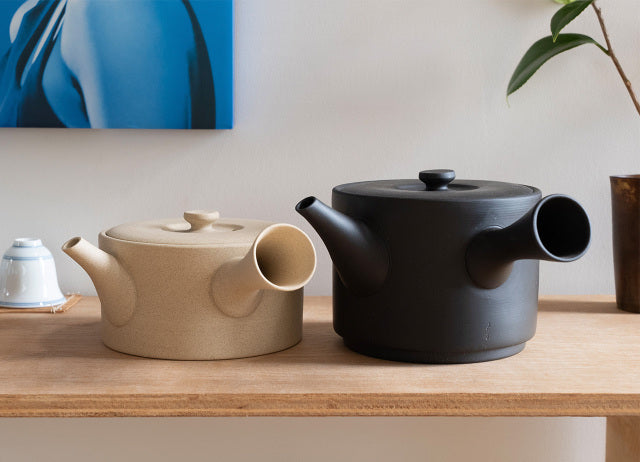
Most people assume teapots all look much the same. JINSUI challenges that. Its TOKI series combines long-proven ease of use with a stylish look suited to modern homes, and even considers how the tea leaves open up for a better brew.

Time and the teapot
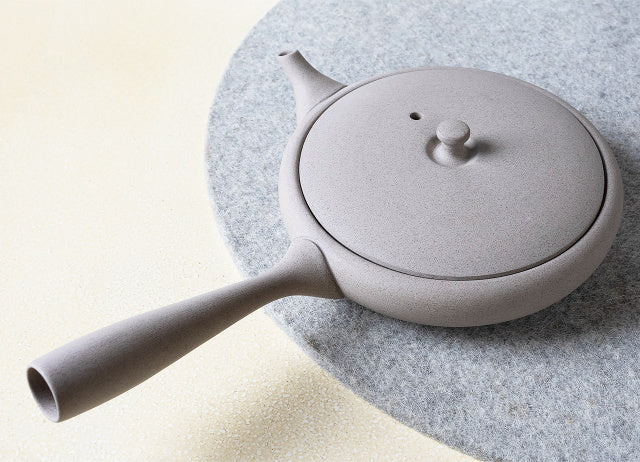
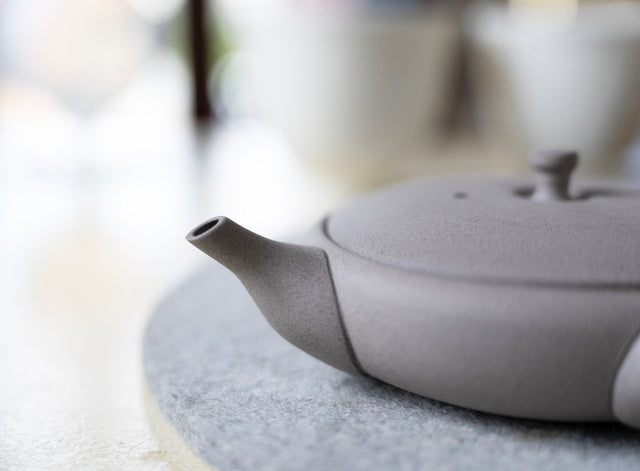
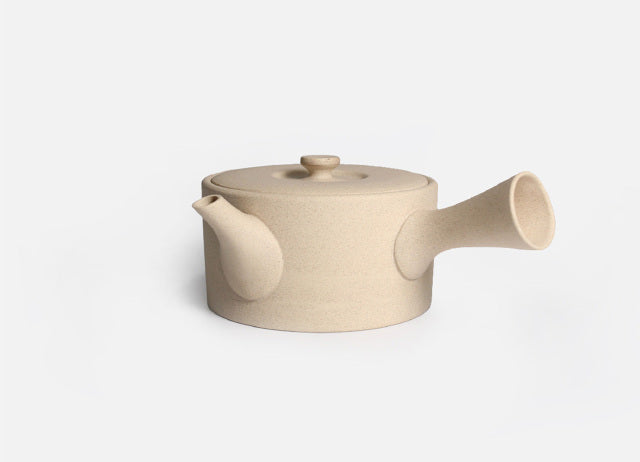
TOKI, designed by Mr. Watanabe himself, has a flat shape inspired by the hands of a clock, with the handle and spout as the hour and minute hands. It comes in natural, gray and charcoal black. "Green tea is getting attention for its health benefits, and tea and teapots go together. I wanted to introduce the teapot to the world as Japanese culture, and to make something clearly different from the classic teapot. Craftsmen call time spent enjoying tea toki-wasure, forgetting time. You forget time, drink tea, and then remember it." The flat body lets the leaves spread, and the unglazed gray, he believes, is unique to JINSUI.


A ceramic strainer, built in
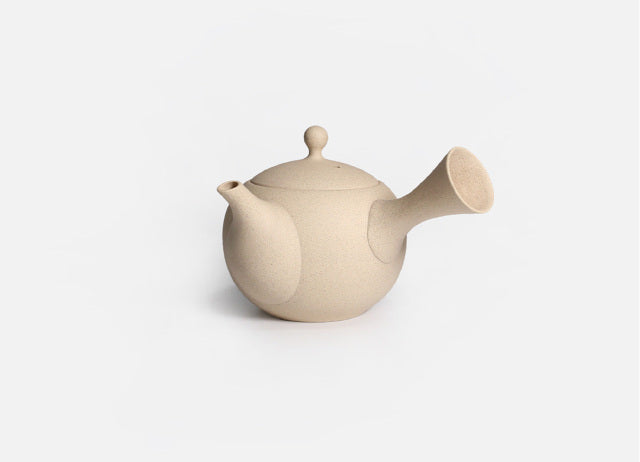
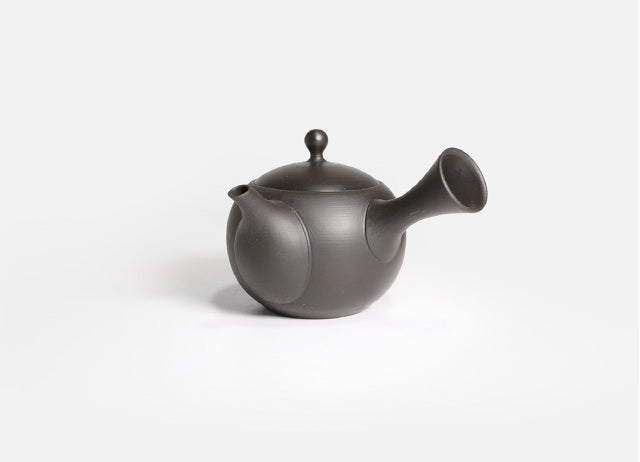
"People abroad tell me Japanese things last a long time. We must never weaken that reputation." JINSUI teapots have a ceramic strainer formed as part of the body, extremely difficult to make. "Other companies can't mass-produce teapots with ceramic strainers. Anything that doesn't meet our standard is discarded." Alongside TOKI, the IROIRO series updates the classic teapot form.


The workshop can make about 6,000 teapots a month. Strainer, handle, spout, lid, knob and body are formed separately and joined, and in a step characteristic of Tokoname, the lid is ground against the body by hand so they fit perfectly.


200 years of change
Mr. Watanabe's path was unusual. He loved clothes as a teenager and went to fashion school, then studied floristry and opened a floral decoration business, selling door to door. Eventually he took over his father's kiln. "We think it was founded as a kiln around 1800. My grandfather's generation began making teapots, and in 2014 we incorporated as JINSUI."

Breaking with old ways
Today he is designer, head of sales and president at once. "Tokoname ware could only be sold through local wholesalers. It was displayed badly and priced low, so makers couldn't earn a living." About two years before our visit, he stopped selling through wholesalers and built his own sales channels. "Apparently I'm called the biggest troublemaker in Tokoname's history," he laughs. "But a bad name beats no name. And if a wholesaler's price works, I'll give it everything, and I always keep deadlines."

Taking Japanese tea culture to the world
JINSUI even makes lampshades using teapot-making skills, a way for people to discover its teapots beyond tableware, including in countries without a tea-drinking culture. "Work isn't something you wait for; you go and get it. The only one who can affirm me is me." He wants JINSUI to be a place people want to work, and to be the name people think of when they hear "teapot." Brewing tea in a teapot is part of Japanese culture; we hope you will try it with Japanese tea and a JINSUI teapot. Our thanks to Mr. Watanabe and the JINSUI team.