Wajima Kirimoto: Bringing Lacquer Back into Everyday Life
Wajima, at the northern tip of the Noto Peninsula, is not easy to reach, and perhaps that is why it keeps so much of its old charm: peddlers pushing carts, the famous morning market, and lacquerware shops that have traded for generations. We visited Wajima Kirimoto, which has been bringing fresh ideas to lacquerware under the concept "lacquer for everyday life."


A family of woodworkers
Wajima's lacquer history goes back to the Heian period, and Wajima-nuri as we know it was established in the Edo period. To be called Wajima-nuri, a piece must meet strict requirements, such as reinforcing edges with cloth and using Wajima's local jinoko base powder. The work has always been divided among specialists: wood base makers, lacquerers and decorators, coordinated by a producer. Kirimoto's trade was the wood base, and its skill with wood was respected throughout the industry.

A new wind
Mr. Kirimoto, the seventh generation, studied design at university and worked in office planning before taking over. Seeing craftspeople decline and the industry shrink, he worried about continuing only as a wood base maker. Lacquerware is highly functional and belongs in daily life, yet fewer and fewer people used it. So he made a bold change: Kirimoto would become a maker, producing and selling lacquerware itself, using his design knowledge to bring new techniques and designs to Wajima's tradition. Meeting him, we felt what it looks like when someone is truly determined to change things.

Makiji and nunomise
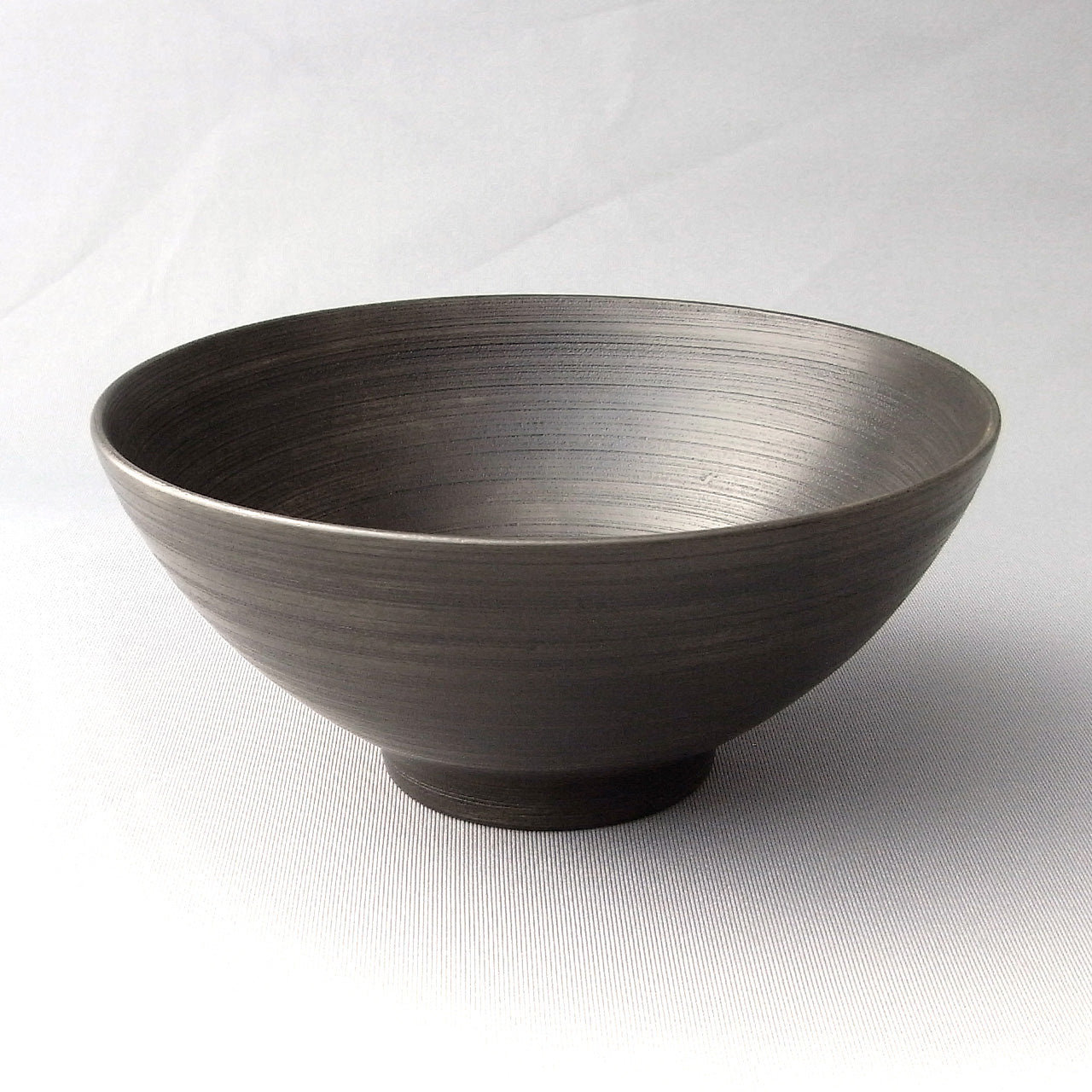
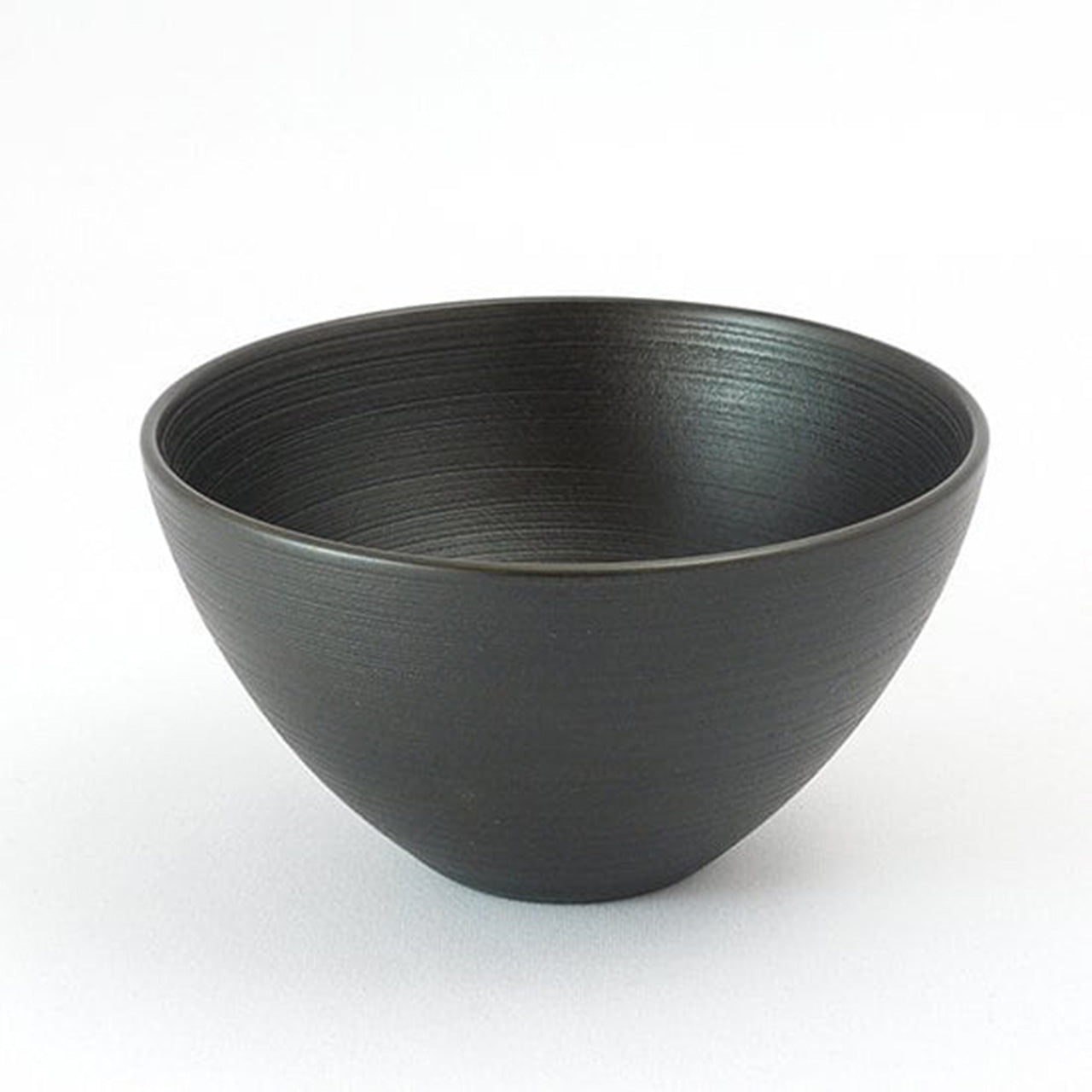
Makiji, the technique he developed, scatters jinoko, made from fired diatomaceous earth, over a cloth-reinforced surface and works lacquer into it. The slightly textured finish resists scratches, so even bowls can be used with spoons and forks, and chopsticks become both tough and easy to grip. It has won national recognition, and was featured in a popular television drama set in Wajima.


Nunomise, another original technique often used on tabletops, lacquers over cloth so that the fabric's texture remains, giving a thick, quietly striking finish used in fine restaurants.

Headwinds
Making lacquerware from start to finish and introducing new techniques drew criticism in a region slow to accept change. Today the techniques are established, but the struggle was real. Perhaps because he had seen the world outside Wajima, Mr. Kirimoto understood that the way to keep tradition alive is not to freeze it, but to let it evolve with the times.

Misunderstood lacquer
Lacquerware is entirely natural, kind to the environment, antibacterial and heat-retaining. Yet many people think it is difficult to care for or causes rashes. Raw lacquer can irritate skin, but finished lacquerware is fully cured and safe; small lacquer pieces were traditionally even used as teething toys. You can wash it with a sponge and detergent, and daily use is the best care. It is called a vessel you "grow," as it slowly changes with the years.

Mr. Kirimoto told us that when children compare lacquerware with other materials, almost all choose lacquer. Adults who have grown up without good things choose it far less often. Lacquer appeals to something instinctive in us.
Lacquer for life
Safe, natural, and repairable, lacquerware can last a lifetime and even be passed down for generations. Mr. Kirimoto travels throughout Japan sharing its true value. In Wajima we saw a noren curtain that read: "How lovely when a grandchild inherits the bowl Grandma bought." We could not agree more. Our thanks to Mr. Kirimoto and the craftspeople of Wajima Kirimoto.