buntA: Waraji Sandals Born from Medical Insoles in Kobe
Nagata, in Kobe, has long been a town of makers, where homes and small factories stand side by side. Here Fuji Koatsu Products has made shoe outsoles and insoles for more than 75 years, since 1948. In 2019, it launched buntA to bring its rubber-making skills to sandals and more.


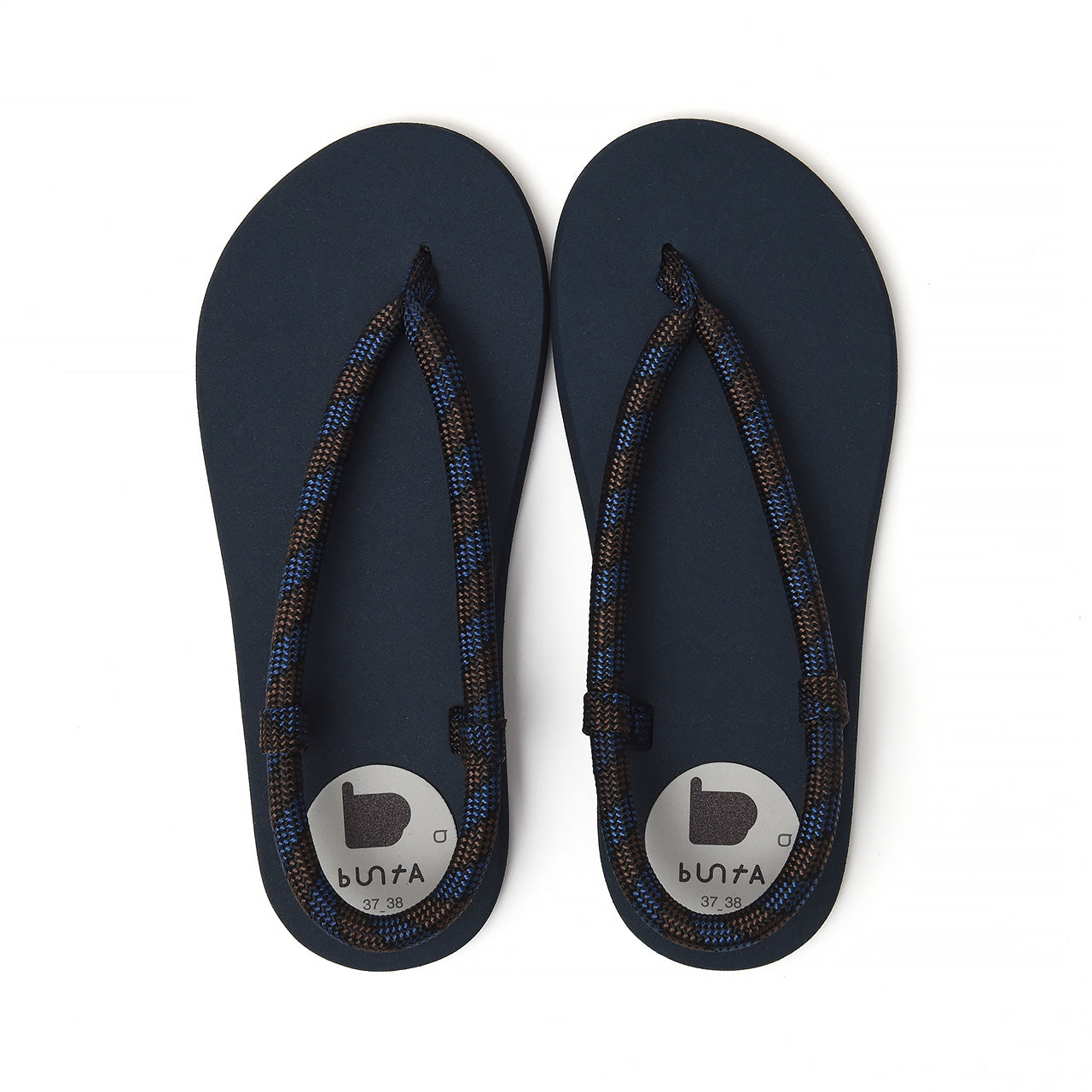
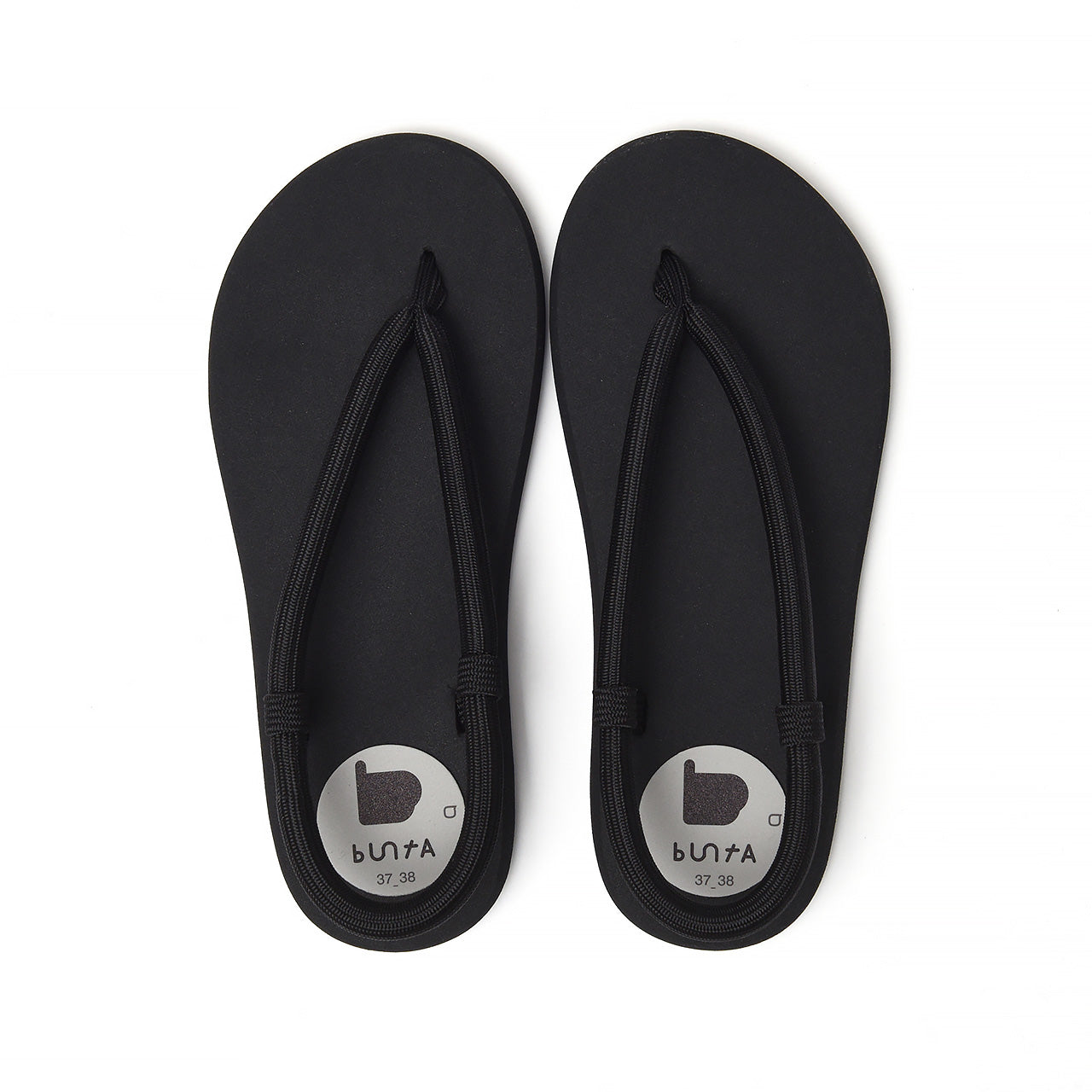
buntA's first product, the waraji sandal, is made from a rubber originally developed for medical insoles. Wearing it naturally encourages you to walk properly, using all five toes. Its cradling comfort and stable grip have won many older fans, and it received a Good Design Award in 2024. We asked the PR team how an insole maker came to make sandals, and toured the factory.

From medical insoles to sandals
"Traditional medical insoles were very hard, and many patients wouldn't wear them. We wondered how our decades of insole know-how could help." The result was Marshmallow, a premium rubber. Most insoles simply absorb shock. Marshmallow has both low- and high-rebound properties, so it supports the continuous cycle of absorbing and pushing off that is walking. The custom medical insoles made from it have helped more than 6,000 people with foot pain.

To bring Marshmallow to everyone, the team looked to the traditional Japanese waraji straw sandal, whose thong makes you grip with your toes. The result looks stylish but reduces fatigue over long walks. Many customers have bunions or are in their fifties and sixties; the oldest buyer was 96. "My sandals have worn into the shape of my toes. That's how much I use all five," a staff member says. The outsole, called Snow Rain, contains Japanese glass beads and ceramic so it grips even on wet roads.


Made like bread
The craftsmen explained the process by comparing it to baking bread.
- Kneading. EVA resin and synthetic rubber, from dozens of domestic ingredients in recipes unique to each product, are mixed under heat and pressure in a kneader at about 120°C. Craftsmen even sweep away spilled powder, since impurities affect quality, and judge the mix by eye.
- Adding the "yeast." The rubber is rolled and cooled, then a foaming agent is added, which will create the bubbles that make it soft.
- Sheeting. A roller mill cuts it into thin sheets, gap adjusted by hand; two craftsmen catch each sheet. Torn sheets go back into the mix.
- Baking. Stacked sheets are heated to about 160°C in a huge hydraulic press, where it can reach nearly 50°C in summer. With a bang, the rubber bursts out, many times thicker, slabs weighing about 17 kg.
- Slicing. Each slab is sliced to the exact thickness, adjusted in 0.1 mm steps to the rubber's hardness. "It took me about six years to master."
- Cutting and finishing. The sheets are cut into sandal shapes, and thongs are fitted by hand. For the waraji sandal, braided cord with a core is sewn on to the millimeter by the one craftsman who can do it. The strap can go behind the heel or over the instep.


A small test press sits beside the big one. Early buntA products took about three years each of adjusting ingredients and baking times, and the craftsmen are now experimenting with rubber blended with soil and flame-resistant wall materials. Their enthusiasm was obvious.

Sustainable making
Alongside Marshmallow, buntA offers three more rubbers, used in sandals, fitness mats and bags. Offcuts are crushed and mixed into new products, such as a starry-looking bag and rubber blocks safe for children. Sandals are built to last and can be repaired. The brand, once named after the founder, Buntaro, was renamed buntA in 2024 to be easier to say abroad.
In an age of automation, this factory's human touch makes more delicate making possible. We believe its rubber products will find fans far beyond Japan. Our thanks to the staff and craftsmen of Fuji Koatsu Products.