JIKAN STYLE: Hand-Dyed Tenugui from Sakai, Osaka
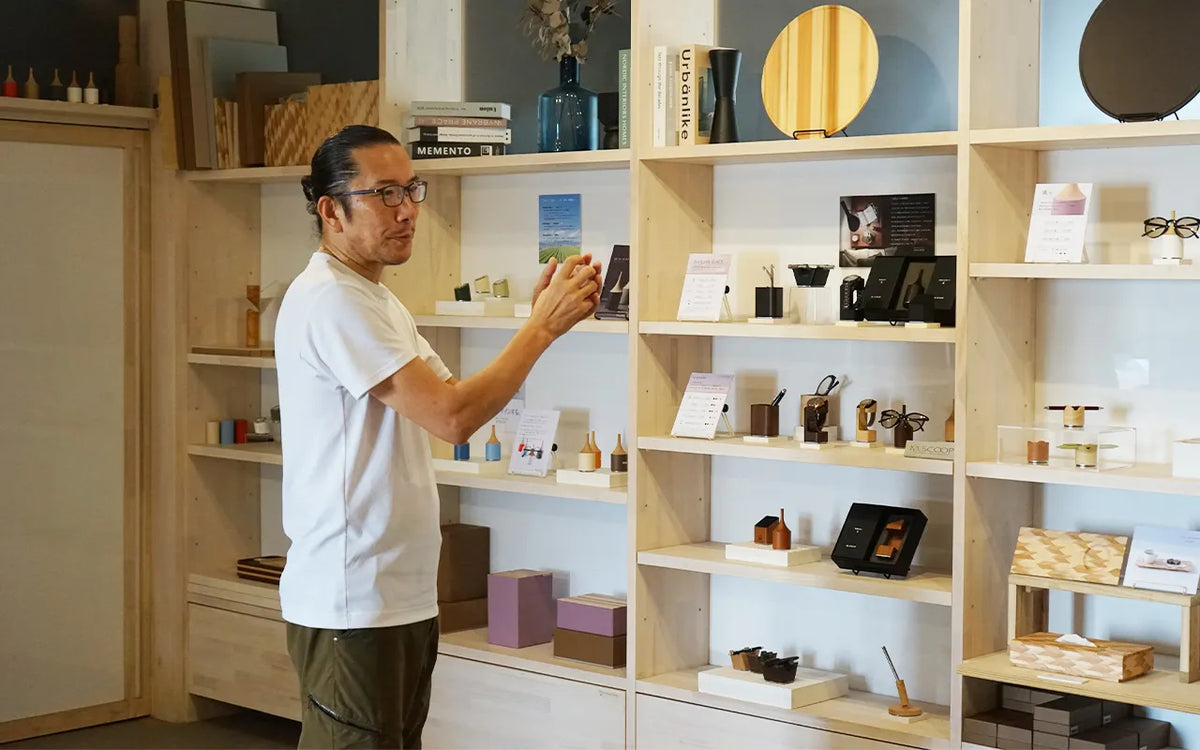
A tenugui is one of the most versatile things you can own in Japan: a hand towel, a handkerchief, a kitchen cloth, a gift wrap, even a piece of wall art. For this interview we visited Sakai, Osaka, to meet Mr. Miyamoto of Miyamoto Co., the company behind JIKAN STYLE, and Mr. Nakao, president of Nakani, the dye works that brings JIKAN STYLE's designs to life.

A craft built on teamwork
Tenugui are made through a traditional division of labor. Once an order comes in, the cloth travels from weaver to bleacher to dyer, each a specialist workshop. Miyamoto and Nakao are in fact relatives: the founders of the two companies were brothers, and in their day the rule was simple, "the older brother sells, the younger brother makes."
Sakai has grown cotton since the Edo period, and bleaching workshops have long lined its rivers. Dye works followed after the war, and both companies were founded in that postwar era.

The cloth
Tenugui are made from kohaba, a narrow cotton cloth woven on traditional looms. Two types are common: bun, a thicker, looser weave with a slight sheerness often used for classic small patterns, and tokuoka, a dense weave that does not show through and lets fine details and gradations come out beautifully. Almost all JIKAN STYLE tenugui use tokuoka. "It gets softer the more you use it," says Nakao, "and because there are so many threads, it stays pleasant to the touch even as it naps up."

Chusen: dyeing by pouring
Every JIKAN STYLE tenugui is dyed using chusen, a hand-dyeing technique born in Osaka. It takes far more time and effort than printing, but it gives a softness, depth and gentle bleeding of color that printing cannot.
Pasting. The cloth is laid over a stencil and coated with a resist paste made with seaweed. Wherever the paste sits, the dye will not reach. The cloth is folded back and forth, accordion style, and pasted layer by layer. It must be laid perfectly flat with no wrinkles, and fast, because the speed of the craftsperson's hands sets the day's output. It takes at least five to ten years before someone is trusted with every kind of pattern.

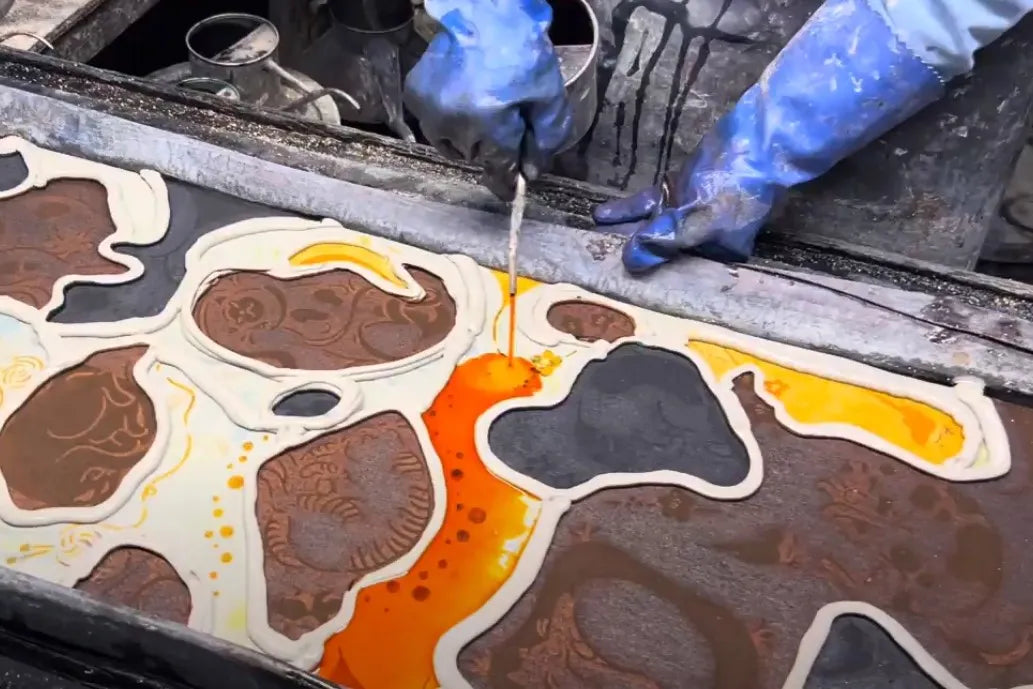
Dyeing. On the dyeing table, little walls of paste are piped around each area, much like icing a cake, and dye is poured into each one. A foot pedal draws the dye down through the stack, so around fifty layers are colored at once. "Dyeing in stacks was designed for mass production," Nakao laughs. "It's a very Osaka way of doing things." The stack is then turned over and dyed from the back too, so unlike a printed cloth, a chusen tenugui is vivid on both sides.

Washing and drying. The excess paste and dye are washed out, the cloth is spun dry in a giant spinner, and the long uncut lengths are hung from a high ceiling to dry slowly in warm air, so that they do not shrink.

A craft at risk
There were once more than fifty chusen dye works in this area. Today only three remain, and there are around twenty in all of Japan. The situation for weavers is even harder: only two weaving workshops nearby have a successor, and many looms are run by craftspeople in their seventies and eighties.
Nakani is an exception, with many young craftspeople on its team. Nakao, who came to Sakai from Shiga Prefecture, says that a riverside neighborhood where weavers, bleachers and dyers all work side by side is something you will not find anywhere else in Japan. "It's not enough for our company alone to survive," he says. "We want to share the appeal of tenugui so that the whole region can keep making them."

The birth of JIKAN STYLE
Miyamoto Co. made tenugui long before 2005, but mostly traditional designs such as flowers, polka dots and festival lettering, sold through wholesalers under other names. JIKAN STYLE was launched in 2005 to create tenugui that people would choose for their design and enjoy for their own sake.
Switching from shipping cases to wholesalers to picking and packing hundreds of designs one by one was a leap of faith. "We really didn't know if it would work," Miyamoto recalls. Today, the reward is seeing their own products sold, and loved, under their own name.

Japan's seasons, with a sense of humor
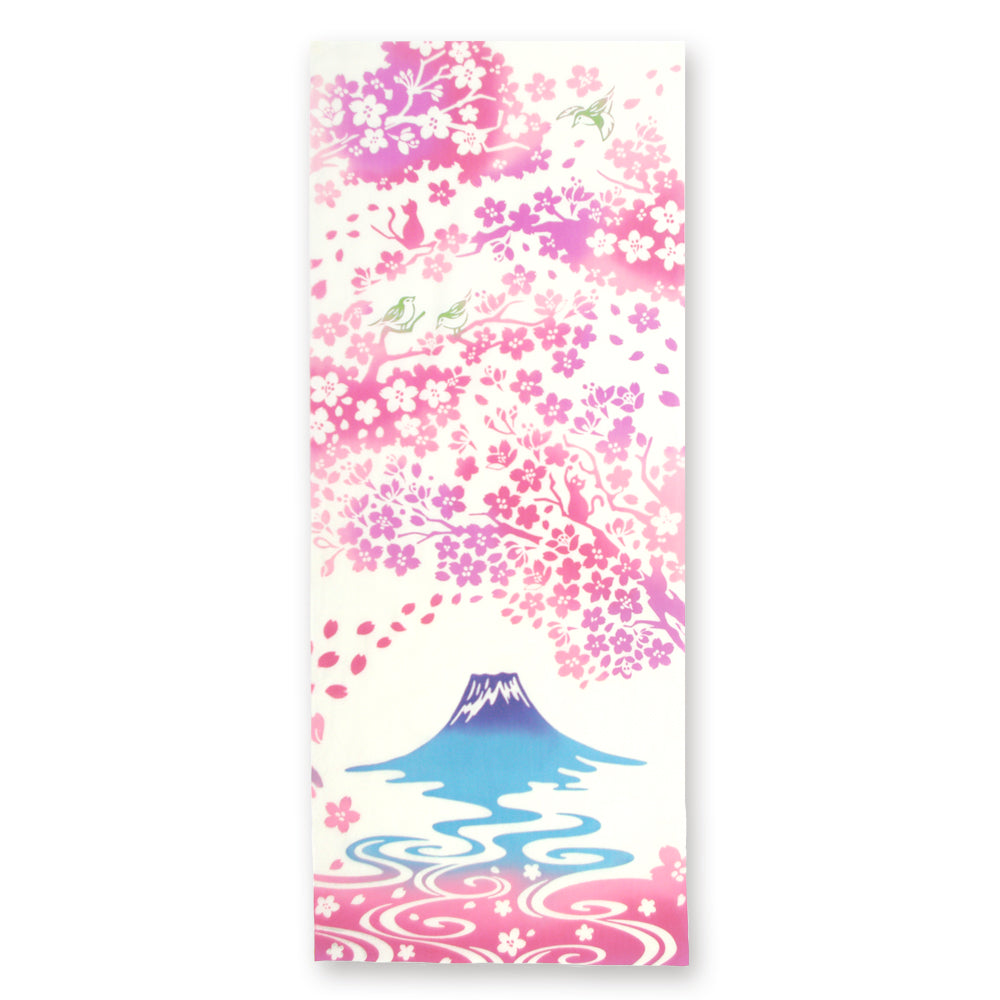
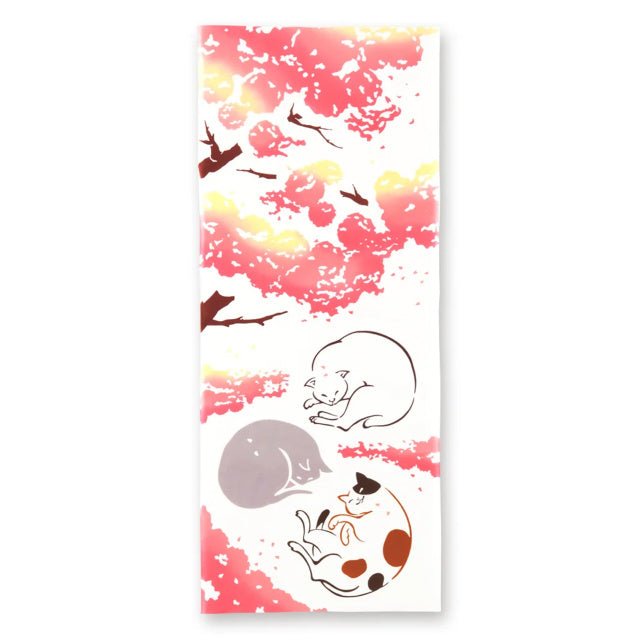
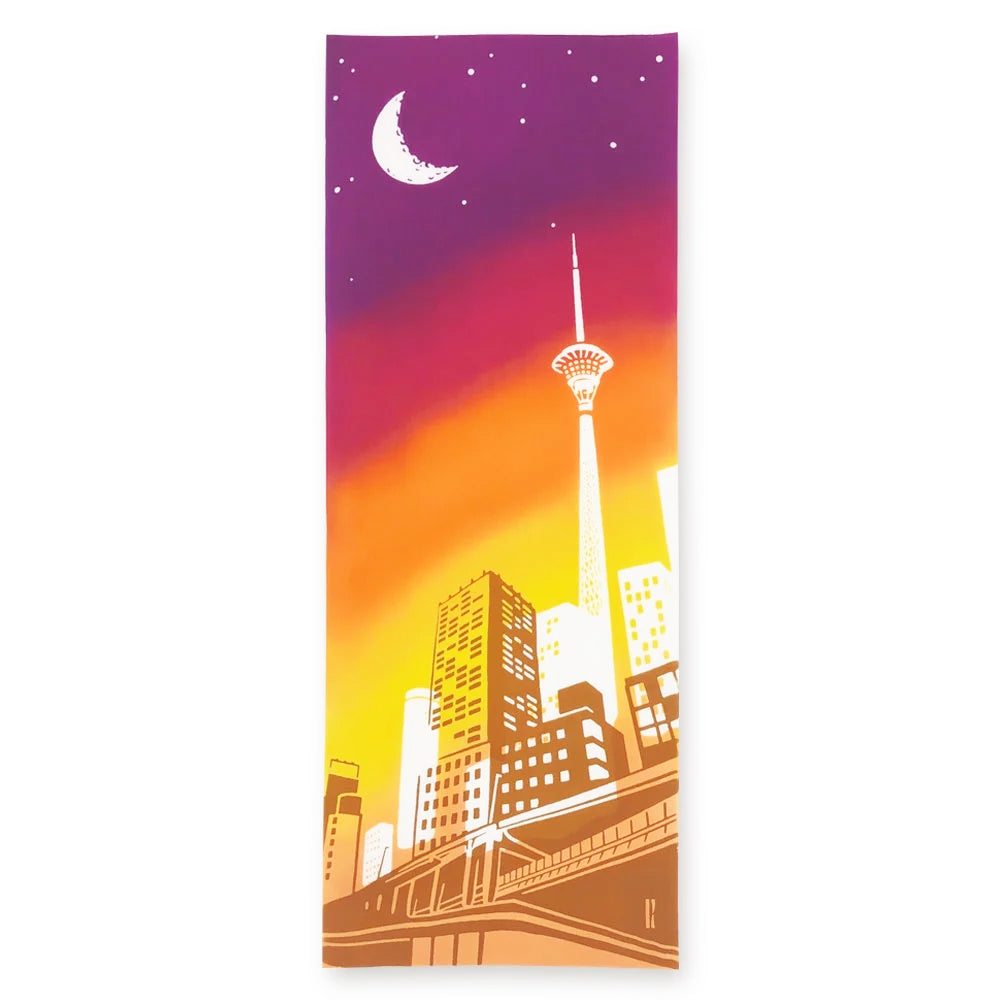
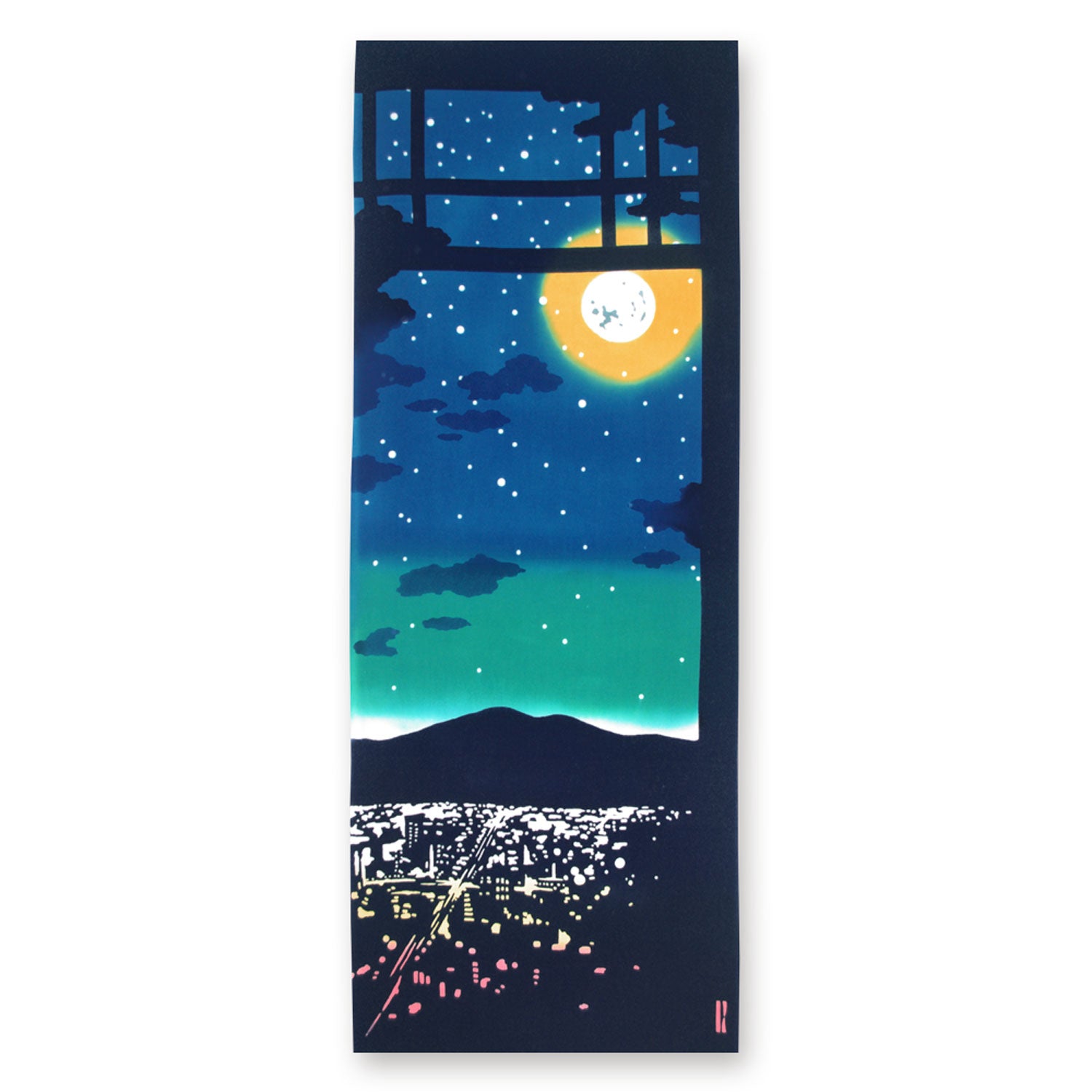
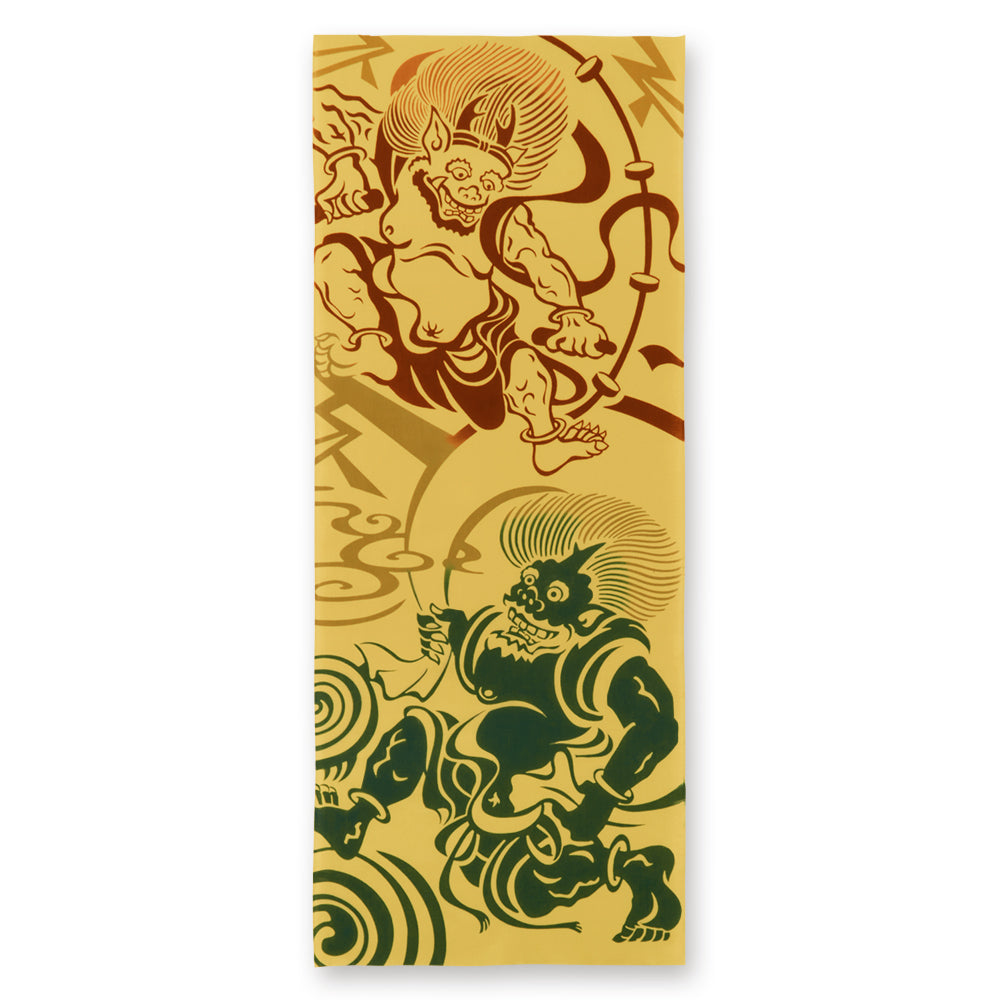
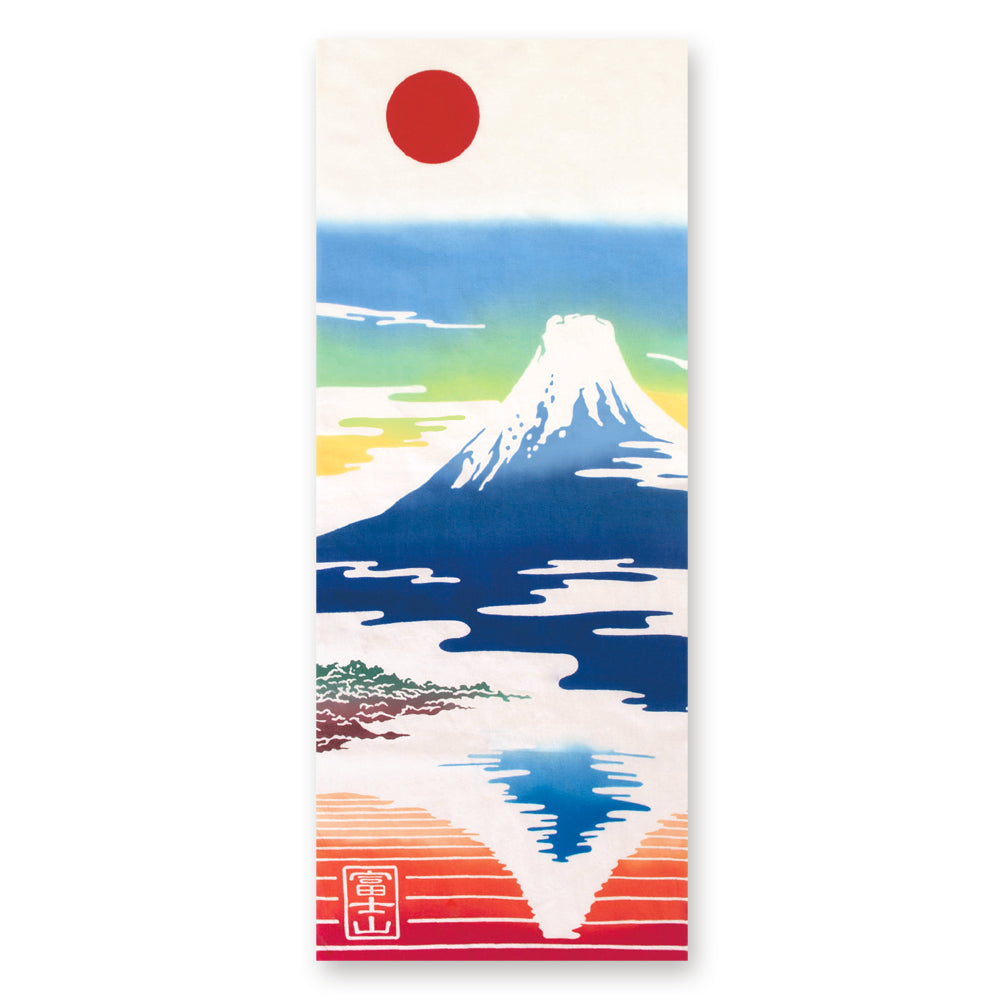
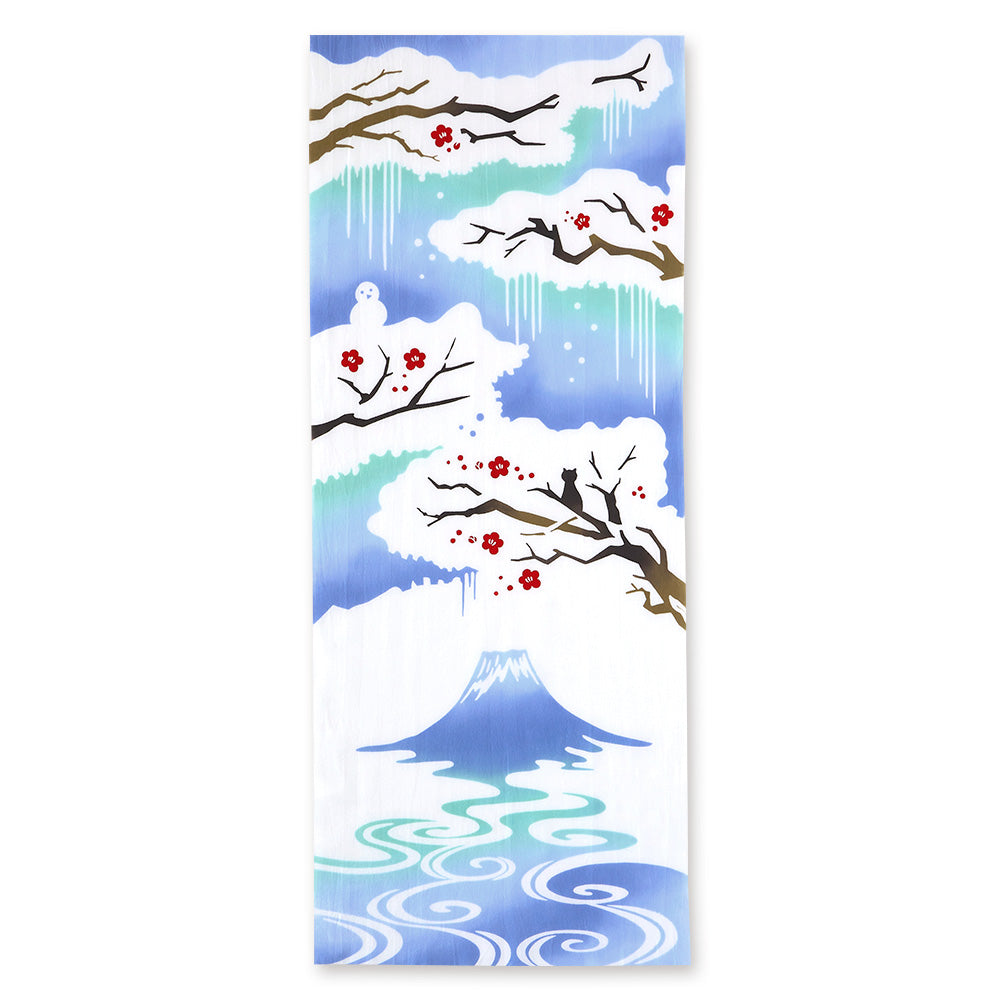
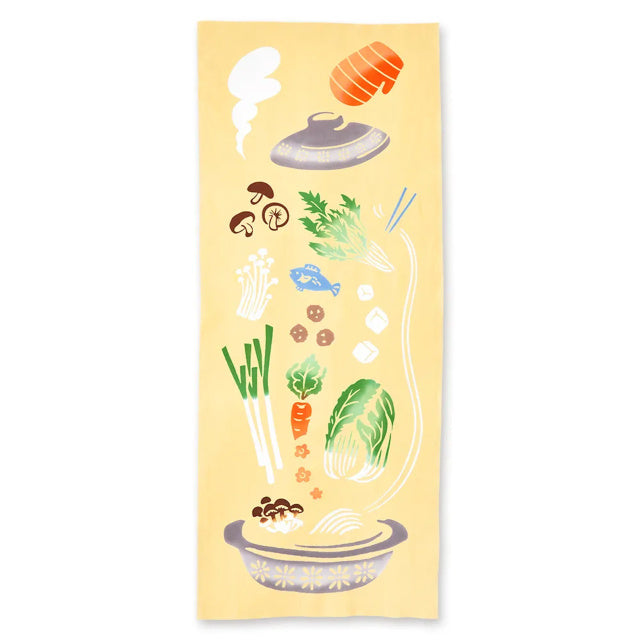
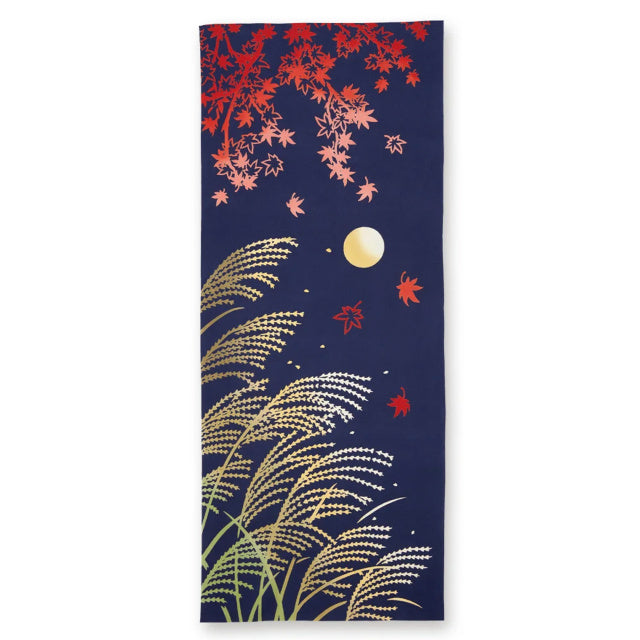
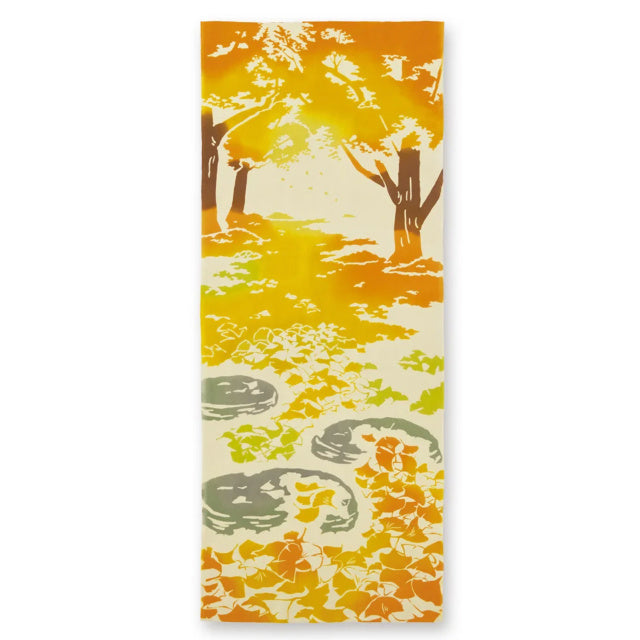
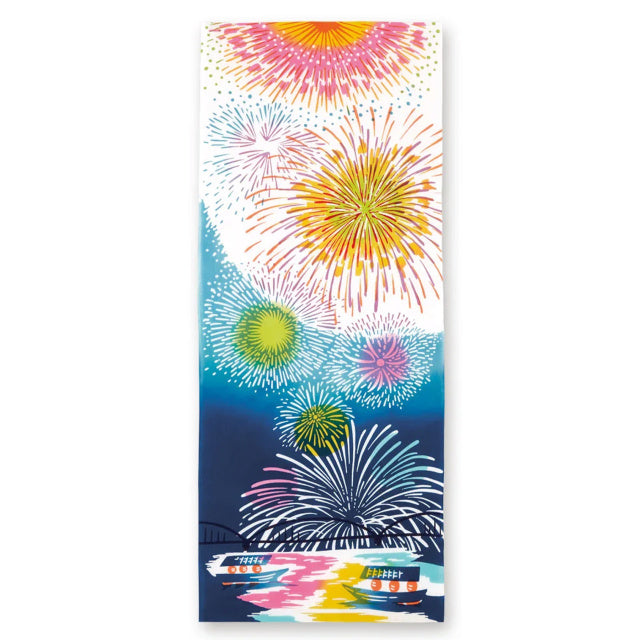
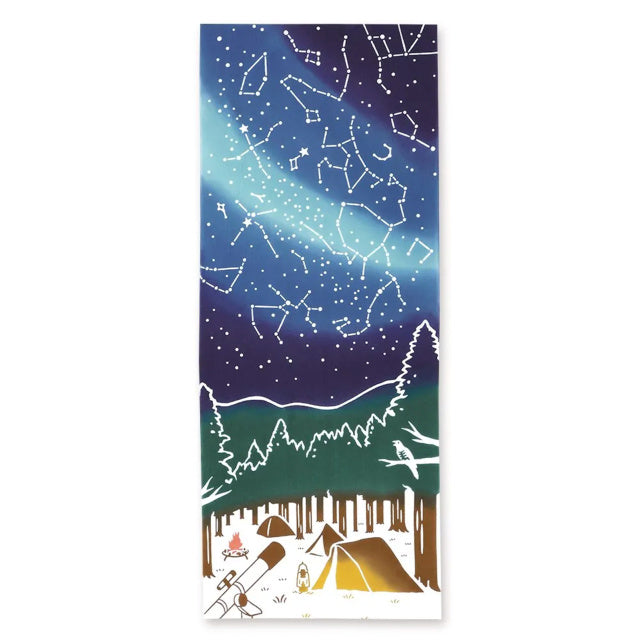
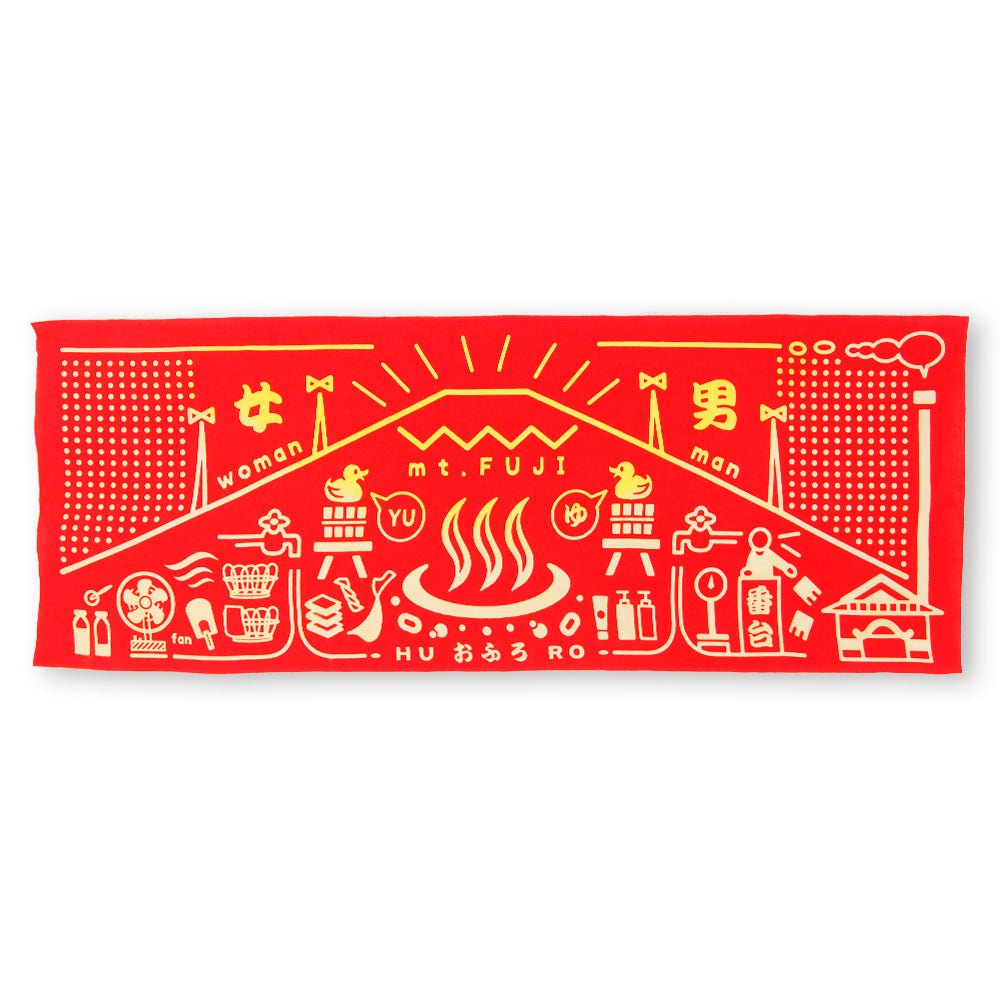
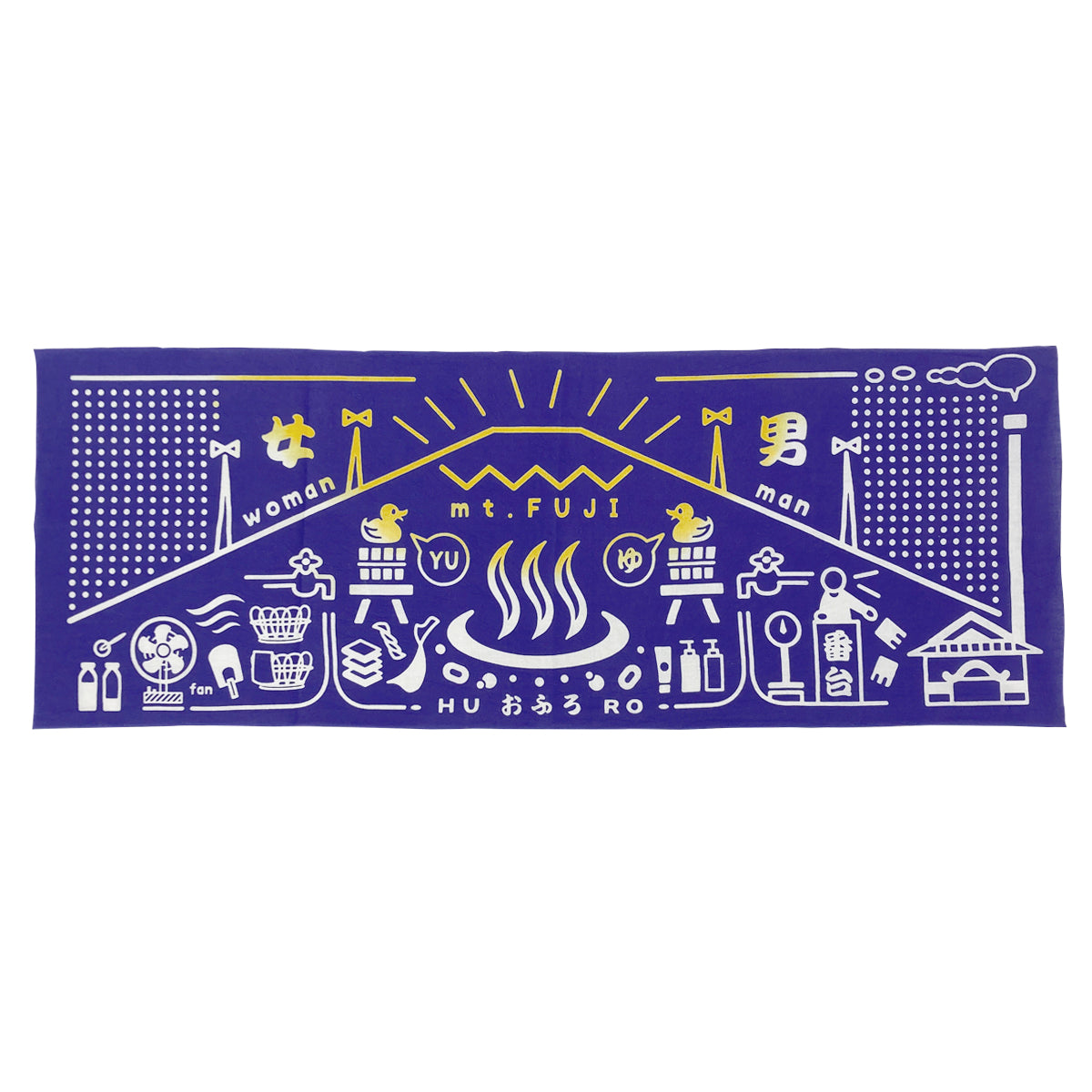
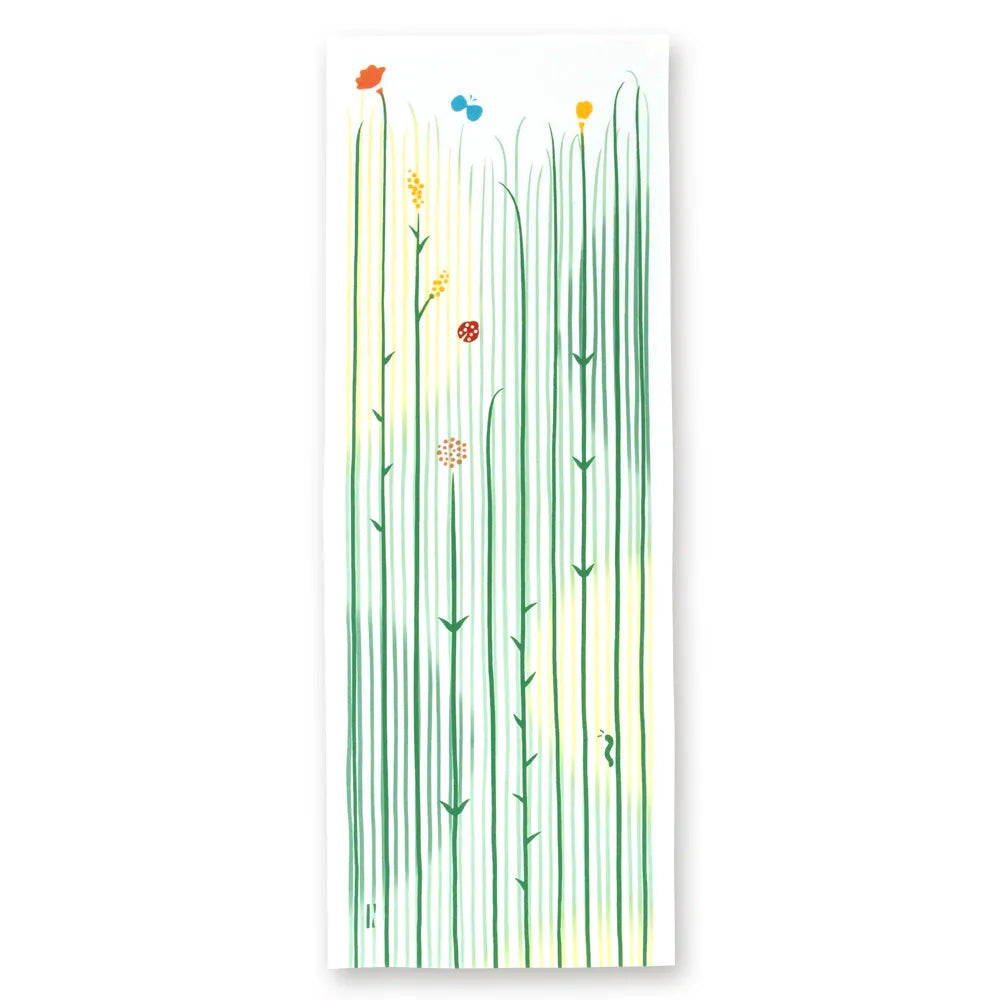
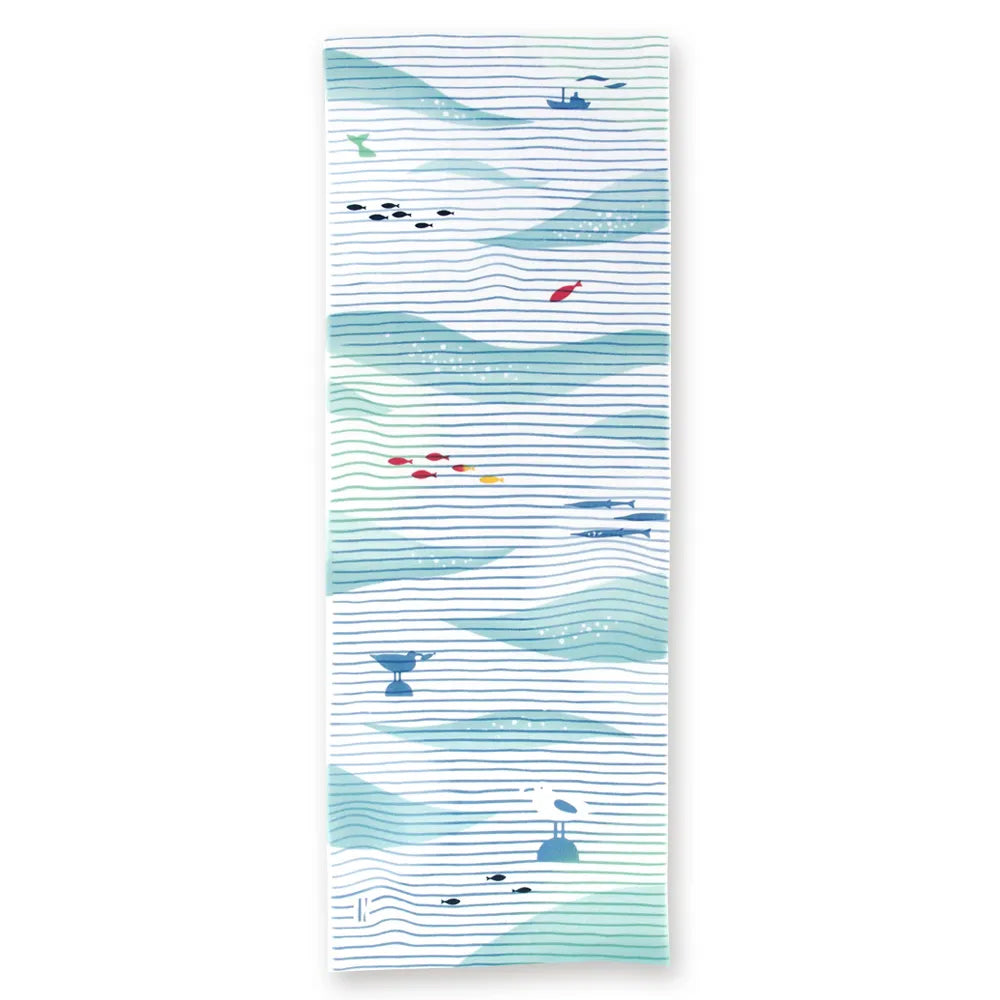
What makes JIKAN STYLE stand out is its designs: seasonal scenes, lucky charms and Japanese culture, drawn with bold color and a playful twist. Each tenugui looks like a small painting. Many visitors from abroad pick them up as souvenirs, drawn to the meaning and humor behind each motif.
Use one as a handkerchief that dries quickly and gets softer with every wash, tie it around a bag, or hang it on the wall. Miyamoto especially recommends displaying tenugui for the seasons: "In an apartment, it's hard to set out big Girls' Day dolls or carp streamers. A tenugui lets you enjoy the season easily, and it folds away small when you're done."

The industry faces real challenges, from successors to shrinking workshops. But after seeing chusen up close, we are convinced that the tenugui still has a great deal to offer. Our thanks to Mr. Miyamoto and Mr. Nakao for their time.