soil: Diatomaceous Earth, Made the Muddy Way
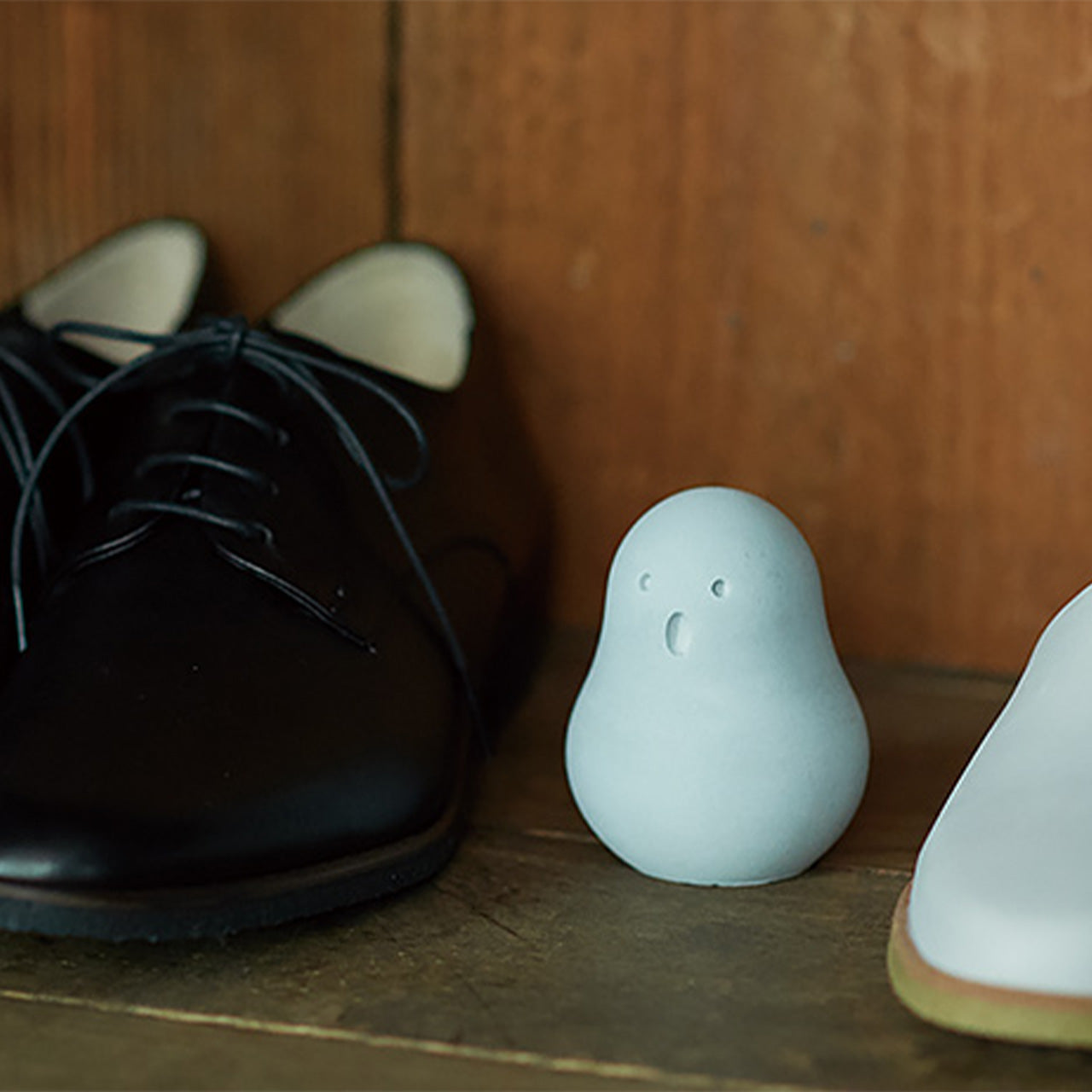
Stylishly designed down to the packaging, soil diatomaceous earth products are popular gifts in Japan. But the place they are made could hardly be more different from the polished products: a muddy, hands-on workshop where everything is made by hand.
How soil was born
soil is a collaboration between Isurugi, a plastering company in Kanazawa, Ishikawa, and ASHCONCEPT, a Tokyo design firm known for pairing traditional techniques with design.

Isurugi has more than 200 years of history as a plasterer and has worked on major buildings and national projects across Japan. New recruits train for a full year before they start.

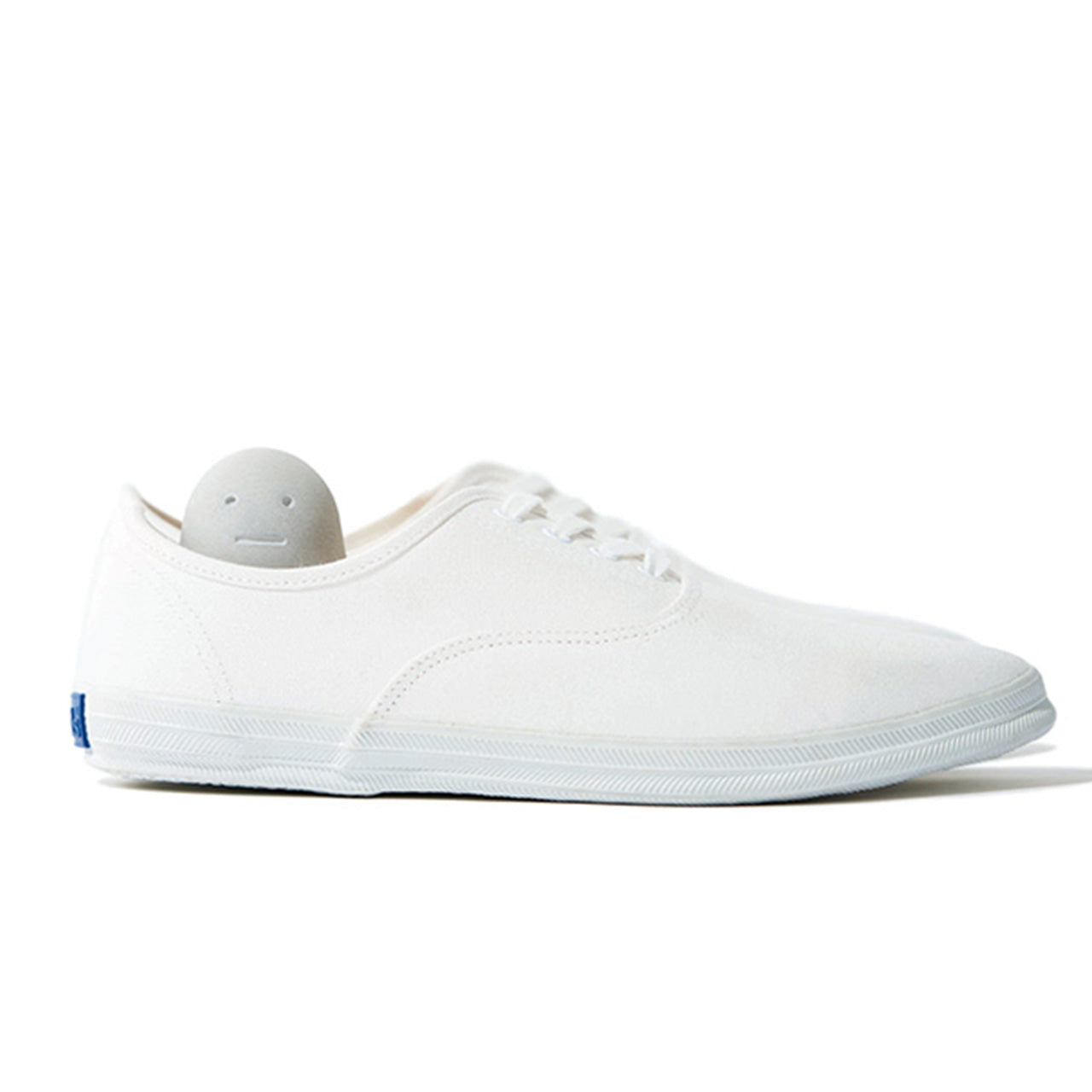
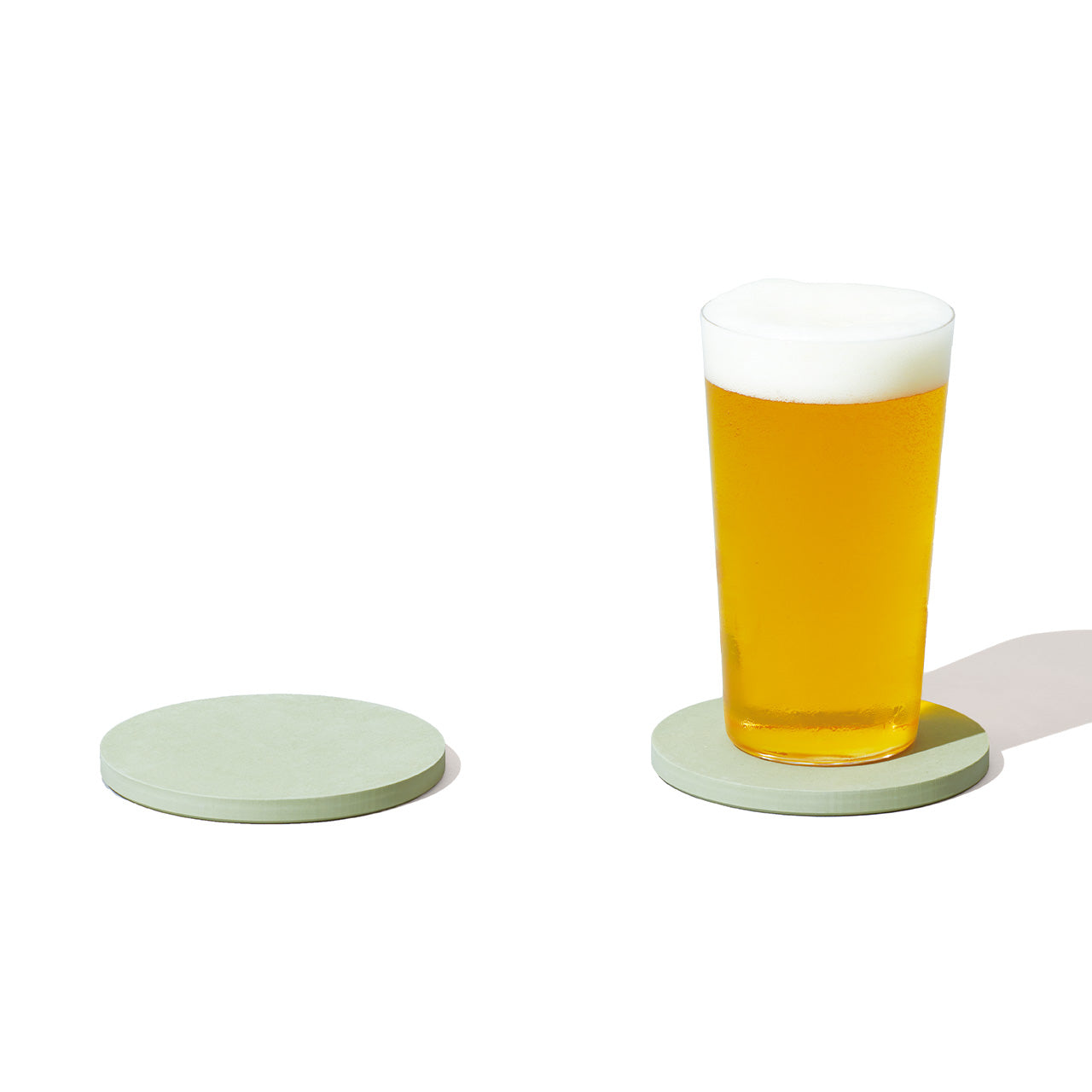
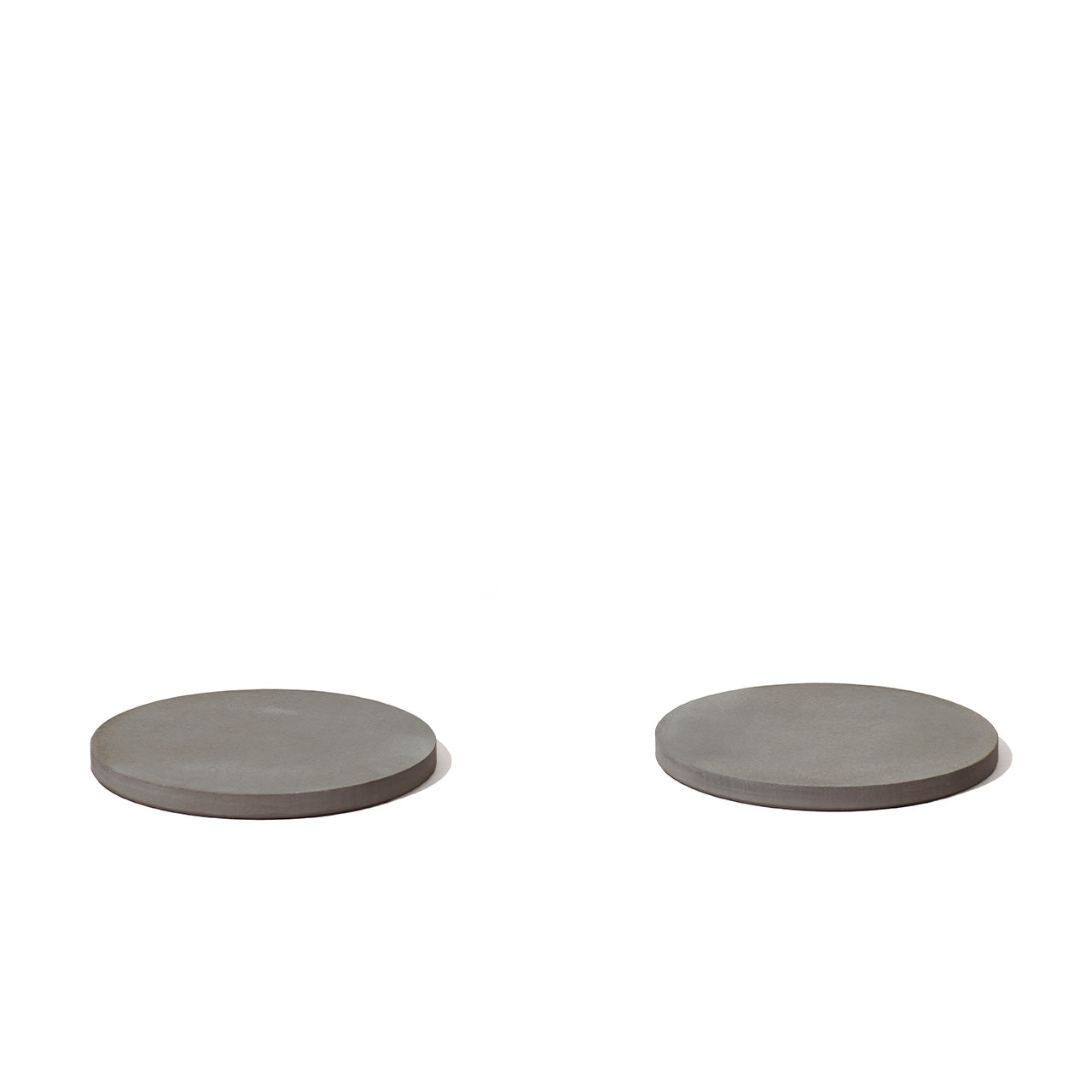
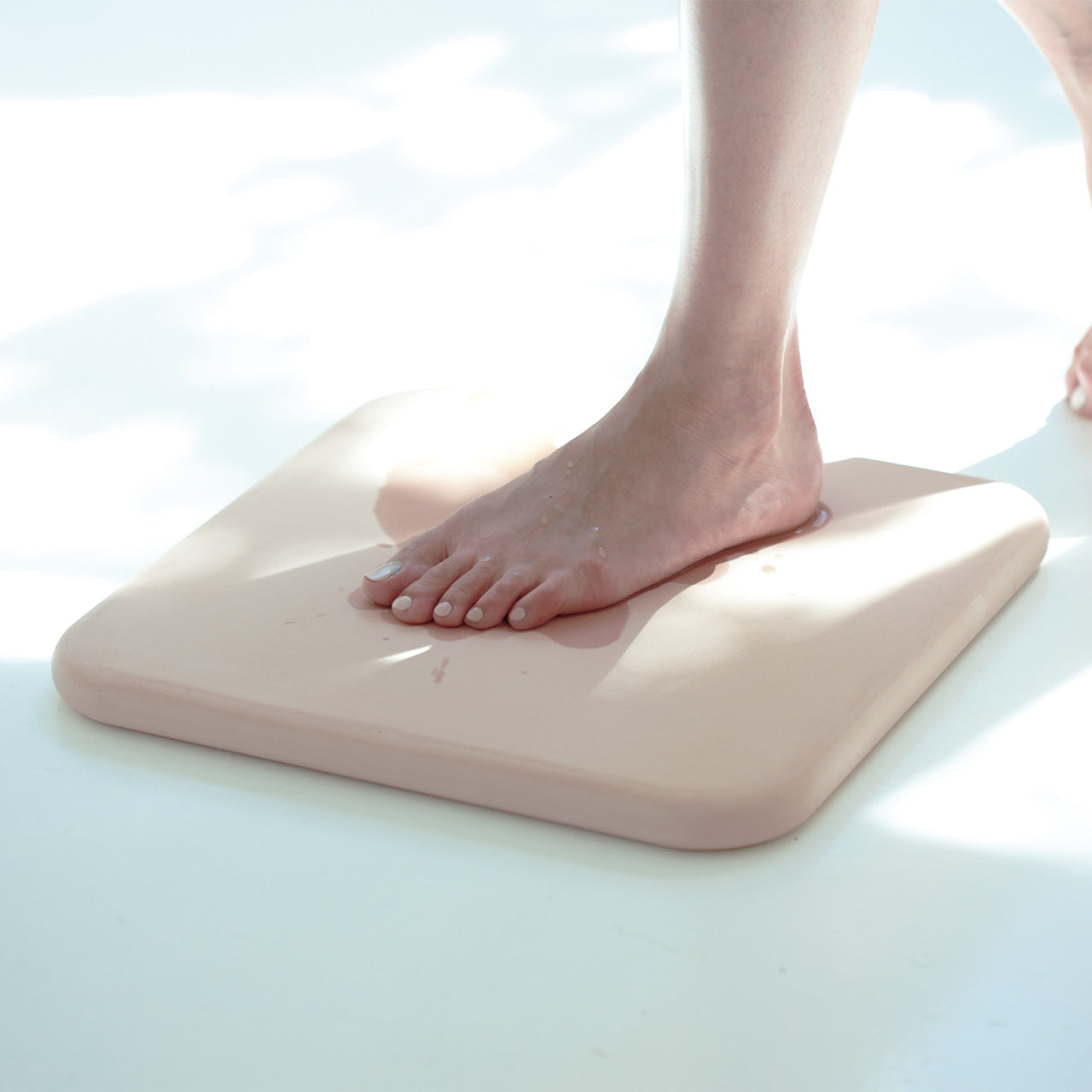
soil uses Isurugi's skills and one of a plasterer's classic materials: keisodo, or diatomaceous earth. Made from fossilized algae, it absorbs moisture and water exceptionally well, and has long been used for walls in Japan's humid climate, where wooden houses need to breathe. As it is used less in walls today, the team applied its properties to bath mats and homewares.
Made 100% by hand
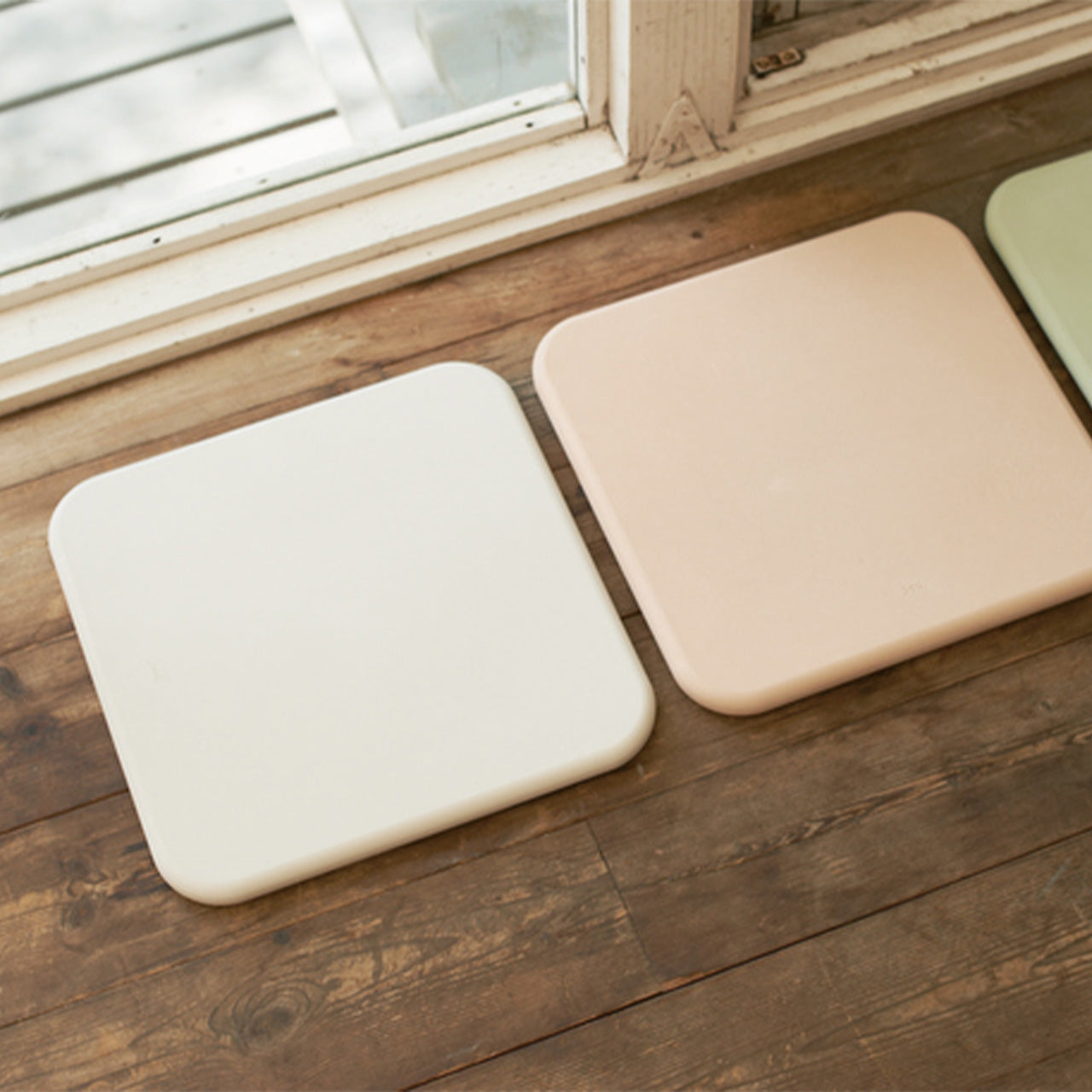
We followed the making of the 100% diatomaceous earth bath mat.
- Pouring. Diatomaceous earth is mixed with water into a mud and poured into silicone molds. The board underneath is struck firmly to drive out air bubbles, which would otherwise make the mat prone to cracking.
- Troweling. As it begins to dry, the surface is smoothed again and again with a plasterer's trowel. The mud dries as they work, so timing is everything.
- Unmolding. Once enough water has come out, each mat is lifted from the mold in one smooth motion. It looks effortless, but an amateur would chip or crack it.
- Finishing. The edges are trimmed with a spatula, sanded with a file, and polished with cloth for a pleasant feel underfoot.
- Drying. The mats dry naturally, without artificial heat, until every bit of moisture is gone.


Because everything is done by hand, there were many failures in the early days, and production often could not keep up. Today the craftspeople have mastered the feel of the material.
Every product, by hand
Apart from three bath mats that contain pulp for strength and are machine-pressed, every soil product is made entirely by hand. For the soap dish, the mud is worked into every corner of the mold. For the drying block, the soil logo is brushed clean with a toothbrush so it comes out crisp.


The powder room container uses araidashi, a plastering technique for walls in which the surface is washed to reveal the texture beneath, giving a subtle sparkle. It takes real strength, and the craftspeople do it piece after piece.


No compromises
Every finished soil product is inspected by one dedicated staff member, and anything with even a small flaw is never sold. The workshop had a good kind of tension in the air. Many similar diatomaceous earth bath mats are now on the market, and some are said to crack easily. We have never heard that about soil, and after seeing the workshop, we understand why: stylish products, made the muddy way, with real care. Our thanks to everyone at Isurugi and ASHCONCEPT.