文章: Nousaku: Four Centuries of Casting, Reimagined in Takaoka

Nousaku: Four Centuries of Casting, Reimagined in Takaoka
Takaoka, a quiet city in Toyama Prefecture on the Sea of Japan coast, is where around 95% of Japan's copperware is made. For this interview, we visited Nousaku, a foundry that has worked with molten metal here for more than a century, and that has become one of the best-known names in Takaoka's craft today.

A town built on metal
Takaoka's story begins in 1609, when the feudal lord Maeda Toshinaga moved into the newly built Takaoka Castle. Only six years later, a nationwide "one castle per province" decree forced the castle to close, and the young town seemed destined to fade.
Instead, his successor Maeda Toshitsune turned Takaoka into a town of merchants and makers. In 1611, seven master casters had already been invited to settle in the Kanaya-machi district, and their craft became the backbone of the city. More than 400 years later, metal casting is still what Takaoka is known for.
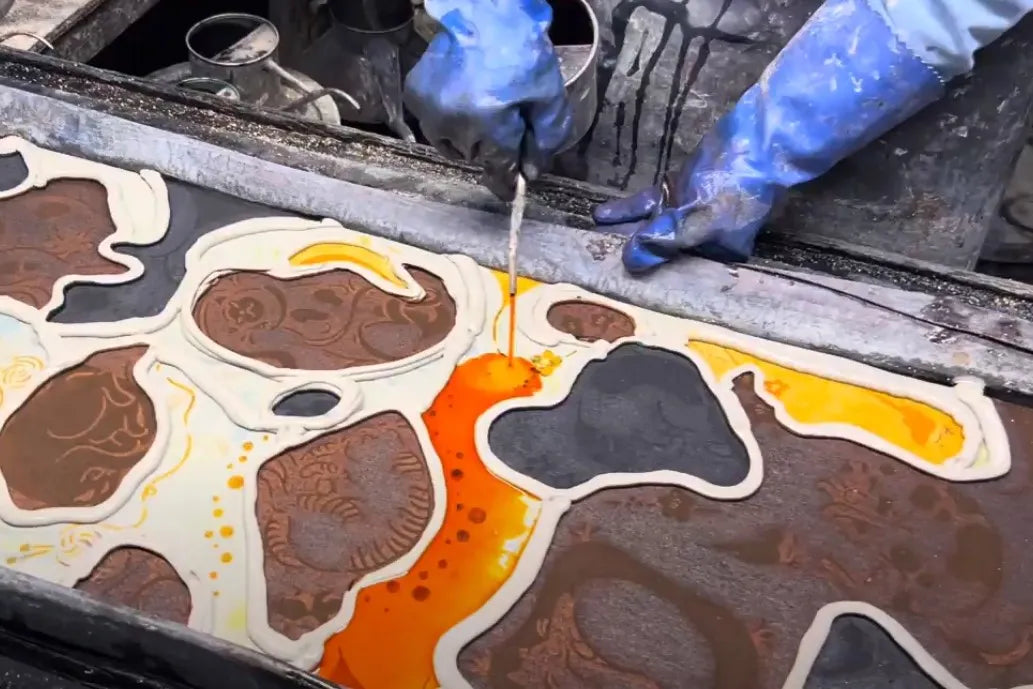
Casting is a simple idea: metal is melted, poured into a mold, and left to cool into shape. Doing it beautifully, again and again, is anything but simple.

From altar fittings to the modern table
Nousaku was founded in 1916, using Takaoka's casting traditions to make Buddhist altar fittings. For decades its work centered on altar pieces, tea ceremony utensils and flower vases.
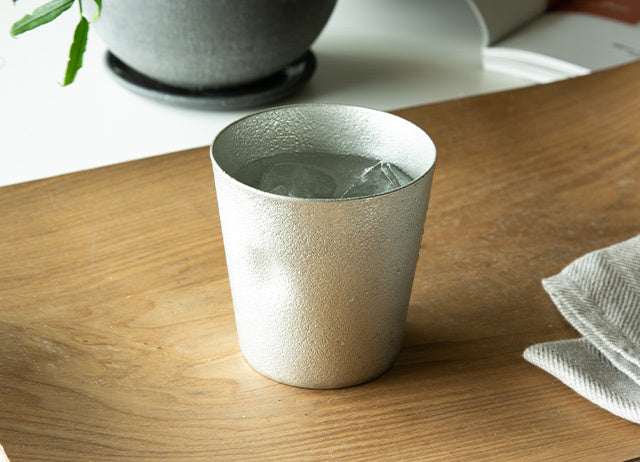
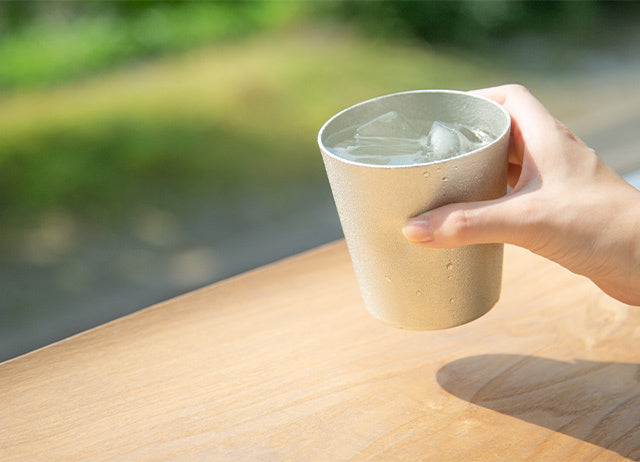
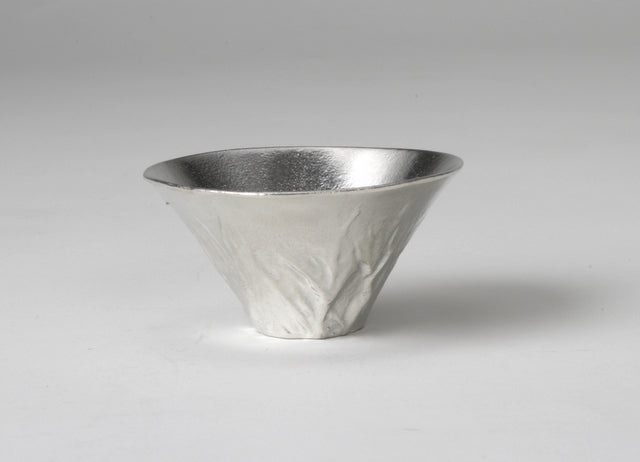
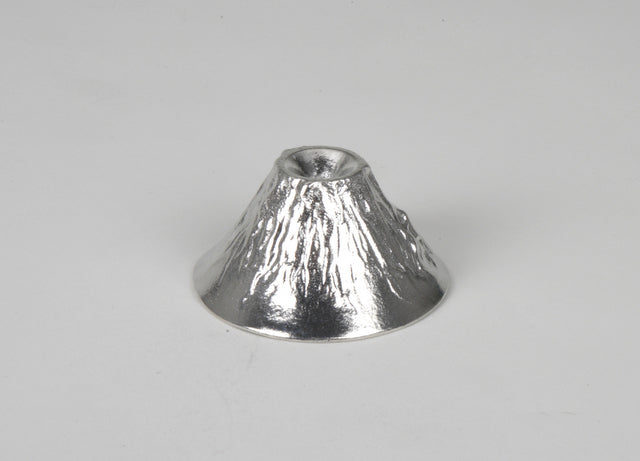
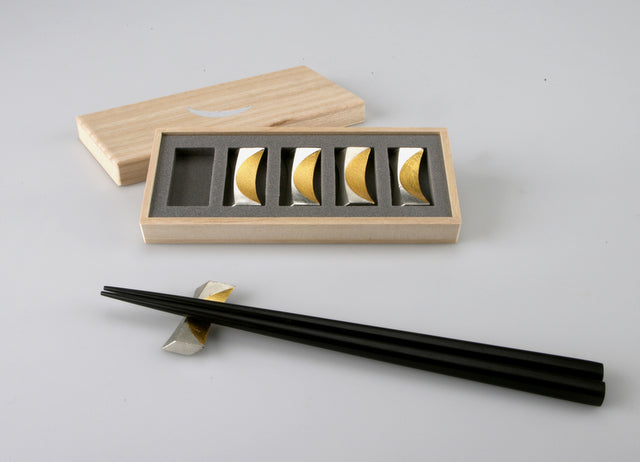
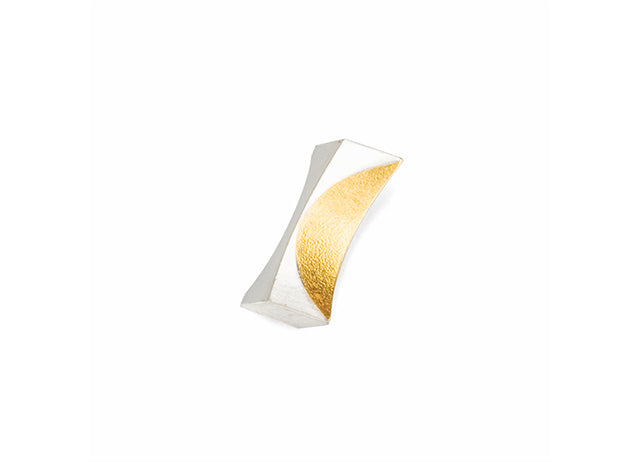
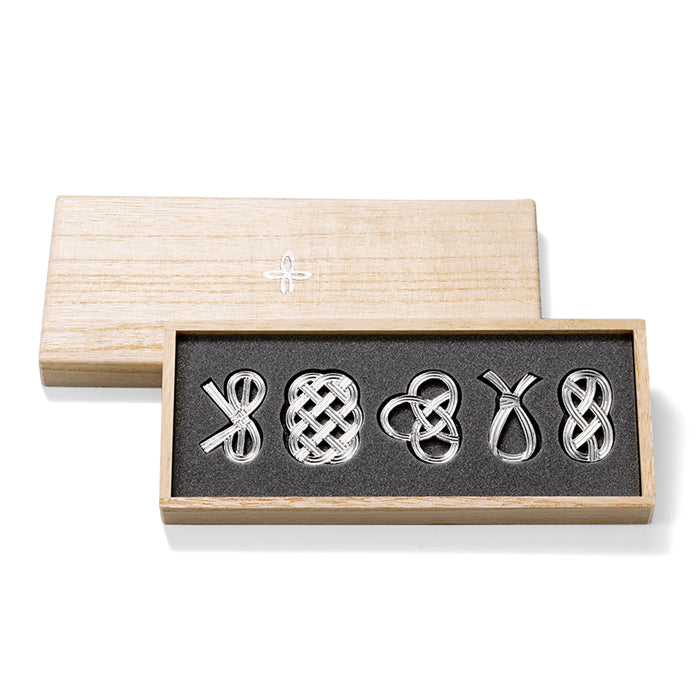
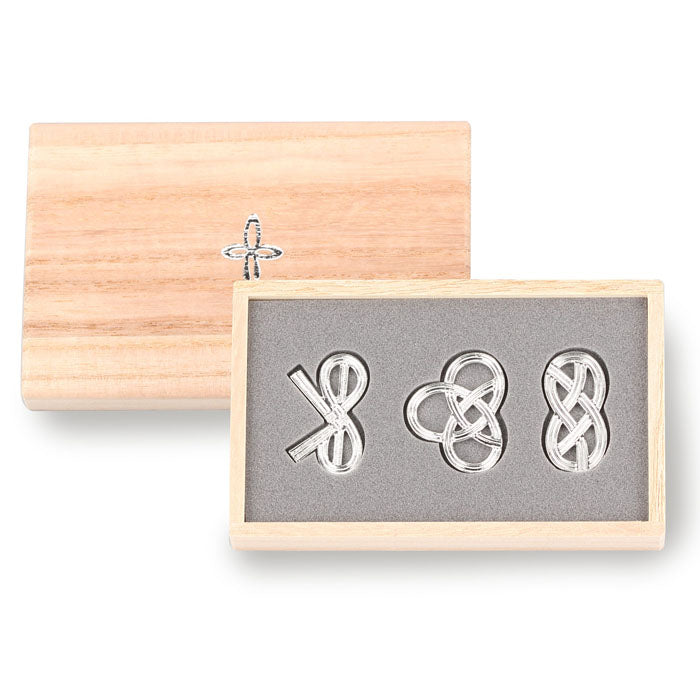
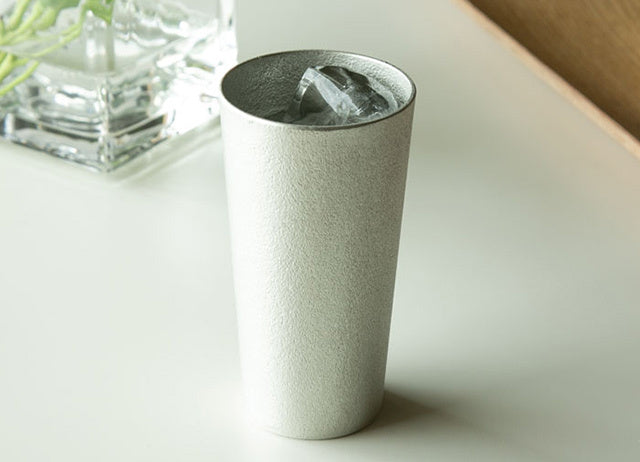
Today the same skills go into tableware, interior pieces and everyday objects: tin cups and bowls, brass vases, chopstick rests and wind chimes. Alongside techniques passed down for four centuries, the company also explores new methods such as casting in silicone molds.

"Make better castings, and make them well"
Nousaku's guiding principle can be summed up in one line: make better castings, and make them well. At Nousaku, design never runs ahead of the material. Each form starts from what the metal and the technique can do, so that design, material and craft come together as one object.
The result is a range that keeps renewing itself while staying rooted in tradition: pieces that feel distinctly Japanese, and distinctly of today.

A fresh wind in a craft town
Many of Japan's traditional craft regions are struggling with fewer young makers and shrinking demand. Takaoka faces the same pressures, yet walking through Nousaku, we felt no sense of decline. If anything, it felt like a fresh wind was blowing through the town.
Nousaku works side by side with other local makers to bring energy back to Takaoka, and it actively trains young craftspeople. Its stated goal is to create things that are loved by people and that the region can be proud of. Judging by what we saw, it is well on its way. The company has also received a special award in Japan's "Companies We Most Want to Cherish" prize, which recognizes businesses for the way they treat their people and their community.

Why Nousaku feels so good in the hand
Pick up a Nousaku piece and you will notice something that is hard to put into words: a quiet, reassuring comfort. After spending time in the workshop, we believe it comes from the care that goes into every step, from pouring the metal to the final polish.
We left Takaoka feeling we had glimpsed what Japan's small makers can become. Our thanks to everyone at Nousaku for making time for us.

![[Gift set] 富士山 FUJIYAMA 锡与金箔清酒套装 - Nousaku-](http://nihon-iimonoya-global.com/cdn/shop/files/nou-20-13.jpg?v=1742639486&width=640)
![[Gift set] 富士山 FUJIYAMA 锡与金箔清酒套装 - Nousaku-](http://nihon-iimonoya-global.com/cdn/shop/files/nou-20-12.jpg?v=1742639486&width=640)