Mizutori Kogyo: Reinventing the Geta in Shizuoka
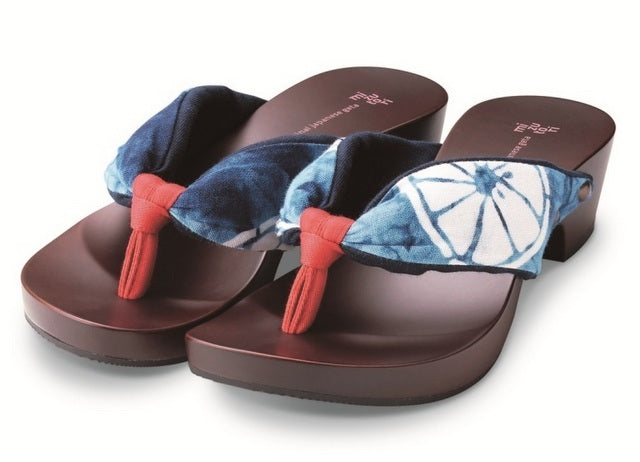
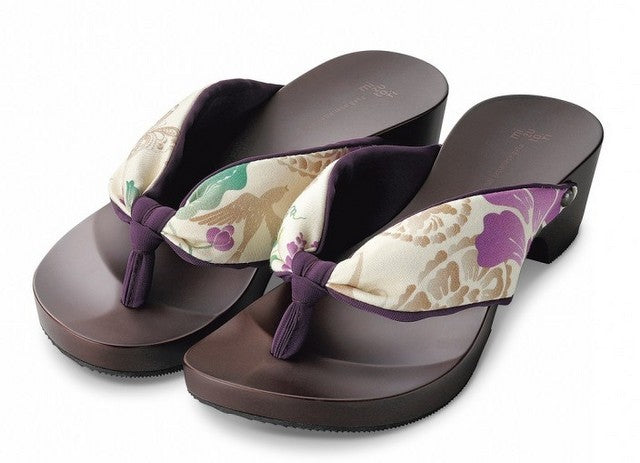
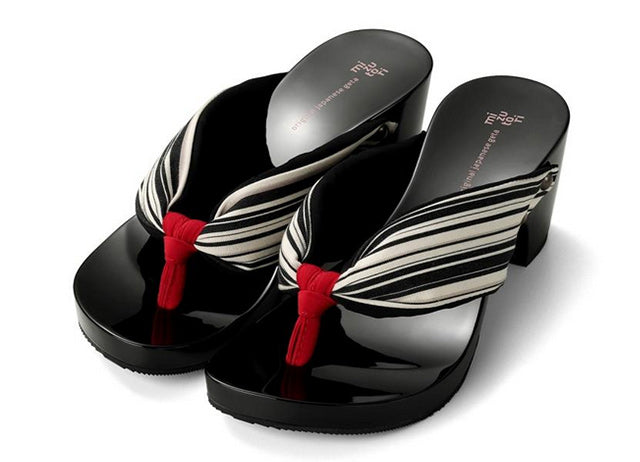
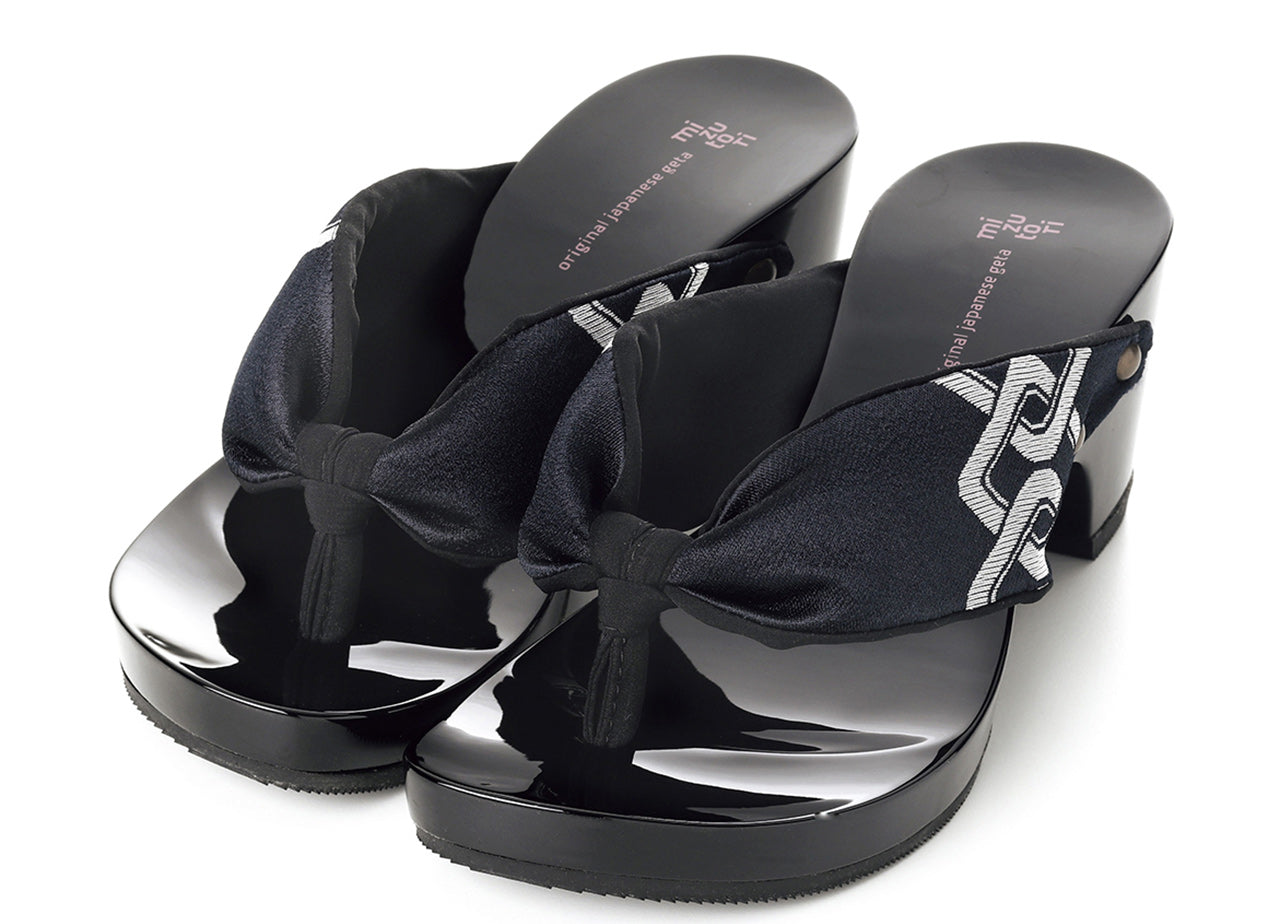
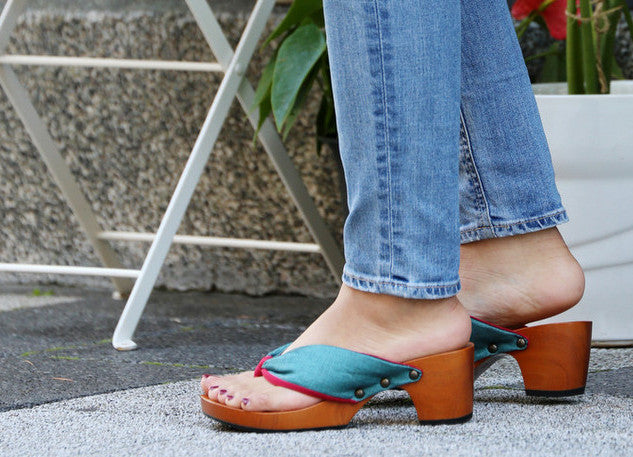
Geta, the wooden sandals Japan has worn for centuries, have mostly disappeared from everyday life. Mizutori Kogyo, a footwear maker in Shizuoka, has made it their mission to bring them back, as "the most comfortable geta in Japan."

From geta to shoes, and back again
Shizuoka has been a center of footwear making for generations, and Mizutori Kogyo has been part of that story since 1937. The company began by carving wooden bases for geta. As Japan moved from geta to sandals and then to shoes, Mizutori moved with it, making sandals and later processing shoe insoles. Along the way, it built up the skills, knowledge and people to become true specialists in comfort.
Then the company made a choice: instead of following trends, it would start a new one. It returned to its roots as a geta maker, determined to create geta that look beautiful and feel comfortable even after a full day of walking.

Made to be worn every day
At the heart of everything is one wish: to let people around the world discover how good geta can feel. Every detail is designed for comfort.
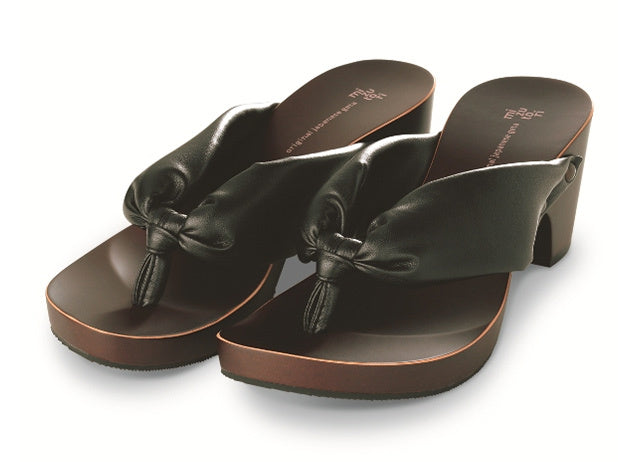
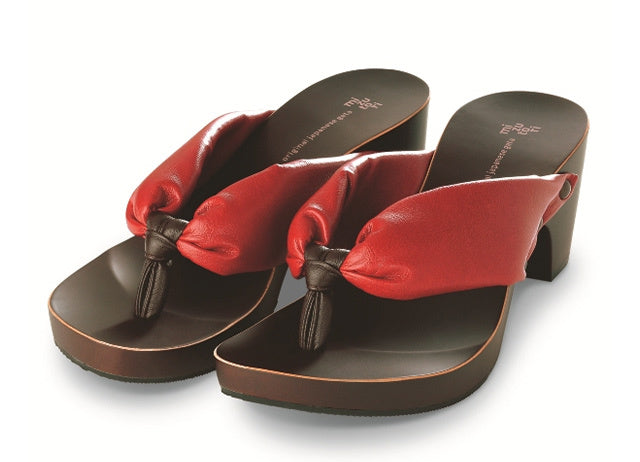
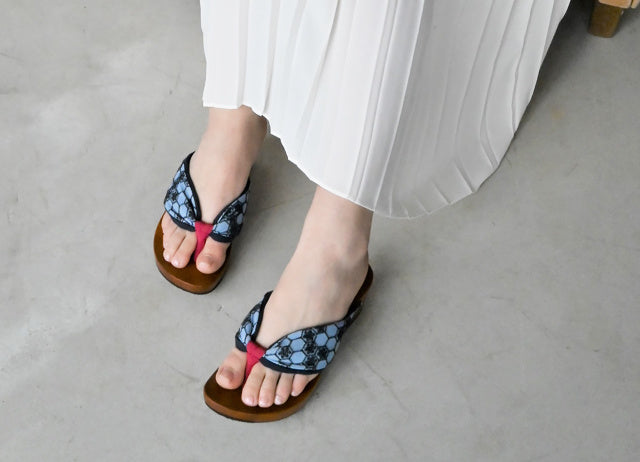
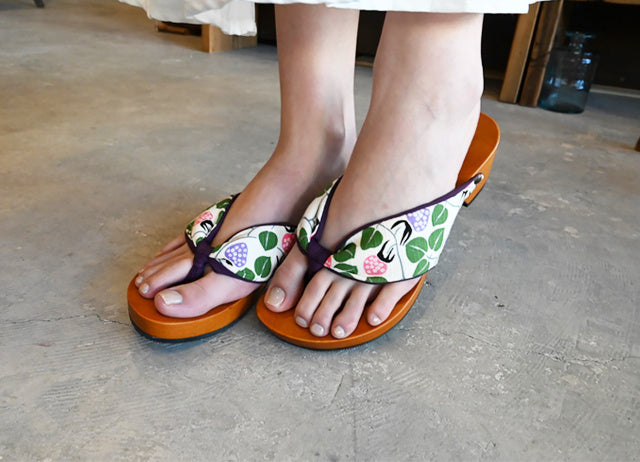
- The base is carved by hand, one at a time, to follow the shape of the sole of the foot.
- The straps are cushioned, so they do not rub even when worn for long hours.
- The soles are synthetic rubber, so the geta are quiet when you walk.
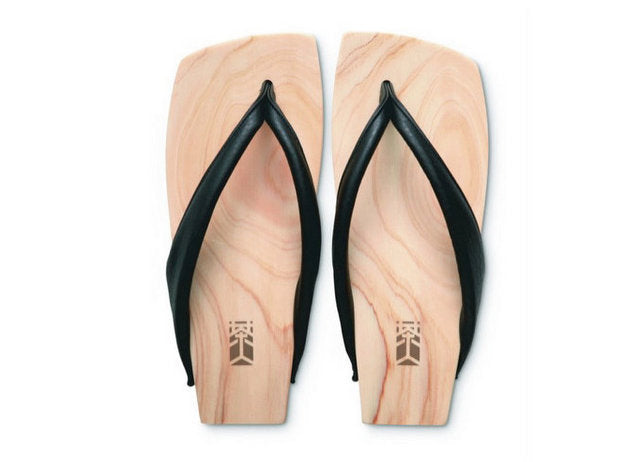
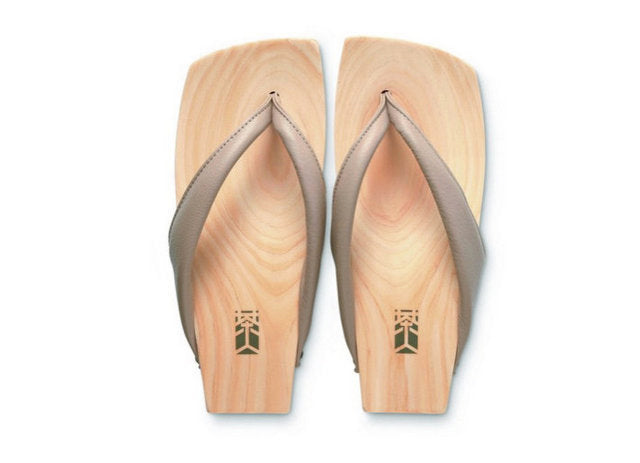
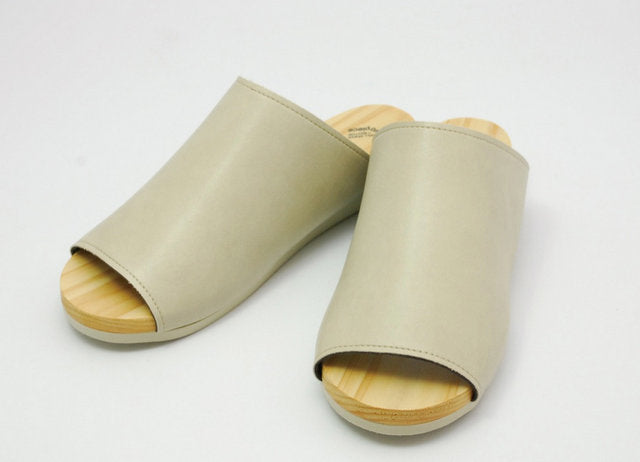
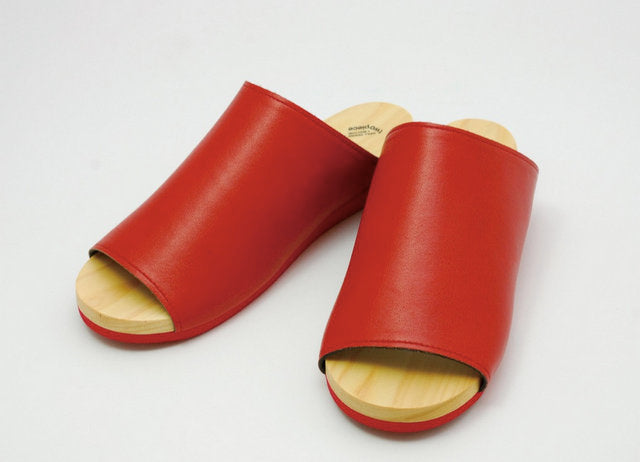
- The wood feels pleasant against bare skin. Some models, such as the men's "Chajin" and the "Two-piece" room shoes, use hinoki cypress from Shizuoka.
In joint research with Shizuoka University, wearing Mizutori's hand-carved geta was found to improve blood flow in the soles of the feet, help with "floating toes," and have a relaxing effect. Design matters just as much: the company has won numerous design awards and has worked with many designers.


"Geta evolve in times of peace"
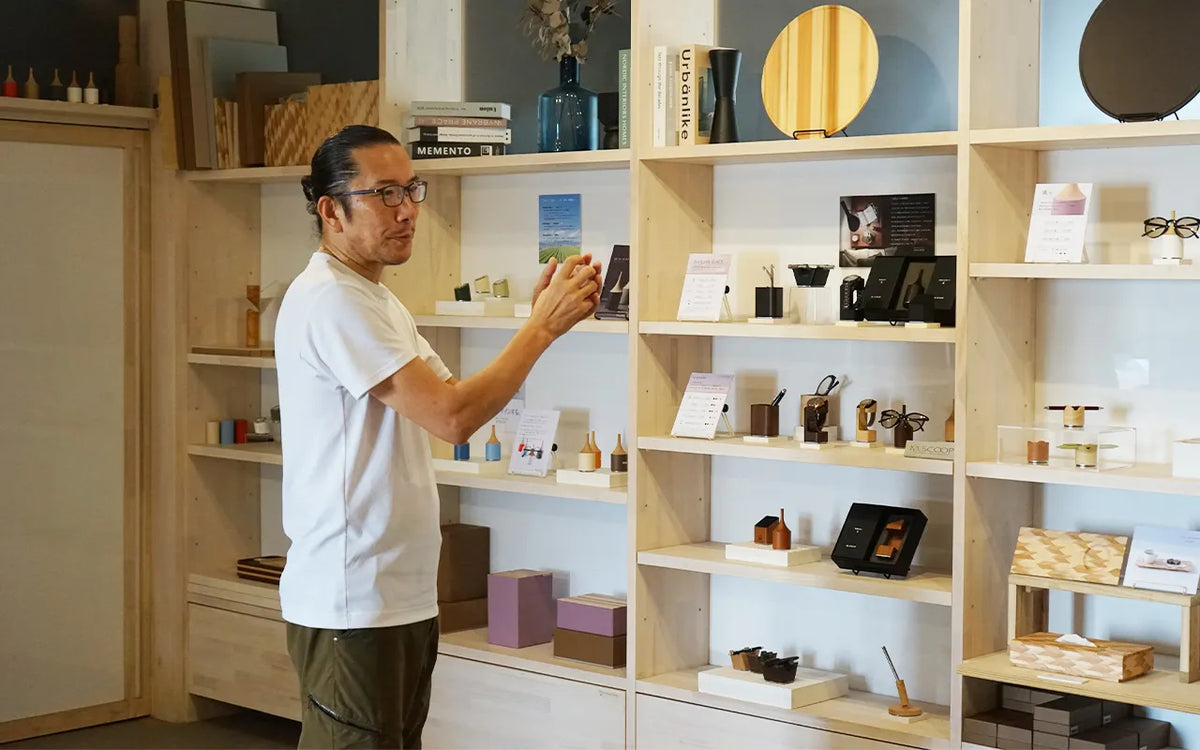
President Mizutori describes geta as "footwear that evolves in times of peace," and hopes for a world where people can always live wearing geta.
In the workshop
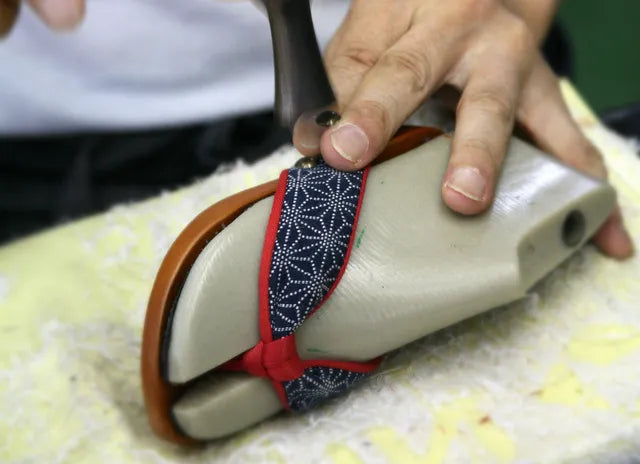
We watched craftspeople quickly set the straps in place and then fix them with small round nails, one by one. We were also surprised to learn that a craftsman from Brazil, captivated by Mizutori's geta, had come to work in the workshop. The journey from a small company in Shizuoka to the rest of the world has already begun.


Our thanks to everyone at Mizutori Kogyo for showing us their work.