Onishi Seisakusho: Handmade Pens from Higashiosaka
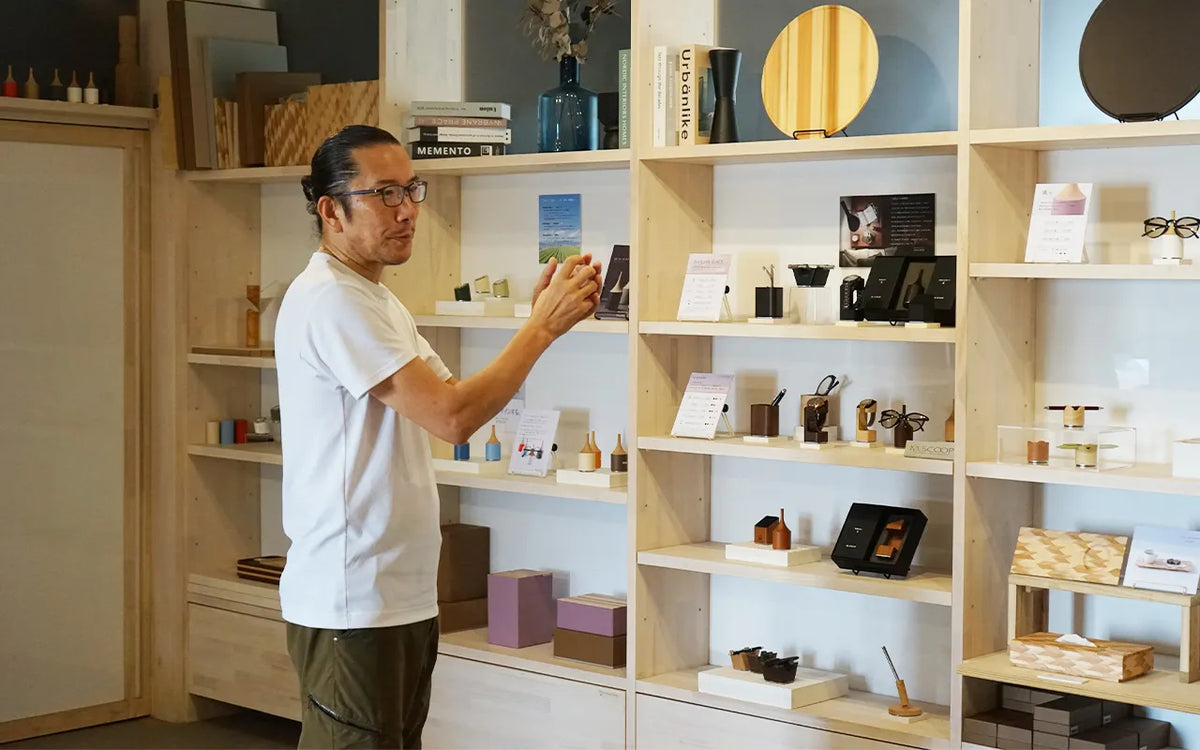
Higashiosaka, on the eastern edge of Osaka, is one of Japan's great manufacturing towns. Here we met Keizo Onishi of Onishi Seisakusho, a pen maker who crafts fountain pens, ballpoints and mechanical pencils entirely by hand, one at a time.

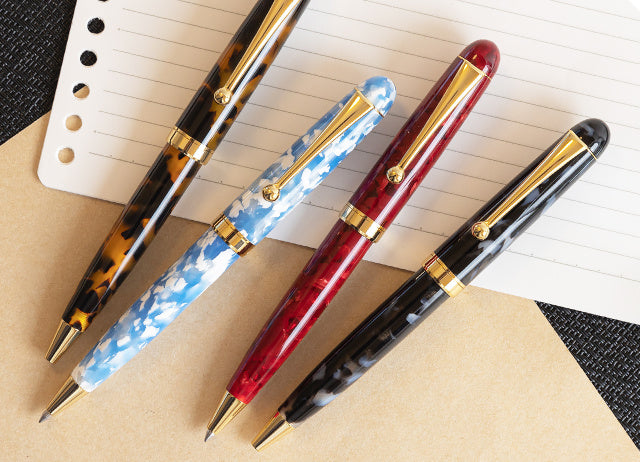
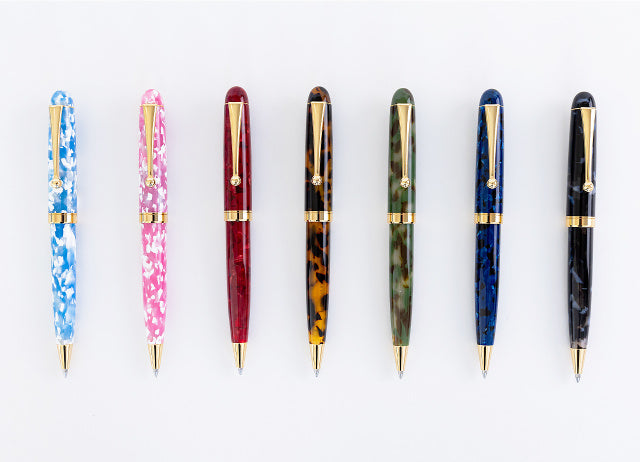
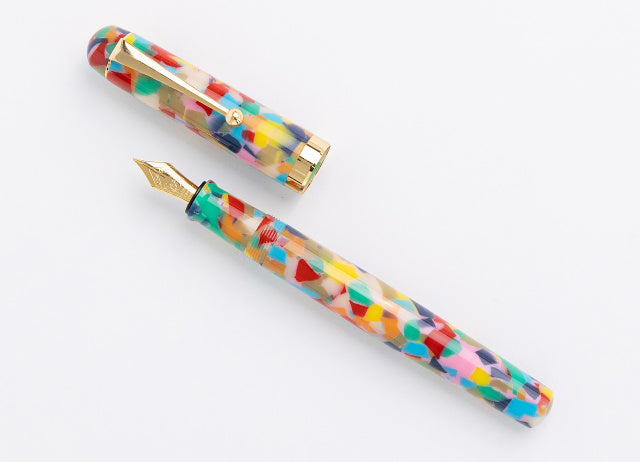
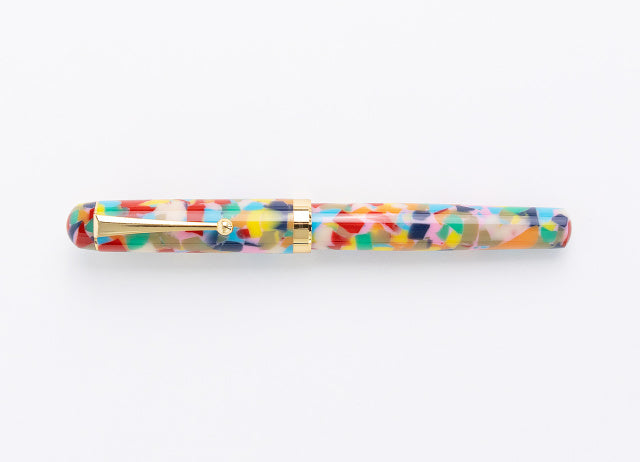
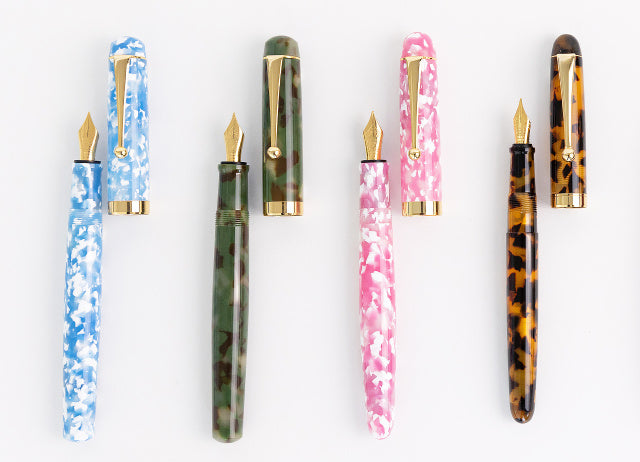
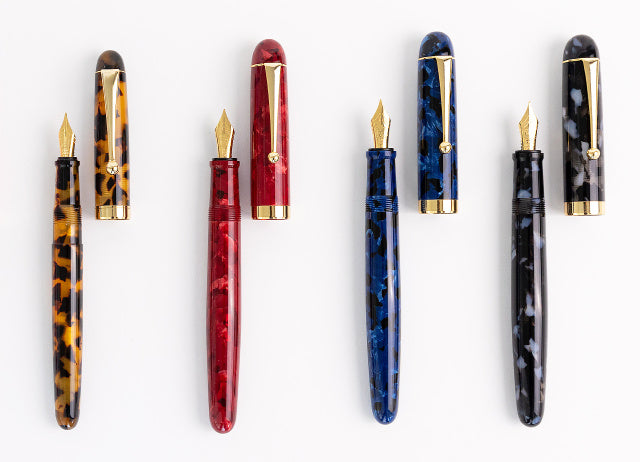
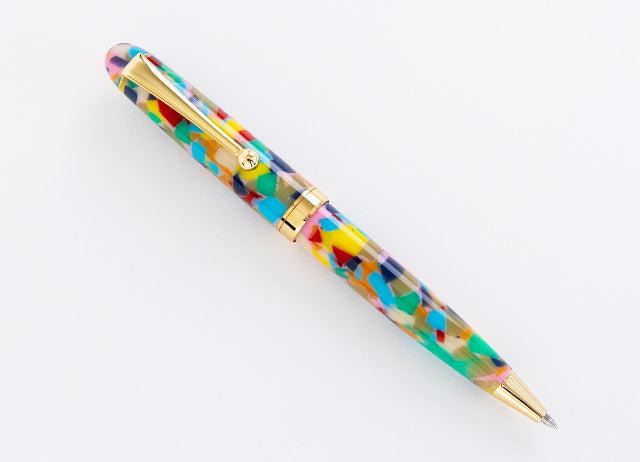
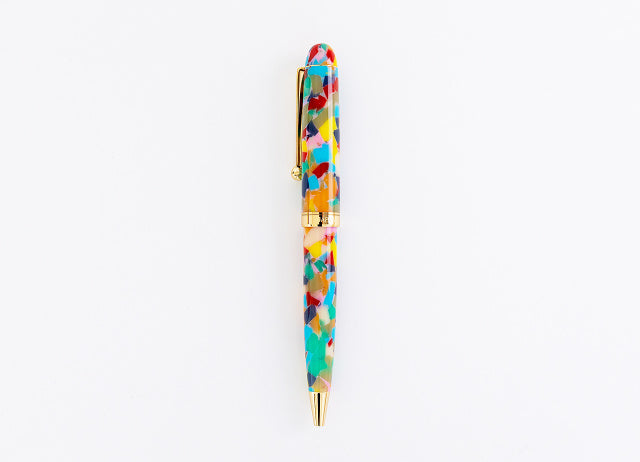
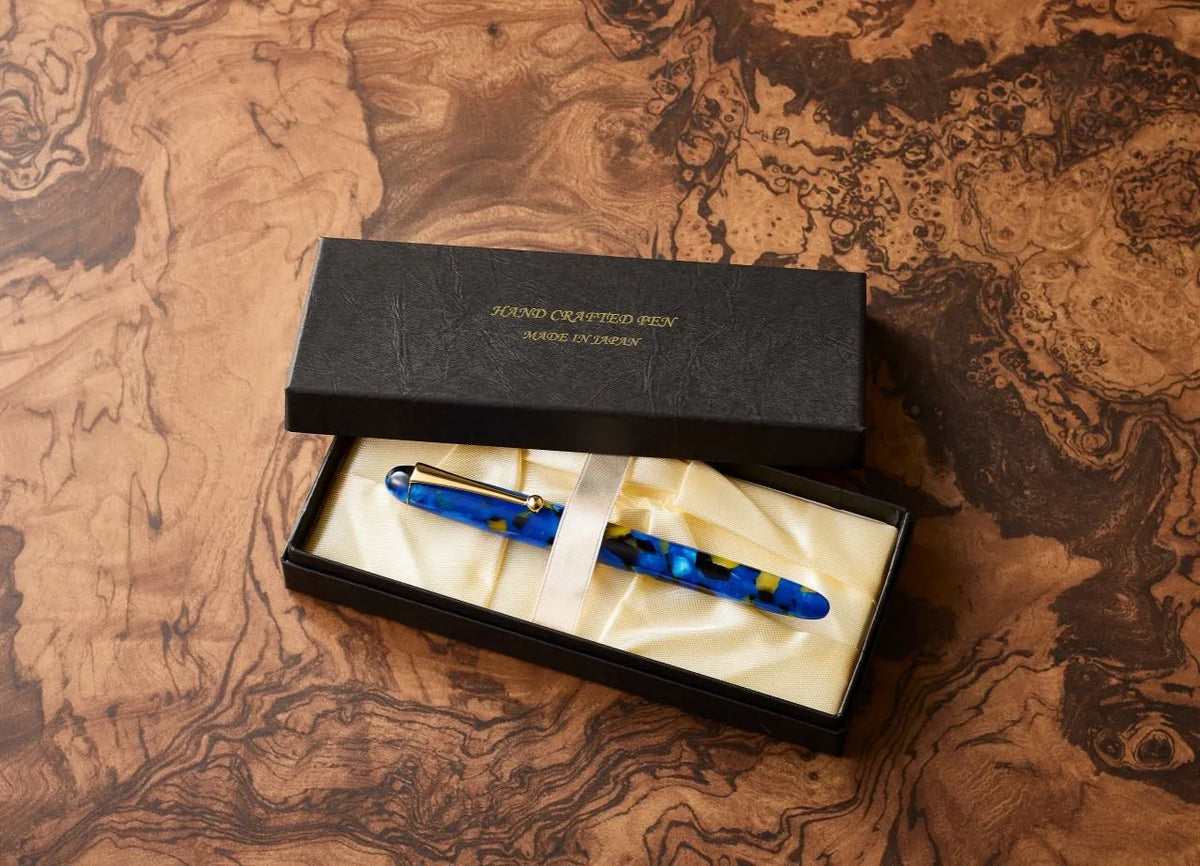
His pens are known for their vivid, glowing colors and patterns, the kind that make writing feel like a small occasion, and they make wonderful gifts for anyone.
Starting a company after retirement
Onishi Seisakusho was founded in 2010, when Mr. Onishi was 68. Starting a business at that age sounds daunting, but he simply laughs: he has worked with writing instruments since he was 15. Spending more than 65 years on one craft is something you can only do if you love it.

Into the world of pens at 15
Born in Ehime Prefecture, Mr. Onishi moved to Osaka after school to find work and joined a pen maker as a live-in apprentice. About ten young workers lived on site. They rose early to clean, worked from 8 a.m. to 6 p.m., and had about three days off a month. It was a hard life, but it was where he learned the foundations of fountain pen making.
At the peak of the fountain pen era, Japanese pens were exported widely, to Taiwan and the Middle East. As materials shifted from celluloid to plastic and other countries began making cheaper pens, those exports all but disappeared. His first employer eventually closed, and he went on to work for a trading company dealing in writing instruments.

Inheriting the machines, and the spirit
The turning point came after he retired at 65. Through an acquaintance, he spent about two years helping Kiyoshi Kato of Kato Seisakusho, a fountain pen maker known in Japan and abroad. Mr. Kato was not one for detailed instruction, so Mr. Onishi learned by watching. After Mr. Kato passed away, Mr. Onishi took over his machines and tools and founded Onishi Seisakusho in 2010, carrying on not only the equipment but the passion behind it.

Acetate or acrylic?
Celluloid was once the standard material for pens, but it was highly flammable, and factory fires were not uncommon. Today, most pens are made of acetate or acrylic.
Acetate, also used for eyeglass frames, is extremely tough, though it can fade if left in sunlight for long periods. Acrylic keeps its beautiful gloss for years but is more brittle. To show us, Mr. Onishi tapped both with a hammer: the blue acetate barrel did not even crack, while the acrylic one chipped at the end. The right choice depends on how you live and write.

Pens only a craftsman can make
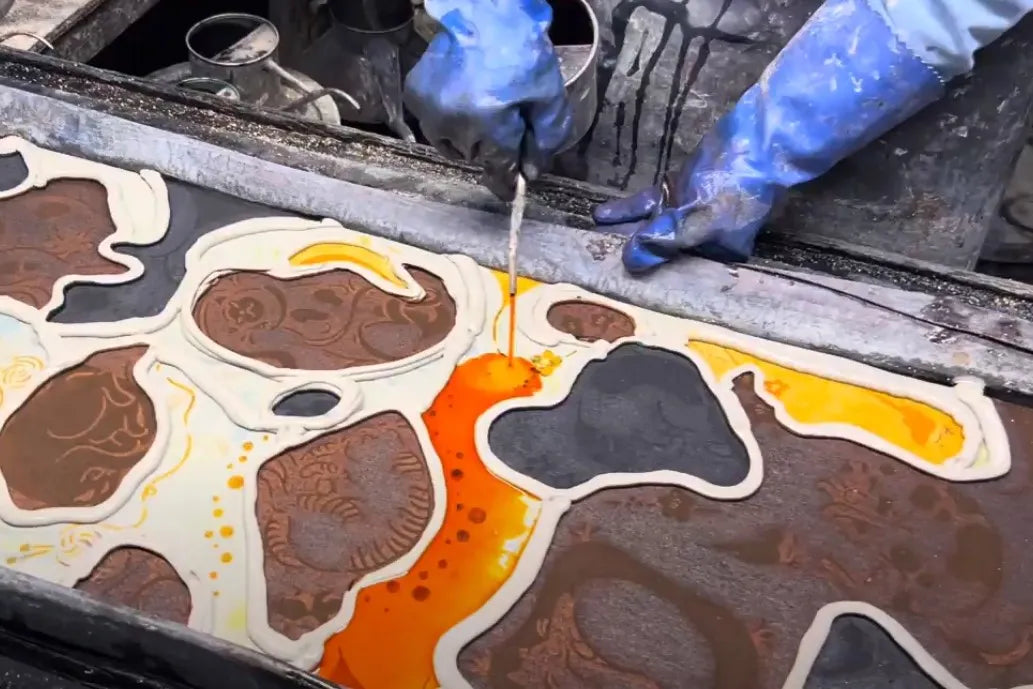
The translucent colors of his acetate pens are especially striking. Acetate pens demand skill and time that machines cannot replace, which is why his work is considered one of a kind. He is particular about every part: the center rings, for example, are always made in Japan, because their gold plating lasts far longer than many imported parts.

How one pen is made
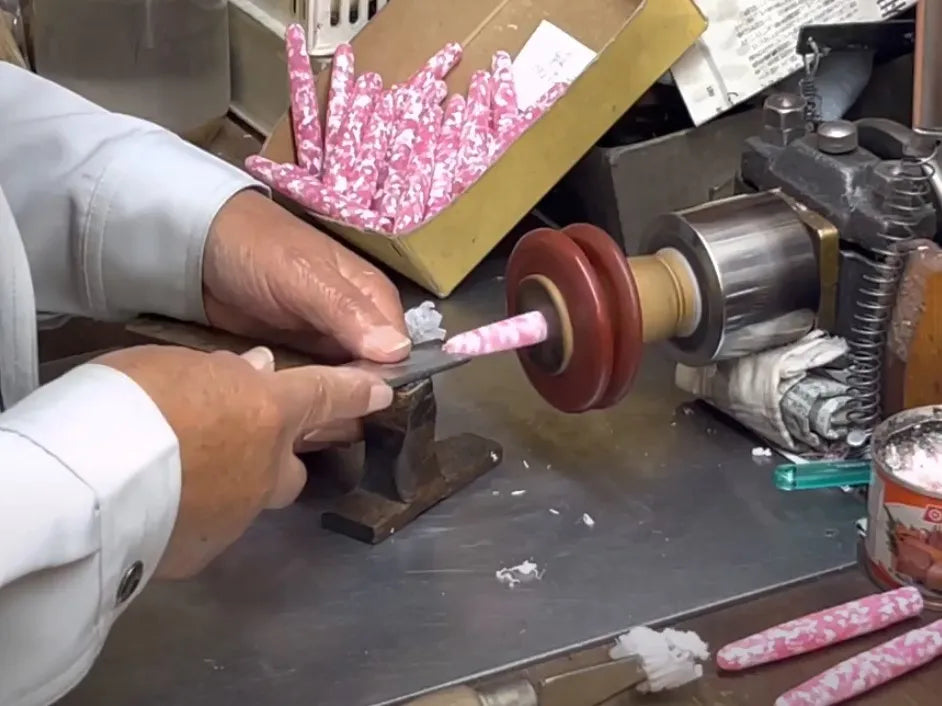
Fountain pens were once made by a chain of specialist workshops. Those workshops are gone, so Mr. Onishi does every step himself:
- Cutting long square rods of material to length.
- Turning them into round bars, carefully setting the machine so they run perfectly straight.
- Drilling the bore, adjusting the machine by eye again and again before it runs.
- Finishing on a foot-pedal lathe, shaping the surface by feel alone, using special blades from a maker that no longer exists.
- Centering the barrel, tapping it with a hammer over and over.
- Threading so the parts screw together perfectly.
- Polishing and assembly, bringing out the shine and fitting the nib and parts.
Many of the tools in his workshop were made by Mr. Onishi himself. And these are only the main steps; there are many more, all done by one man.

A lifelong love of pens
Mr. Onishi smiled throughout our visit. When the news shows a pen given to world leaders, he cannot help looking closely. On the train, he admits with a laugh, he finds himself checking the pens in people's breast pockets. That warmth comes through in every pen he makes. We hope many people get to enjoy the feel of a truly handmade pen. Our thanks to Mr. Onishi for his time.