nucca: Warm Colors from a Hasami Ware Kiln
For about 400 years, Hasami in Nagasaki has been a center of everyday pottery. After a period of decline, its unique ideas and designs have drawn attention again. The town has more than 35 kilns and over 2,000 people in ceramics, and its annual pottery fair attracts more than 300,000 visitors. Among them, Yamashita Toen stands out for its sense of style, and, unusually for a town built on divided labor, it handles everything from forming to painting and firing in-house. We spoke with Mr. Yamashita, the third-generation president.


Making everything in-house means freedom
Yamashita Toen was founded in 1984 by Mr. Yamashita's father, who had worked for a local pottery trading company. "I was in junior high. I still remember the factory rising, bit by bit, on a cleared tangerine orchard. My father was skilled at making unusual forms, like textile and tortoiseshell patterns." At first, in an era of mass production, bodies were made by specialist workshops and the kiln did painting and firing. As demand shifted to many products in small runs, it rebuilt itself to make everything in-house.

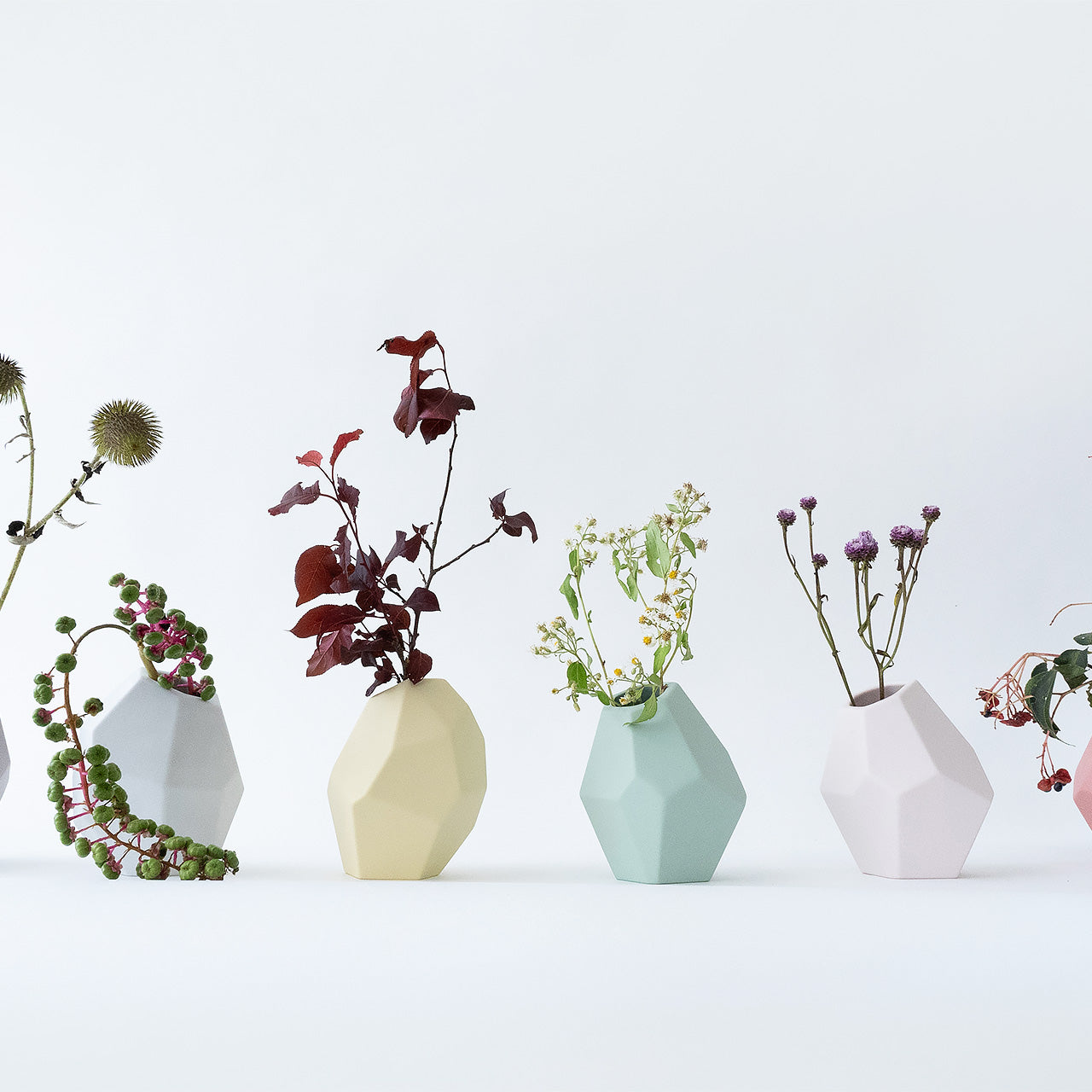
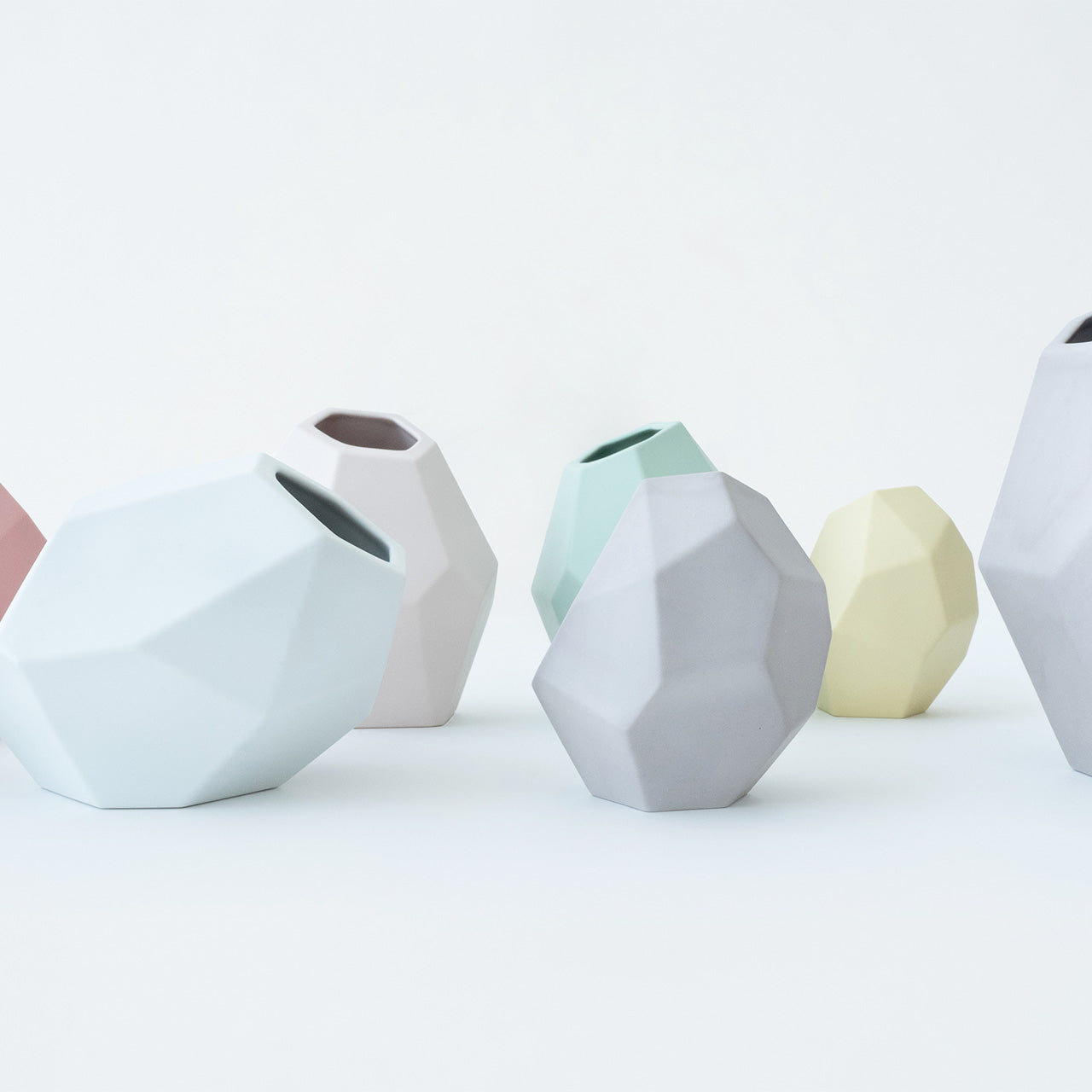
"The biggest advantage is freedom. We can shape raw clay however we like and control color down to the details. We can express exactly the concepts we want to try. Personally, I love touching raw clay; it's like touching the earth, and it clears my mind." That freedom has made the kiln almost like an artist, creating pieces you cannot find anywhere else.

A lifelong love of making
Mr. Yamashita became president at 43, after his father and brother. "In fourth grade, I copied the drawing of an older student sitting next to me at a sketching contest. My picture won a prize and was hung on the wall, and people told me it was great. From then on I loved drawing." He studied design in high school and ceramics at university. "Opening the kiln is still the most exciting part. I wake up early that day, like before a school trip," he laughs.

Creating what doesn't exist yet
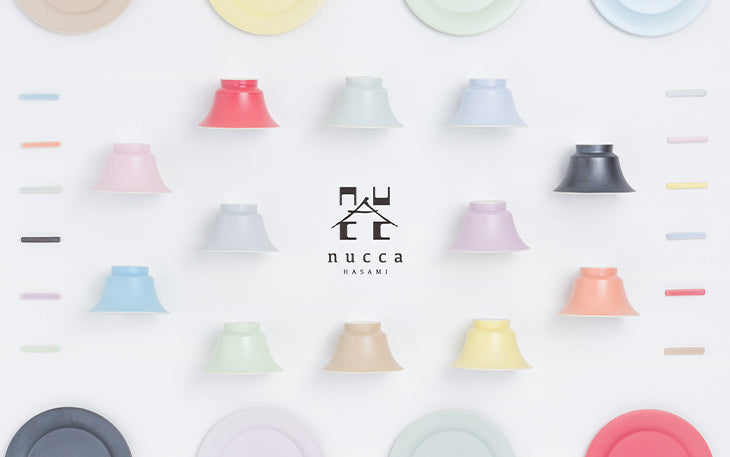
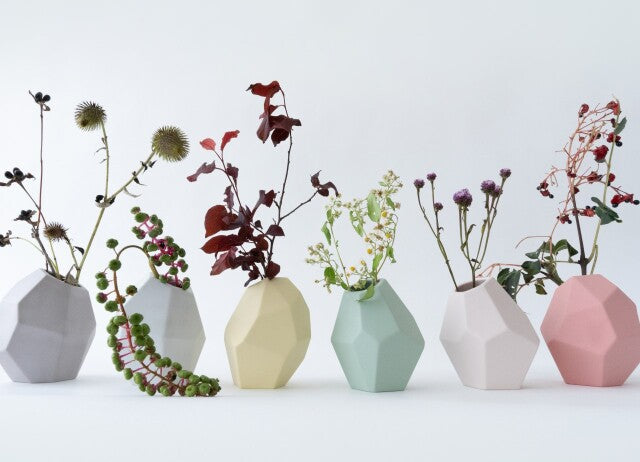
As president, he still designs and develops products, and launched brands to express his ideas. nucca shows off the kiln's in-house strengths. "Most people who buy Hasami ware are from outside the town, so I wanted something that's Hasami ware but speaks of Nagasaki. I wanted it to reach the world, so I put everything into shape and color. The name comes from nukka, Nagasaki dialect for 'warm.'"

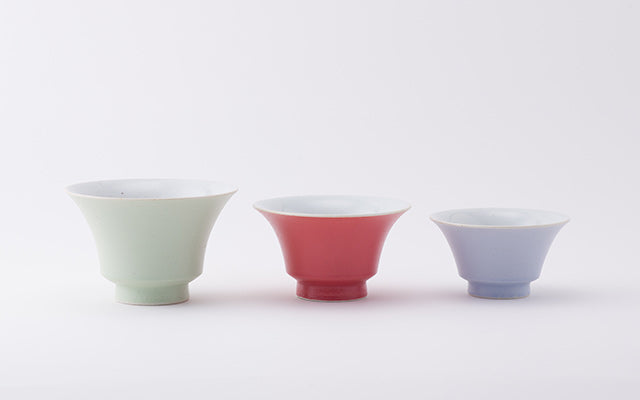
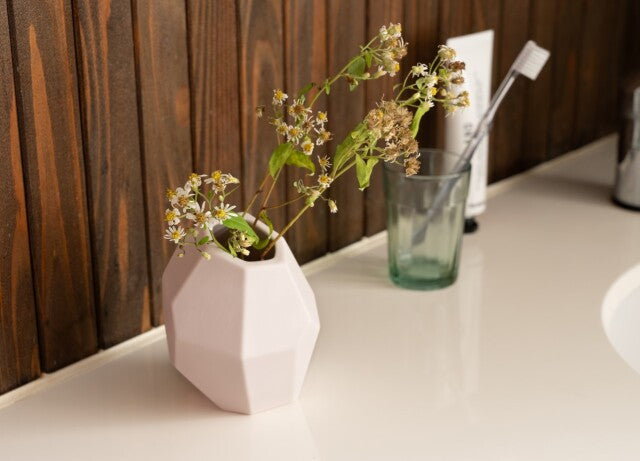
It comes in 12 colors, including soft pastels rare in pottery. Instead of coloring with glaze, the color is kneaded into the clay itself. "I planned about six colors, but it was so much fun that I made twelve. The matte finish looks beautiful from every angle, so I hope people enjoy it as interior pieces too."


He is also developing a teapot after a tea merchant complained that leaves cannot open up in ordinary strainers. "I spent almost all the development time designing the mesh, even though we're a pottery company," he laughs. "The most fun part of making is creating something that doesn't exist yet. Pottery is a tool for trying anything. Hasami ware doesn't have to just carry on its history; what motivates me is how new and interesting we can make it."

Yamashita Toen's future
Craftspeople here are not tied to one step; they work across processes, and anyone can join a design or development project. "If you want to try, use this place to try as much as you like. I want people who love making things to gather here and develop products as if we're playing together."


Hasami ware is now known worldwide, yet its sales and output are declining, and the industry is short of people. "Now that we can't make large quantities, we need to think about how much value each piece can have. We'll keep using our strength, making what doesn't exist yet, and never forget the joy of making." Our thanks to Mr. Yamashita and everyone at Yamashita Toen.